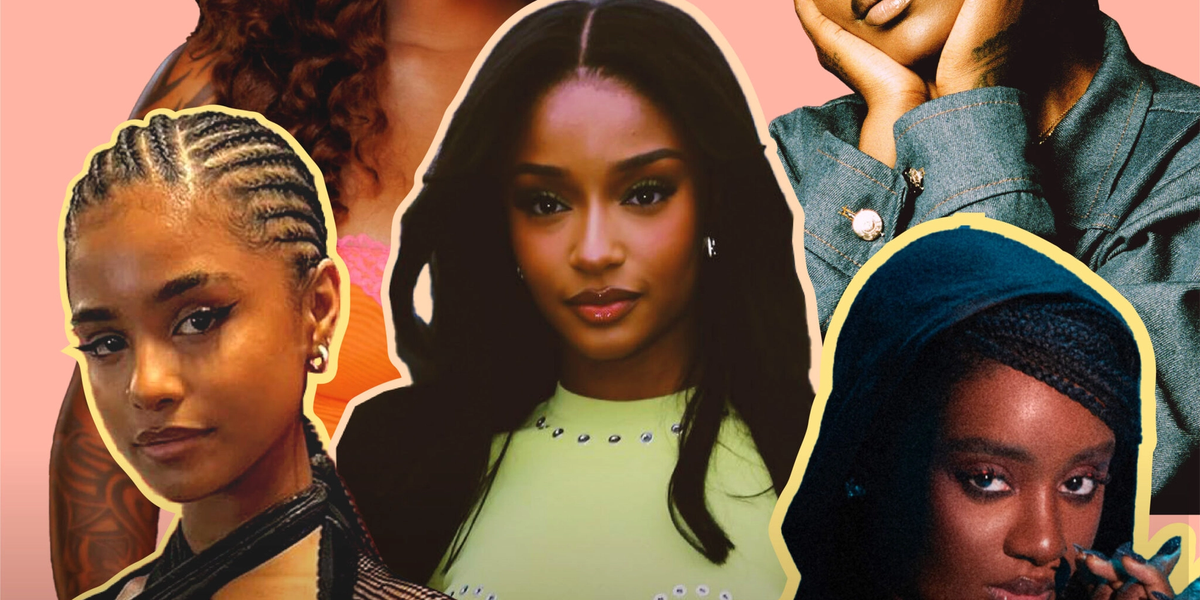
“Women Who Inspired Us” Series: Female Artists

Andy Akinbamini
Click to view profile
African women's entertainment continues to reshape global creative industries through artists who refuse to accept limitations imposed by gender equity media gaps. From Tems becoming the first African-born woman to own an MLS team to Tyla hitting one billion Spotify streams with "Water," female artists demonstrate that talent paired with determination shatters every ceiling.
These achievements matter because they set new standards and inspire generations of young African women to believe their dreams remain achievable despite systemic barriers. Their stories reveal common threads, including resilience against discrimination, commitment to authentic expression, and dedication to uplifting communities beyond individual success.
Tems Redefines What's Possible for African Female Artists
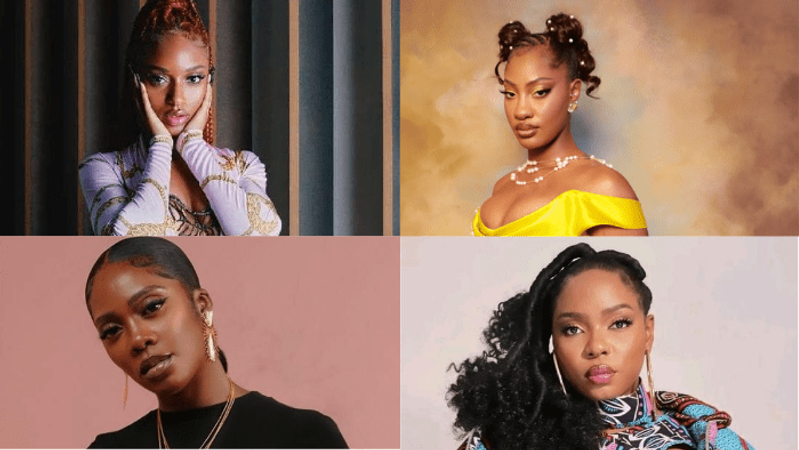
Nigerian singer-songwriter Tems exemplifies how authentic artistry combined with strategic positioning creates unprecedented opportunities for African women's entertainment. She became the first African-born woman to own a Major League Soccer team when she joined San Diego FC's ownership group in February 2025, demonstrating influence extending far beyond music.
Her Grammy wins, including Best Melodic Rap Performance for "Wait For U" and Best African Music Performance for "Love Me JeJe," position her as Nigeria's most Grammy-awarded artist. Tems works closely with the Right to Dream Academy, building opportunities for African children whilst using her platform to challenge industry biases limiting female artists' earning potential and creative control.
Tyla Breaks Streaming Records Whilst Championing Amapiano Globally
South African sensation Tyla made history when "Water" hit 1 billion streams on Spotify, becoming the first solo African artist to reach that milestone. The Grammy-winning anthem for Best African Music Performance demonstrated that Amapiano has crossover appeal on par with Afrobeats' international success.
Her Coachella performances, Met Gala appearances, and high-fashion collaborations introduce African aesthetics to mainstream audiences whilst maintaining cultural authenticity that resonates powerfully with continental and diaspora communities. Tyla's trajectory proves that commercial success and artistic integrity are not opposing forces but complementary elements driving sustainable careers.
Julie Mehretu Commands Record Prices in Global Art Markets
Ethiopian artist Julie Mehretu emerged as the best-selling artist in the African art market when her abstract painting "Mumbaphilia" sold for $5.8 million at Christie's in 2024. Her success reflects broader trends in which female African artists collectively accounted for 52.8 percent of African art sales in 2024, totaling $22 million in value.
Mehretu's large-scale works, combining architectural drawings, historical references, and abstract gestures, challenge conventions whilst provoking thought about identity, migration, and globalisation. Her prominence demonstrates that gender equity in media representation requires celebrating achievements that match or surpass those of her male counterparts rather than merely acknowledging participation.
Practical Strategies for Supporting African Female Artists
Audiences can actively advance gender equity in media by intentionally streaming music, attending exhibitions, purchasing artwork, and amplifying female artists' achievements across social platforms. Every stream, ticket purchase, and social share sends algorithmic signals determining which artists receive promotional support from platforms like Spotify, Apple Music, and YouTube.
Industry professionals must recognise that female artists now command negotiating power requiring fair compensation, creative control, and respectful partnerships. The 2024 BE THE CHANGE study reported 50 percent of women view the music industry as generally discriminatory, while 66 percent of women from marginalised racial communities view it as discriminatory towards race or ethnicity.
Building Sustainable Support Systems for Emerging Female Artists
The achievements of Tems, Tyla, and Mehretu create visibility, inspiring countless young women while demonstrating possibilities previously deemed unrealistic. However, systemic change requires more than celebrating individual success stories; it demands infrastructure that supports emerging talent lacking established platforms and industry connections.
Mentorship programmes connecting established female artists with rising talents guide navigating industries historically designed to exclude women from leadership positions and creative control. Showcase Africa by funding initiatives addressing specific barriers, including inadequate financing, limited technical training, and restricted access to distribution channels that disproportionately impact female creators.
Educational institutions must integrate African women's entertainment history into curricula, ensuring that students understand contributions previously erased from historical narratives. When young people learn about Miriam Makeba becoming the first African artist to win a Grammy in 1966, or Yemi Alade becoming the first female African artist to reach 100 million YouTube views with "Johnny," they contextualise current achievements within longer struggles for recognition.
Celebrate African women's entertainment pioneers who inspire empowerment. Discover how female artists drive gender equity in media through record-breaking achievements and cultural influence.
Visit Our Website to learn more and explore Africa.