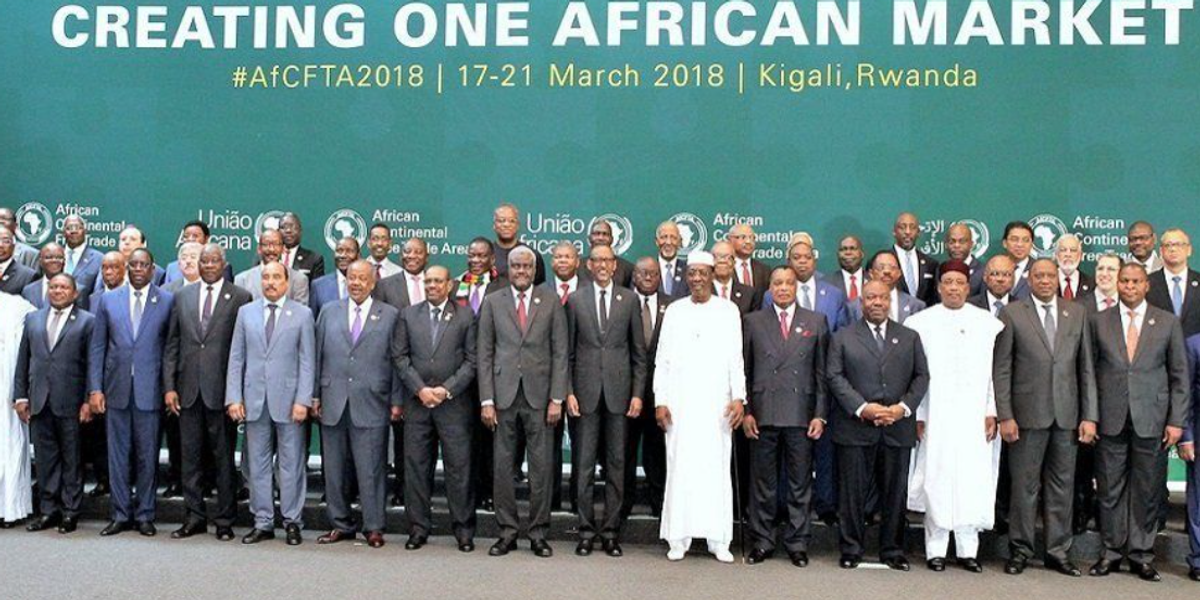
Why Pan-African Collaboration is Key to Unlocking Economic Growth

Andy Akinbamini
Click to view profile
Pan-African collaboration represents one of the most important strategies for unlocking economic growth across the continent. For too long, many African countries have operated separately, limiting their collective bargaining power and reducing opportunities for internal growth. Working together allows African nations to create larger, more attractive markets while sharing resources and knowledge more effectively.
The African Continental Free Trade Area provides a concrete framework for transforming collaboration into tangible economic benefits. This agreement creates opportunities for countries to collaborate in ways that benefit all participants, while building stronger and more resilient economies. The focus is on creating seamless trade relationships where goods, services, and people can move more freely between countries.
African Continental Free Trade Area Drives Integration

Photo credit: MakeMoney.ng/freepik
The AfCFTA creates the world's largest free trade area by connecting over 1.3 billion people across 54 participating countries. By the end of October 2024, 37 different State Parties to the AfCFTA (among the 54 total) have completed implementation procedures, showing a strong commitment to regional integration. The agreement works by significantly reducing tariff and non-tariff barriers that make cross-border trade expensive and complicated. This framework makes it easier and cheaper for businesses to trade with each other, opening new markets and opportunities previously blocked by trade restrictions.
Trade Growth Shows Early Success

Photo credit: jannoon028/freepik
Recent data demonstrates that Pan-African collaboration is already producing measurable economic results through increased trade and commerce. Africa's total trade rose by 13.9% to $1.5 trillion in 2024, with intra-African trade growing by 12.4%, driven by the African Continental Free Trade Area progress. This growth represents a significant improvement over previous years and shows the practical benefits of regional cooperation. The AfCFTA creates a market of 1.3 billion people with a combined gross domestic product of $3.4 trillion, providing enormous opportunities for businesses and investors.
Infrastructure Development Requires Regional Cooperation

Photo credit: pressfoto/freepik
Economic integration creates better opportunities for attracting foreign direct investment by presenting large, unified markets rather than small, fragmented ones. Investors prefer markets that offer the scale needed to justify significant investments in manufacturing, infrastructure, and technology development. The African Development Bank estimates that Africa's annual infrastructure financing needs range between $130 billion and $170 billion, underscoring the need for coordinated regional approaches to address these needs.
Knowledge Sharing Accelerates Innovation

Photo credit: pikisuperstar/freepik
Collaboration extends beyond trade to include sharing ideas, talent, and technical expertise that can benefit all participating countries. When African nations collaborate, they create larger pools of intellectual capital and technical knowledge that individual countries can leverage. This cooperation allows countries to learn from each other's successes and avoid repeating mistakes, making development more efficient and cost-effective. Knowledge transfer in areas like agriculture, healthcare, technology, and renewable energy helps build competitive advantages across the continent.
Manufacturing Sector Benefits From Regional Markets

Photo credit: freepik
Pan-African collaboration enables manufacturing businesses to achieve economies of scale by serving larger regional markets rather than just domestic consumers. The World Bank estimates that by 2035, the AfCFTA could lift 30 million Africans out of extreme poverty and boost the continent's income by $450 billion through increased manufacturing and trade. Regional manufacturing networks allow companies to specialize in different production stages while serving multiple countries efficiently. This approach enables African manufacturers to compete more effectively with imports, while creating jobs and developing industrial capabilities across the continent.
Digital Economy Integration Creates New Opportunities

Photo credit: DC Studio/freepik
Regional collaboration in digital infrastructure and technology services creates opportunities for African countries to build competitive digital economies. Coordinated approaches to internet connectivity, mobile payment systems, and digital services help countries avoid duplicating investments while achieving better coverage. Digital integration allows businesses to serve customers across multiple countries while sharing technology platforms and expertise more efficiently. Countries working together on digital transformation can attract more technology investment while building the skills and infrastructure needed for modern economic growth.
Agricultural Trade Networks Improve Food Security

Photo credit: freepik
Pan-African agricultural cooperation helps countries manage food production and distribution more effectively while reducing dependence on food imports from outside the continent. Regional agricultural networks allow countries with food surpluses to supply those facing shortages, improving overall food security and reducing price volatility. Coordinated agricultural policies and trade relationships help farmers access larger markets while ensuring more stable incomes and production planning. Agricultural collaboration also supports knowledge sharing about farming techniques, crop varieties, and climate adaptation strategies that benefit all participating countries.
Financial System Integration Supports Business Growth

Photo credit: freepik
Regional financial cooperation helps create more efficient banking, payment, and investment systems that support business growth and economic development. Afreximbank plans to increase trade finance to $40 billion by 2026, aiming to close funding gaps and support growing regional trade activities. Coordinated financial systems enable businesses to more easily access credit, make cross-border payments, and manage currency exchanges for regional trade.
Visit Our Website to learn more and explore Africa.