Why January Is Perfect for Exploring African National Parks

Vera Ifechukwu
Click to view profile
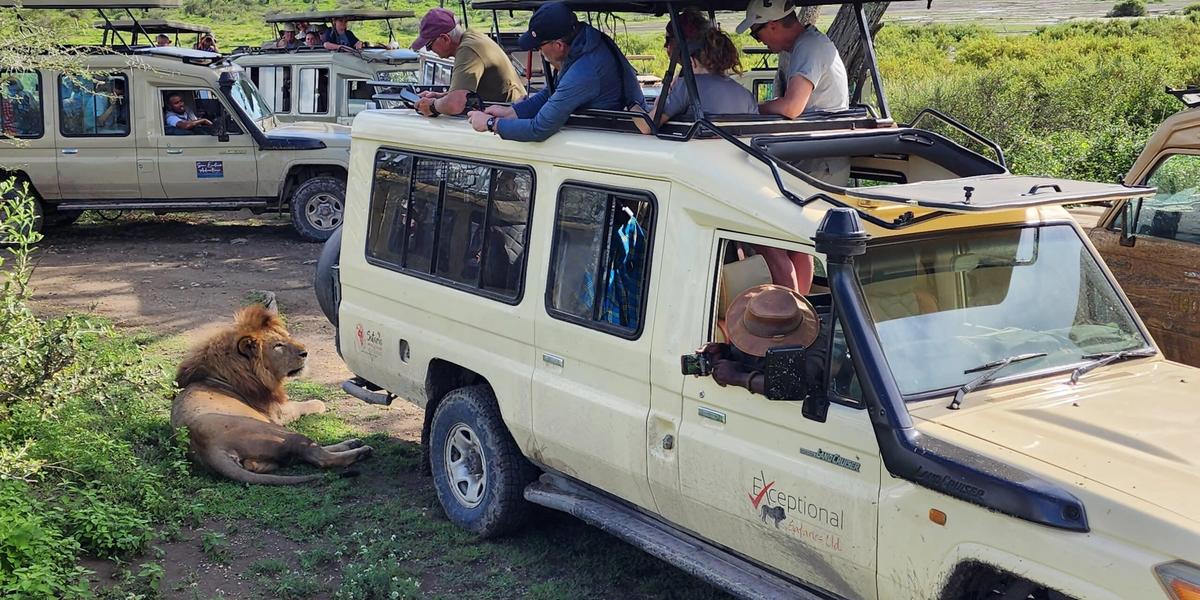
January is a compelling month for safari lovers and nature travellers alike. With many parks enjoying dry or shoulder-season conditions, wildlife congregates around waterholes and grasslands, offering excellent viewing opportunities. January safaris in Africa offer rich wildlife sightings and are often less crowded than in peak months.
This period also offers pleasant weather for exploration, game drives, and other outdoor activities across Africa's national parks. From the towering plains of the Serengeti to the lush forests of East Africa, this guide explains why January is ideal for your next wildlife adventure.
Excellent Wildlife Viewing During Calving and Predator Season
In places like the Serengeti and Ndutu in Tanzania, January marks the beginning of the famed calving season, with thousands of wildebeest and zebra births drawing predators such as lions and cheetahs. This creates dramatic wildlife scenes that are unforgettable and highly photogenic, making it one of the most exciting periods for safari enthusiasts.
Dry and Clear Conditions in East African Parks
Many East African parks experience a break in the wet season during January, with clearer skies and manageable trails for game drives and treks. These conditions are excellent for activities such as gorilla and chimpanzee trekking in Rwanda and Uganda’s national parks, offering both comfort and great wildlife visibility, as well as for photography.
Kenya’s Dry Season Enhances Safari Encounters
January falls within Kenya’s dry season, particularly in parks such as the Masai Mara and Amboseli. Reduced rainfall and thinner vegetation make it easier to spot big cats, elephants, and other wildlife gathered around water sources. Private conservancies also offer exclusive safari experiences with fewer vehicles on the trails, enhancing your connection with nature.
Lush Scenery and Birdwatching Opportunities
January’s green season landscapes can be especially striking, with vibrant foliage and active birdlife across many parks. Birdwatchers and photographers often find this time rewarding, as resident and migratory species are abundant and colourful against the fresh scenery. Such backgrounds add visual richness to any safari itinerary.
Value and Flexibility in Safari Planning
Because January falls outside the busiest peak safari months of June to October, travellers may find better value on accommodations, guided tours, and park permits. With fewer tourists, you often enjoy a more relaxed pace on game drives, more personalised attention from guides, and more availability in sought-after national parks.
Practical Tips for January Park Exploration
Book your safari early to secure ideal lodges or camps, particularly in famed parks like the Serengeti or Masai Mara. Pack breathable clothing for warm days and a light jacket for cooler mornings. Binoculars and a good camera with zoom lenses are essential for capturing wildlife moments. Check park entry requirements and health guidelines before travel to ensure a smooth adventure.
Discover why January is perfect for exploring African national parks, with excellent wildlife sightings, dry season conditions, impressive scenery, and valuable safari tips for your next adventure.
Visit our website for detailed safari itineraries, wildlife viewing forecasts, expert travel tips, and updates on national parks and Africa highlights in January.