
Why is East Africa Becoming a Global Tech Hub? The Inside Story

Andy Akinbamini
Click to view profile
East Africa is rapidly emerging as a global technology hub, with cities such as Nairobi, Kigali, and Kampala at the forefront. Entrepreneurs are launching startups that solve local challenges while drawing international investment, supported by strategic policies and a culture of innovation. This growth is positioning the region as a rising force in the global digital economy.
The transformation began with mobile money platforms like M-Pesa, which proved digital solutions could thrive even on basic phones. That success built trust in technology and inspired innovations across health, agriculture, and education, cementing East Africa’s reputation as a serious player in the tech sector.
Mobile Money Innovation Created Digital Foundation

Photo Credit: wirestock/Freepik
Mobile money platforms revolutionized financial services across East Africa by providing banking solutions to people without traditional bank accounts. Kenya's M-Pesa became the model for digital financial services, demonstrating that secure transactions could be conducted on basic mobile phones rather than requiring expensive smartphones. This innovation laid the foundation for digital trust, enabling other technology services to develop and grow successfully. The success of mobile money demonstrated that locally developed solutions could scale massively while having profound social and economic impacts across the region.
Strong Investment Performance Attracts Global Capital

Photo Credit: studiogstock/Freepik
East African startups are attracting significant international investment that validates the region's potential as a major technology hub. Kenya secured $638 million in startup funding in 2024, representing 29% of Africa's total and 88% of East Africa's share, making it the continent's top destination for tech investment. Kenya's dominance reflects strong investor confidence in the country's regulatory environment, talent pool, and market opportunities. This investment capital enables local startups to scale their operations while attracting more international companies to establish regional headquarters and development centers.
Young Population Drives Innovation And Adoption

Photo Credit: frimufilms/Freepik
East Africa benefits from one of the world's youngest and fastest-growing populations, resulting in a natura6lly tech-savvy workforce that is eager to innovate and adopt new technologies. Universities and coding programs produce steady streams of software developers, engineers, and designers who understand local market needs and opportunities. This demographic advantage means both a large talent pool for technology companies and a growing consumer base for digital services. Young populations are comfortable with mobile technology and digital services, making them ideal markets for testing and scaling innovations.
Government Policies Support Technology Development

Photo Credit: DC Studio/Freepik
Regional governments are increasingly recognizing technology as essential for economic growth and implementing supportive policies to attract investment and foster innovation. Rwanda positions itself as a tech-forward nation through investments in digital infrastructure and streamlined regulations that facilitate easier company operations. Kenya supports initiatives such as innovation hubs and technology parks, designed to attract major international companies while fostering local startups. These supportive policy environments provide stability and frameworks that allow technology businesses to scale with confidence while attracting foreign direct investment.
Local Problem Solving Creates Competitive Advantages

Photo Credit: Health Magazine
The most successful East African technology companies focus on solving specific local challenges rather than copying solutions from other markets. Companies like Twiga Foods use mobile platforms to connect smallholder farmers directly with vendors, streamlining agricultural supply chains that serve millions of people. Local companies have a deeper understanding of specific market needs, regulatory environments, and cultural factors that international companies often struggle to navigate effectively. This deep local knowledge creates competitive advantages that are difficult for outside companies to replicate, making East African startups uniquely positioned for long-term success.
Fintech Sector Continues Leading Investment

Photo Credit: rawpixel.com
Financial technology remains the dominant sector for startup funding across East Africa, building on the region's strong foundation in mobile money. Africa’s fintech funding has been heavily concentrated in the "Big Four" countries: Nigeria, South Africa, Egypt, and Kenya. Between 2021 and 2023, these four nations accounted for 77% of fintech companies and over 90% of funding. Digital banking, payment platforms, and lending solutions continue to attract major investments as companies expand their services to underserved populations. T
Agricultural Technology Gains Investment Momentum
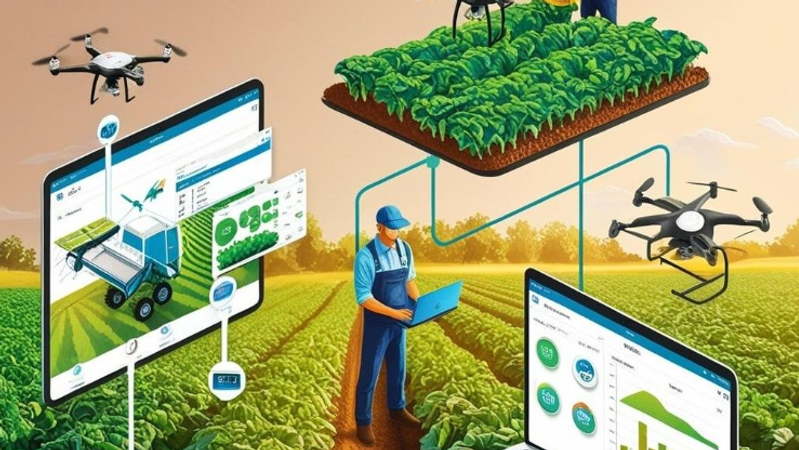
Photo Credit: Agriculture Novel/Pinterest
East African agricultural technology companies are attracting significant investment by developing solutions for the region's large farming sector. African agrifoodtech startups received $192 million in funding in 2024, developing solutions that connect farmers to markets and provide access to affordable inputs. Companies utilize artificial intelligence, mobile platforms, and data analytics to help farmers enhance productivity while minimizing costs and risks. Agricultural technology investments support food security while creating new economic opportunities for rural communities across the region.
Regional Integration Supports Market Expansion

Photo Credit: Freepik
East African companies benefit from growing regional economic integration that creates larger markets and reduces barriers to cross-border business expansion. Regional trade agreements and improved infrastructure enable technology companies to serve multiple countries from a single location, thereby achieving economies of scale. Cross-border payment systems and harmonized regulations make it easier for companies to expand across East Africa rather than limiting operations to a single country. Regional integration creates opportunities for companies to grow faster while attracting investors who prefer accessing multiple markets through unified operations.
Visit Our Website to learn more and explore Africa.