Why African Proverbs Still Matter in Modern Society

Andy Akinbamini
Click to view profile
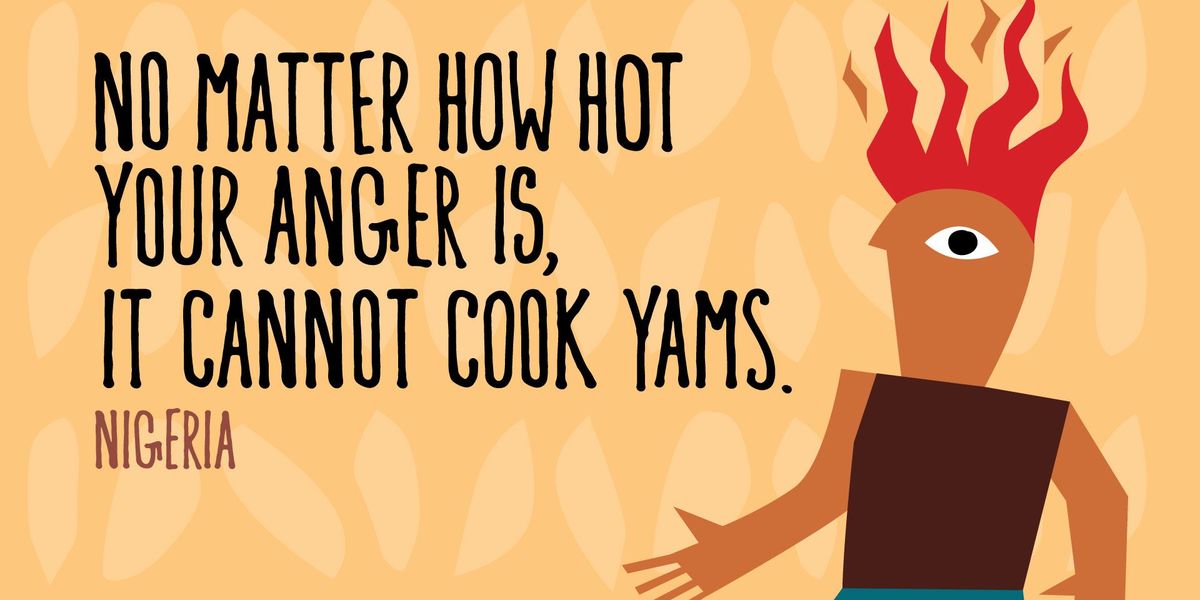
African proverbs have served as vehicles of cultural transmission for centuries, offering wisdom that transcends time and borders. These concise sayings, deeply rooted in the continent's diverse cultures, continue to shape how communities communicate values, resolve conflicts, and pass knowledge across generations.
In today's fast-paced digital world, the meaning of African proverbs remains as powerful as ever, providing guidance that speaks to universal human experiences.
African wisdom culture goes beyond catchy phrases and motivational quotes. It embodies a sophisticated system of education, moral guidance, and community building that has survived colonialism, modernisation, and technological advancement.
Bridging Generations Through Timeless Wisdom
African proverbs serve as bridges between the past, present, and future. Dr Kwame Amoako, a respected linguist and cultural scholar, explains that proverbs serve as moral compasses guiding individuals and communities.
Young people grappling with modern complexities find that these sayings offer valuable lessons rooted in cultural heritage, fostering a sense of belonging while preserving ancestral knowledge.
Adapting Ancient Sayings to Digital Platforms
Social media has revolutionised how African proverbs reach audiences worldwide. Platforms such as Instagram, Facebook, and Twitter now widely share quotes and proverbs, ensuring that these timeless sayings remain accessible to younger generations.
This digital adaptation demonstrates the remarkable ability of African wisdom culture to evolve without losing its core essence, making ancient teachings relevant for tech-savvy millennials and Gen Z.
Resolving Conflicts with Inherited Wisdom
In many African communities, elders continue using proverbs to mediate disputes and promote understanding. These sayings provide neutral ground for expressing viewpoints during discussions or negotiations, often diffusing tension through their inherent wisdom.
The practice demonstrates that traditional conflict-resolution methods remain effective in contemporary contexts, offering alternatives to adversarial approaches that predominate in Western legal systems.
Providing Updates on Educational Integration Trends
Educators are increasingly incorporating African proverbs into teaching materials to promote ethical behaviour and cultural awareness. Current trends show that programmes including these sayings encourage students to think critically and apply traditional wisdom to solve modern problems.
Teachers regularly use proverbs in lesson plans, with one educator sharing sayings such as "He who knows does not die like he who does not know" to teach students about the protective power of knowledge.
Inspiring Personal Growth and Professional Success
African proverbs continue to offer guidance for personal development and career advancement. Saying such as "Wisdom does not come overnight" reminds people that patience and persistence are essential for achieving goals.
In an age of instant gratification, such wisdom encourages individuals to focus on long-term growth rather than seeking immediate rewards, providing a perspective that counters modern society's rush mentality.
Preserving Cultural Identity in Globalised Spaces
Despite the challenges of modernisation, African proverbs remain vital to preserving cultural identity. They remind people of their roots and shared values, maintaining connections to heritage even as communities become increasingly globalised.
The enduring relevance of these sayings underscores their importance in helping individuals navigate the tension between traditional values and contemporary lifestyles, ensuring cultural continuity for future generations.
Discover why African proverbs' meaning and African wisdom culture remain relevant today. Explore how ancestral sayings guide modern society through conflict resolution, education, and personal growth across digital platforms
Visit our website for insights, creator stories, and trends shaping Africa.