Why African Languages Hold the Key to Cultural Preservation

Vera Ifechukwu
Click to view profile
African languages are more than communication tools. They carry histories, values, traditions and ways of thinking that shape identity. For many communities across the continent, language links generations, connecting children with ancestral wisdom and cultural memory.
As globalisation and urbanization grow, the pressure on indigenous languages increases. But preserving and reviving these tongues offers a foundation for cultural pride and continuity. Embracing African languages can help safeguard heritage for future generations.
Linguistic Diversity as a Cultural Treasure
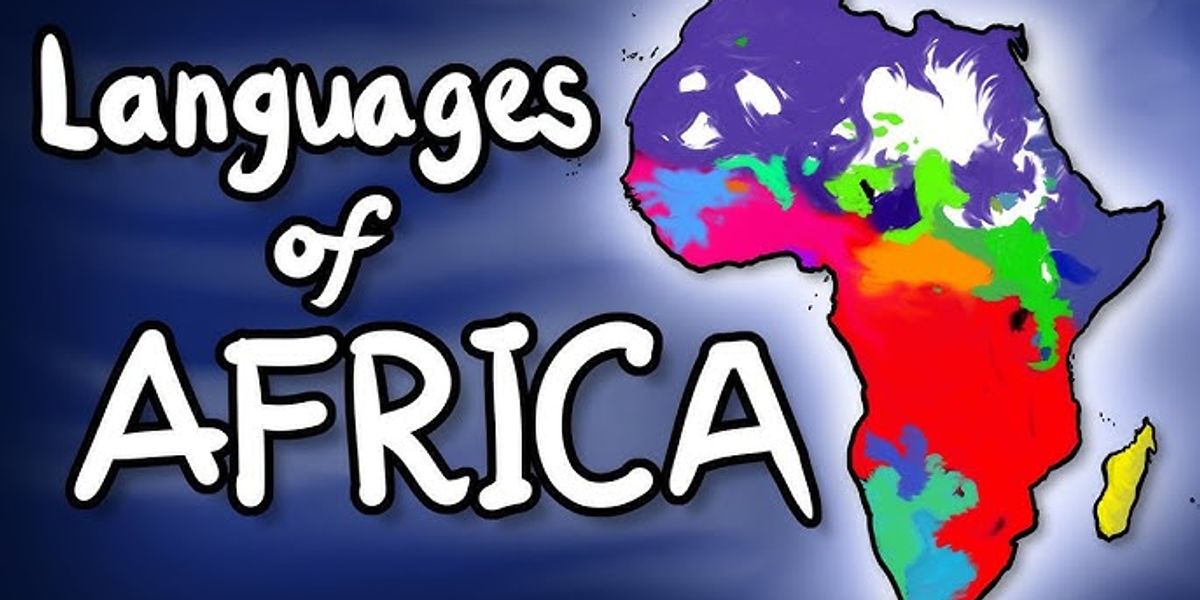
Africa hosts between 1,500 and 3,000 languages according to recent estimates, making it a global centre of linguistic richness. Each language represents unique traditions, oral stories, local philosophies and community memory. This linguistic diversity is a critical component of cultural identity and heritage on the continent.
The Crisis of Language Endangerment and Loss
Sadly, many African languages are under threat. UNESCO’s data reveals that up to 10 per cent of languages on the continent may disappear within the next hundred years. When a language vanishes, so does the history, worldview and intangible heritage it carries.
Language and Cultural Transmission Through Education
Research shows that children taught in their mother tongue are more likely to grasp reading and comprehension skills by the end of primary school compared with those taught in a foreign language. Using indigenous languages in education and daily life supports cultural transmission and strengthens identity from a young age.
Indigenous Languages Aid Social Cohesion and Community Identity
Language unites communities. When people share a common tongue, they preserve local proverbs, folklore, traditional songs and collective history. This shared linguistic heritage creates social cohesion and helps maintain a sense of belonging.
Digital Tools and Media as Modern Guardians of Languages
New initiatives are using technology to record, digitise and promote indigenous languages. Projects including language-specific media, dictionaries and online content are helping to revitalise tongues that were fading. Promoting such efforts can help preserve languages for future generations.
Practical Steps to Support Indigenous Language Preservation
Encourage use of local languages at home, in community gatherings or storytelling sessions. Support educational programmes that include mother-tongue learning. Promote media content; music, films, literature, in indigenous languages. Document languages through recordings, writing and digital projects to help safeguard heritage.
Discover why African languages are vital for cultural preservation. Learn how indigenous language preservation supports heritage, identity and community continuity across the continent.
Visit our website for more.