Why African Animation Studios Are Gaining Global Attention

Andy Akinbamini
Click to view profile
African animation has transformed from overlooked regional content into a billion-dollar industry commanding partnerships with Disney, Netflix, and Cartoon Network. Studios across the continent now deliver world-class productions that blend rich cultural narratives with technical excellence rivaling those of established animation markets.
The global attention African animation receives validates what continental audiences always knew: that African stories told through animation resonate powerfully and deserve premium platforms. This article explores the factors, achievements, and strategies defining African animation's remarkable ascent.
Market Growth Reflects Rising Investment and Demand
Photo credit: Sya/Pinterest
The African animation market reached $14.52 billion in 2024 and is projected to grow to $29.51 billion by 2033 at an 8.20% CAGR. This expansion stems from multiple factors, including localised narratives gaining international recognition, streaming platforms commissioning African content, and mobile internet penetration enabling broader access.
The services segment held 65.3% market share in 2024, reflecting the project-based nature of animation production, where studios generate income through commissioned content for entertainment, advertising, and educational sectors.
Streaming Platforms Champion African Storytelling
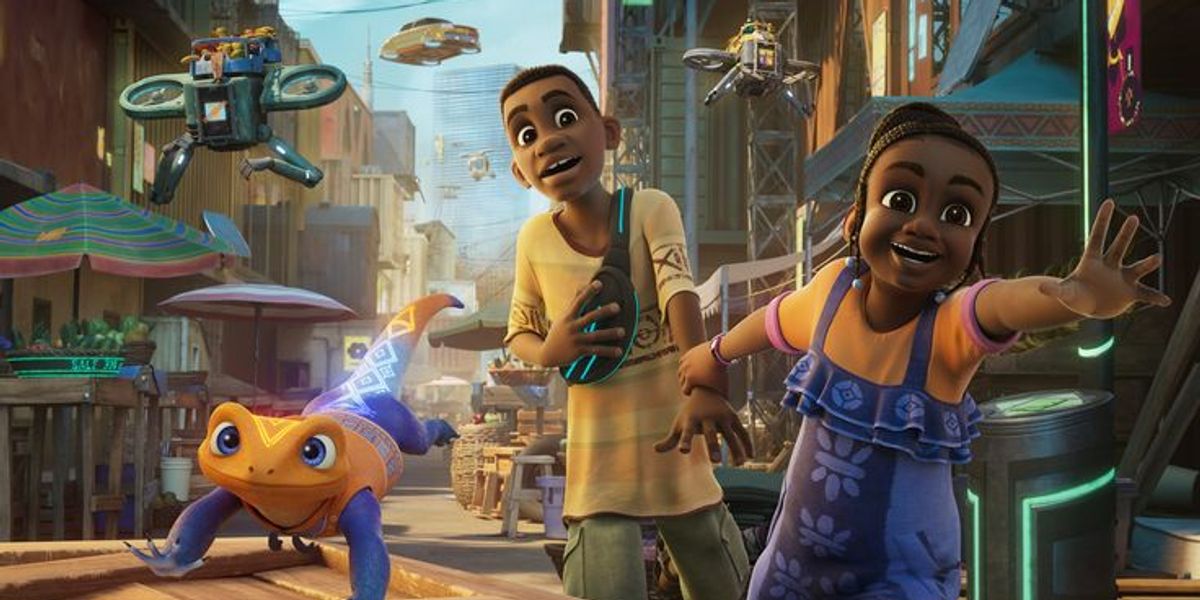
Companies like Cartoon Network, Netflix, and Disney+ collaborate with local African creators to produce original stories, including Garbage Boy and Trash Can, Supa Team 4, and Iwájú.
These partnerships foster authentic African storytelling and provide studios with financing, distribution, and global audiences previously inaccessible. Fatboy Animations founder Andrew Muthiga, who established his Kenyan studio in 2010, initially struggled to convince companies of animation's business impact.
South African Studios Lead Continental Production Excellence
South Africa's animation industry projects 7.5% annual growth, driven by rising investments in creative content and global demand for high-quality productions. Triggerfish Animation Studios pioneered high-quality, continent-rooted content with global appeal through productions like Kizazi Moto: Generation Fire.
The studio expanded its training arm, Triggerfish Academy, launching mentorship programmes across Nigeria, Kenya, and Rwanda to nurture emerging talent.
Technological Accessibility Democratises Animation Production
The rise of affordable internet access and mobile technology allows African animators to create, distribute, and monetise content digitally, reducing reliance on traditional networks. Cloud-based animation tools and subscription-model software like Adobe Creative Cloud and Toon Boom reduce upfront costs and make professional-grade tools accessible.
3D computer animation is projected to record a 13.6% CAGR from 2025 to 2033, driven by demand for high-impact visuals in advertising, gaming, and international co-productions.
Intellectual Property Retention Builds Sustainable Business Models
African studios increasingly prioritise retaining intellectual property rights rather than surrendering ownership to international corporations for distribution access. Rams Comics' business model leverages its ample client distribution power through licensing fees while retaining IP rights.
Cabblow Studios, led by a mother-daughter team, subverted traditional marketing by selling merchandise and creating social media presence before their show aired, securing funding and ensuring ownership.
Practical Strategies for Aspiring African Animators
Emerging animators should invest in skill development through online courses, workshops, and formal training programmes such as Wits University's Mollo Animation Academy, which offers 11-month paid internships.
Build portfolios showcasing diverse styles and technical capabilities that demonstrate versatility to potential clients and collaborators. Leverage social media platforms strategically.
Challenges Requiring Industry-Wide Solutions
Despite impressive growth, African animation faces persistent challenges, including limited funding, skills shortages, weak distribution networks, and inadequate intellectual property protection.
Securing financing remains difficult as many animators rely on self-funding, small grants, or limited government support rather than substantial production budgets common in Western markets. Formal animation education programmes remain scarce, leading to skills gaps and heavy reliance on self-taught artists or online courses.
Discover why African animation gains global attention. Learn how cartoon studios Africa innovate with authentic storytelling and showcase innovation in entertainment.
Visit our website for more updates.