When Africa Found Its Voice: The Legacy of Fela and Afrobeat

Titilayo Ifeoluwa
Click to view profile
When Africa Found Its Voice: The Legacy of Fela and Afrobeat
On a hot Lagos night in the 1970s, the streets outside The Shrine pulsed with anticipation. Inside, the air was thick with smoke, sweat, and the hypnotic rhythm of drums. Then came the saxophone, sharp, urgent, unapologetic. On stage stood Fela Anikulapo Kuti, barefoot, defiant, his voice rising above the music with a message that echoed across Africa: “Music is the weapon.”
Fela wasn’t just playing for entertainment; he was playing for survival, for freedom, for Africa. His creation, Afrobeat, was more than a genre; it was a movement. Let's take a look at how it all originated.
The Birth of Afrobeat
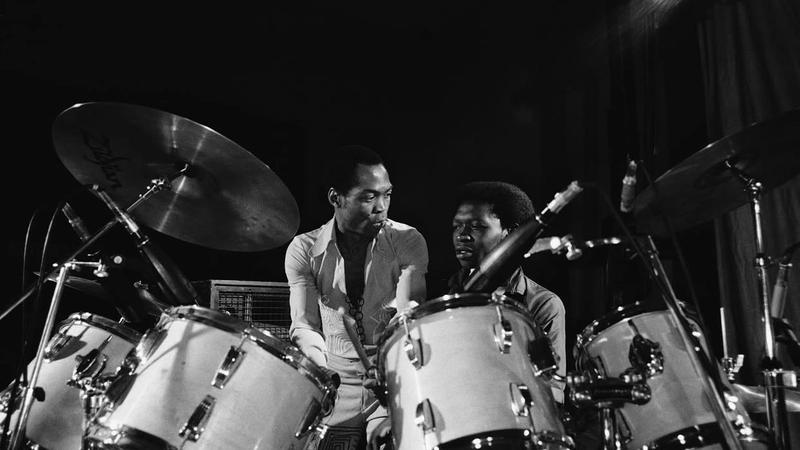
Every revolution needs both a voice and a heartbeat. Before Afrobeat, there was highlife, jazz, and funk. Fela absorbed all of them during his travels, but he wanted a sound that was unapologetically African. For Afrobeat, Fela Anikulapo-Kuti was the voice, bold, political, unrelenting, and Tony Allen was the heartbeat. His drumming was an engine that drove the music forward, sharp and hypnotic, like a language of its own.
Fela the Activist
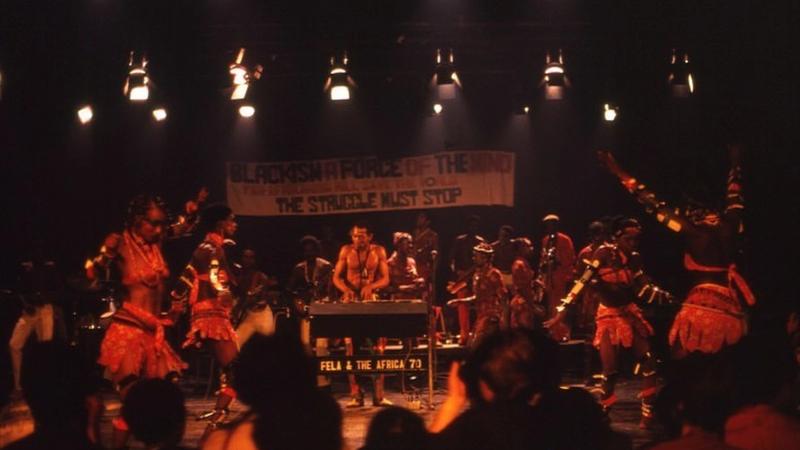
Fela wasn’t content with just making music people could dance to, he wanted to challenge the system. His songs spoke boldly against corruption, military rule, and the suffering of ordinary Nigerians. Tracks like Zombie, Coffin for Head of State, and Sorrow, Tears and Blood were more than music; they were direct attacks on those in power.
A Cultural Icon
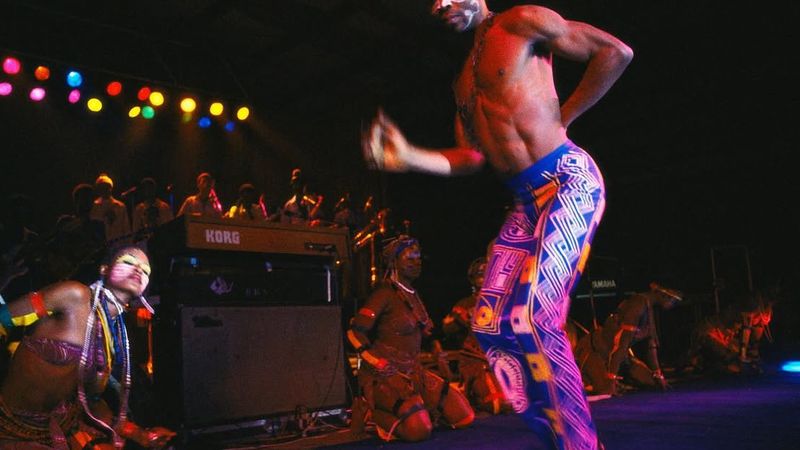
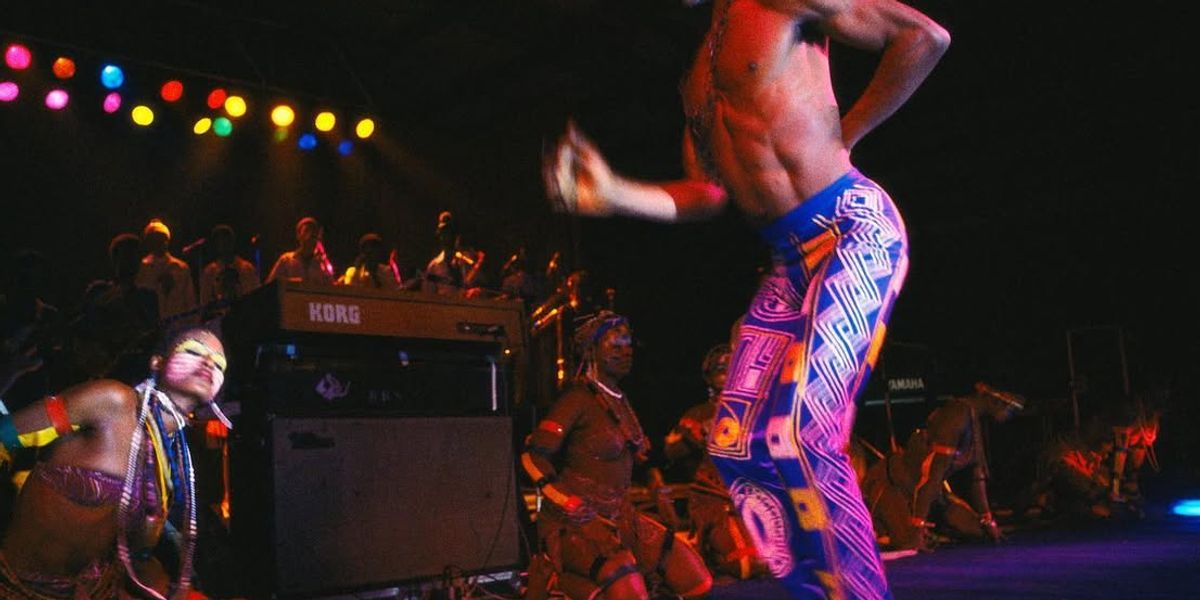
Beyond the music, Fela lived as he played: boldly, fearlessly, and unconventionally. His fashion - flamboyant Ankara prints, beads, and body paint was a statement of African pride. His Shrine wasn’t just a club; it was a community, a spiritual home where music, politics, and culture collided. Even his lifestyle, controversial as it was, was a rejection of Western expectations. All of this made Fela larger than life.
Why Fela Still Matters
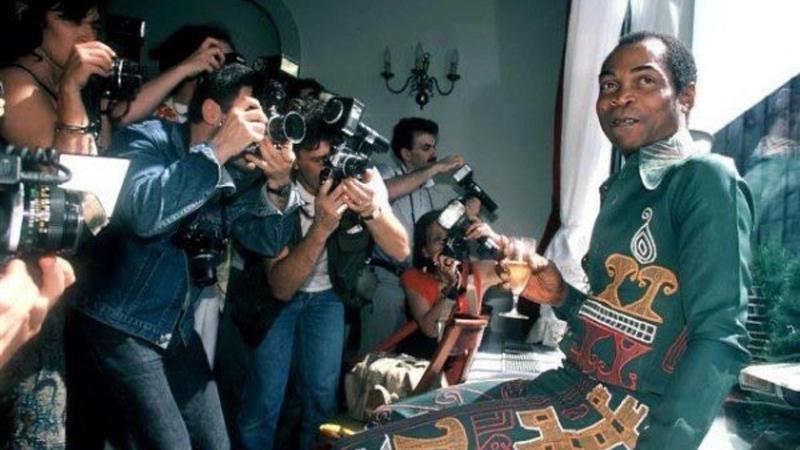
Twenty-five years on, Fela’s voice is still alive. His lyrics on corruption, freedom, and inequality remain strikingly relevant, and his fearless creativity continues to inspire musicians, activists, and everyday Africans who refuse to stay silent. Each October, Felabration turns Lagos into a global gathering, proving Fela is not just history but living culture. He gave Africa more than music; he gave it a voice that challenged power, celebrated identity, and sparked generations.
Afrobeat as Pan-African Consciousness
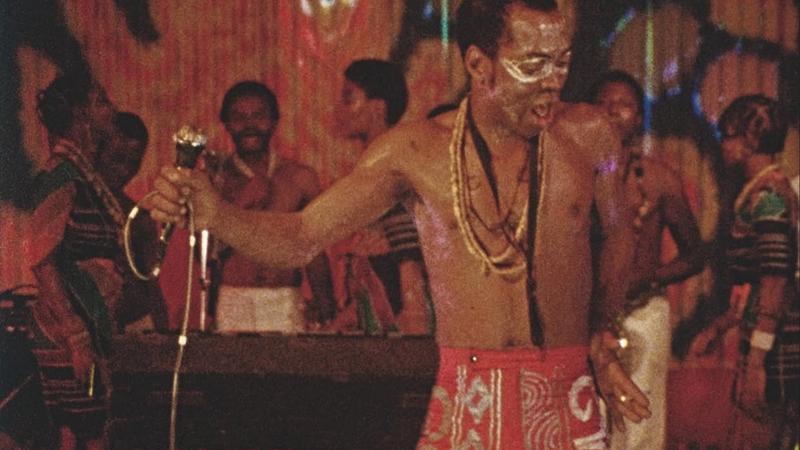
For Fela, Afrobeat was never just Nigerian; it was African. His music carried the weight of an entire continent’s struggle against colonial legacies and neo-colonial influence. He believed that true liberation could only come when Africans freed themselves not just politically, but mentally and culturally.
Legacy: From Afrobeat to Afrobeats
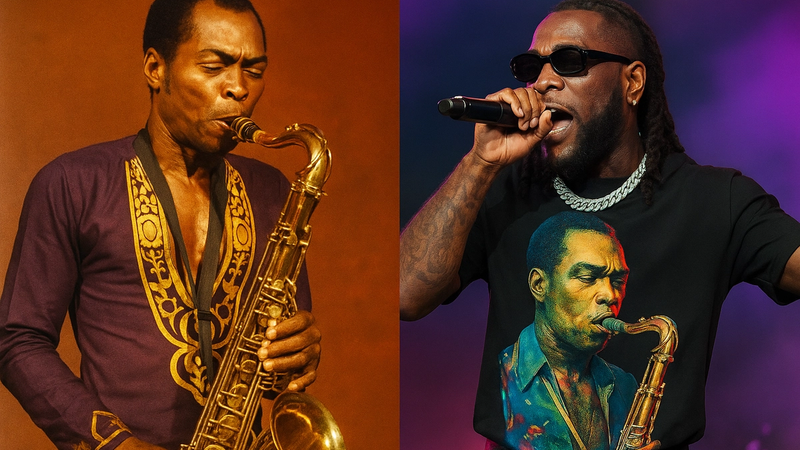
Fela’s legacy echoes across generations. His children, Femi and Seun Kuti, carry the Afrobeat torch, while contemporary stars like Burna Boy, Wizkid, Davido, and Tems fuse Afrobeat’s defiance with new sounds, creating today’s “Afrobeats.”
Burna Boy often calls himself Fela’s “musical grandson,” and his success shows just how far the legacy has traveled. Afrobeats is no longer just a Nigerian sound—it’s a global force. Between 2017 and 2022, streams on Spotify increased by more than 550%, with Nigerian artists now headlining festivals worldwide. This global rise is part of Fela’s enduring gift to the African music industry.
Call to Action
Fela fought for African identity through sound. Today, it’s our turn—support African art, wear African fashion, and carry our culture with pride
Want industry insights, event updates, and talent showcases?
Call: (+234)806 496 8725 Visit;
https://www.showcaseafricaonline.com/posts