
Virtual Reality Films: African Directors Experimenting with 360° Storytelling

Titilayo Ifeoluwa
Click to view profile
African cinema has always been rooted in storytelling, whether through folklore, stage plays, or the booming Nollywood industry. Today, a new chapter is unfolding as directors experiment with Virtual Reality (VR) films, creating immersive experiences that place viewers at the heart of the story. Unlike traditional film, where the audience watches passively, VR allows them to explore environments, shift perspectives, and feel part of the narrative.
This innovation marks an exciting step for African filmmakers who are utilizing VR to push boundaries, challenge conventions, and offer global audiences a fresh perspective on African stories. From capturing bustling Lagos streets in 360° to recreating pre-colonial kingdoms, VR is transforming how stories are told and consumed across the continent.
A New Language of Storytelling

Photo Credit: tooblacky / Pinterest
VR offers more than visual spectacle; it changes the very grammar of storytelling. Instead of linear narratives, directors guide viewers through spaces where sound, movement, and perspective matter just as much as dialogue. For African filmmakers, this is an opportunity to reimagine oral traditions where stories were immersive and participatory and bring them into the digital age.
African Pioneers in VR Cinema
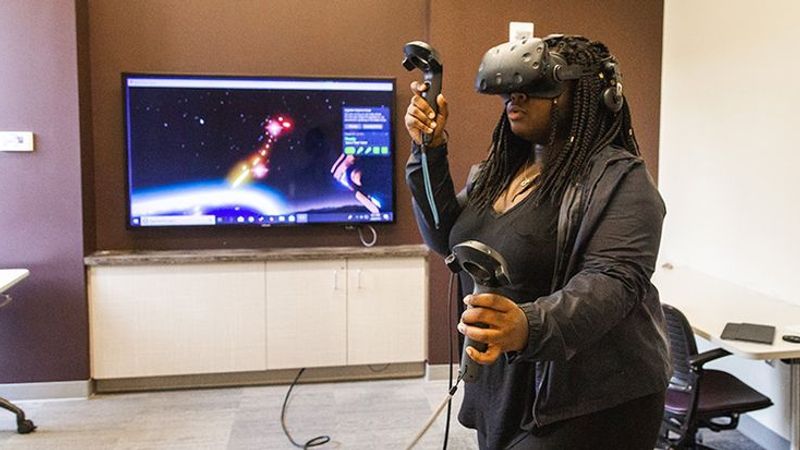
Photo Credit: Business Elite Africa / Pinterest
Several African directors have already begun embracing VR. For instance, The Nest Collective in Kenya created Let This Be a Warning, a VR sci-fi experience that challenges stereotypes about African futures. Similarly, Nigerian and South African filmmakers are experimenting with VR to capture traditional festivals, urban youth culture, and even historical re-enactments. These projects are introducing African audiences to new possibilities while gaining recognition at international film festivals.
Accessibility and Challenges
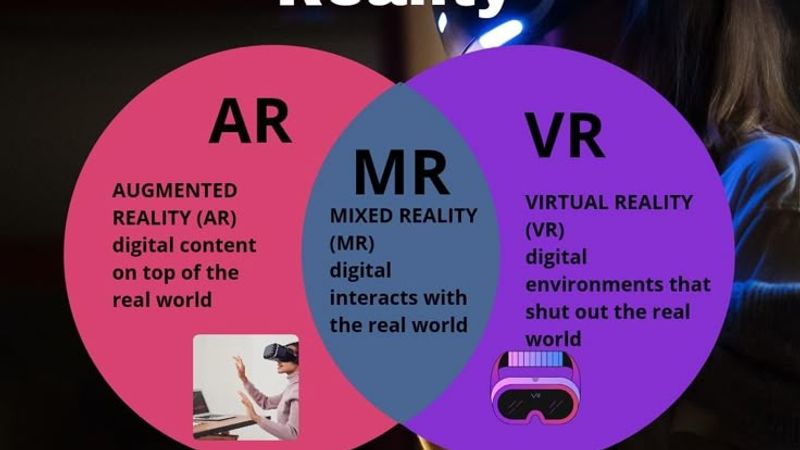
Photo Credit: Pinterest
While VR filmmaking in Africa is exciting, access remains a challenge due to the high cost of headsets and production tools. Yet, this barrier is slowly being addressed as the market grows. For instance, the AR & VR market in Africa is projected to reach US$459.7 million by 2025, showing that demand and investment are steadily rising.
VR as a Tool for Cultural Preservation
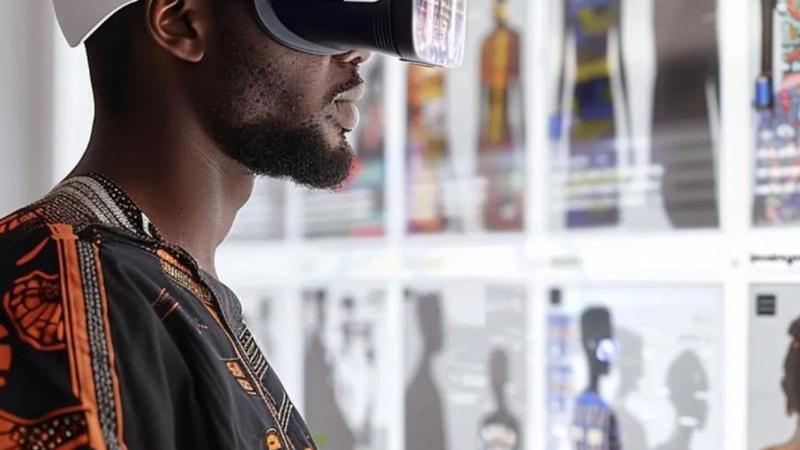
Photo Credit: Jopiter studio/ Pinterest
Beyond entertainment, VR has the potential to serve as a digital archive of African heritage. Imagine being able to stand in a Yoruba masquerade festival, witness a Zulu dance, or explore Timbuktu’s historic manuscripts in 360-degree virtual reality. By documenting traditions in immersive formats, African filmmakers can preserve cultural practices for future generations while sharing them with a global audience.
Breaking Boundaries with Technology
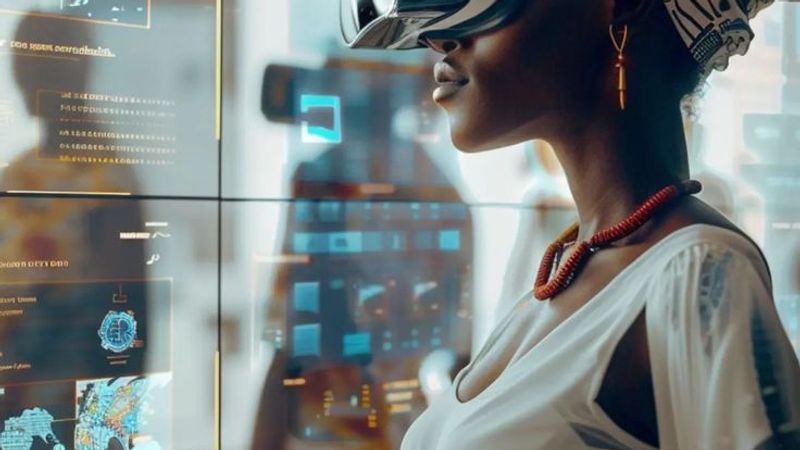
Photo Credit: Jopiter studio / Pinterest
African filmmakers experimenting with VR are using 360° storytelling to capture experiences that traditional film cannot. Whether it’s immersing viewers in bustling markets, sacred ceremonies, or war-torn villages, VR allows stories to be felt rather than just seen. Directors like Thecla Mutia in Kenya and Nigeria’s Joel Kachi Benson are leading the way with works that bridge heritage and innovation.
Global Recognition of African VR Stories
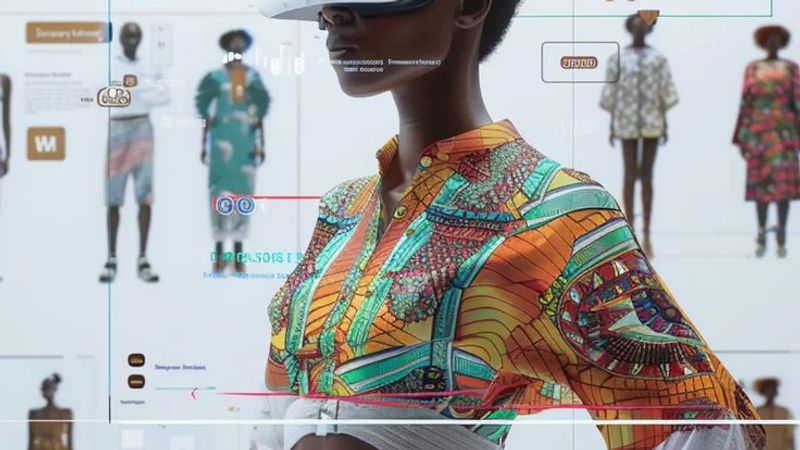
Photo Credit: Jopiter Studio / Pinterest
Some African VR projects have already gained international acclaim. Joel Kachi Benson’s Daughters of Chibok won the Best VR Story at the 2019 Venice International Film Festival, proving that African VR films can resonate with global audiences. Such recognition paves the way for more African creators to use VR as a tool to tell stories often overlooked by mainstream cinema.
The Future of 360° Storytelling

Photo Credit: Kostas/ Pinterest
As internet connectivity improves and audiences become more curious about immersive experiences, VR films are poised to grow beyond niche circles. In South Africa alone, the immersive VR market was valued at US$155.9 million in 2024 and is expected to reach US$689.0 million by 2030, reflecting the potential of 360° storytelling on the continent.
Visit Our Website to learn and explore more insights into African entertainment.