Understanding African Spirituality: Beliefs, Rituals & Practices

Vera Ifechukwu
Click to view profile
Across Africa, spirituality weaves together beliefs, rituals, and a sense of connection that go beyond the material world. These practices offer communities meaning, structure, and a link to ancestry. African spirituality remains a living, evolving reality for many.
In a world of rapid change and global pressures, these beliefs offer grounding and a sense of identity. They shape values, social bonds, and relationships with nature. Exploring them helps us appreciate the depth and diversity of African belief systems.
Core Beliefs and Divine Order
Many African spiritual traditions share a belief in a supreme creator alongside secondary spirits, ancestors, or intermediaries who influence daily life. For instance, among the Yoruba, the supreme creator is acknowledged, but people more commonly appeal to orisha spirits for guidance and aid. This layered cosmology helps shape moral order, community norms, and the spiritual identity of individuals across generations.
Ancestral Veneration and Communal Memory
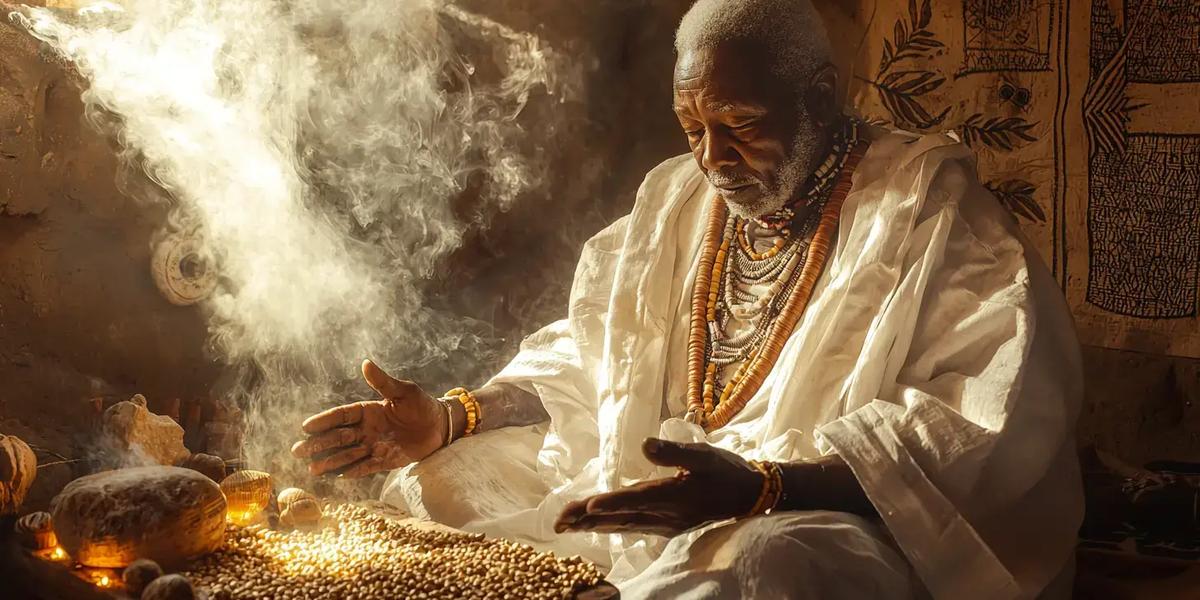
Honouring ancestors remains central to African belief systems. Families and communities maintain altars or carry out libations, offerings, and prayers to seek guidance, protection, and blessings from those who came before. These practices sustain a sense of continuity, cultural identity, and collective memory.
Rituals, Healing, and Spiritual Guidance
Traditional rituals may involve ceremonies, dance, drumming, purification, and divination. For example, the ritual dance-healing ceremony Vimbuza among the Tumbuka people of Malawi and neighbouring regions invokes spiritual healing and balance through music and movement. Such practices show how African spirituality often integrates health, community, and metaphysical belief.
Connection Between Spirituality and Environment
For many African belief systems, nature is not simply a backdrop but an active part of spiritual life. Sacred groves, rivers, forests, or land may be regarded as the dwelling places of spirits or ancestors. Respecting these natural spaces becomes part of cultural identity and environmental stewardship. Recent research shows that communities adhering to traditional spiritual beliefs in parts of West Africa tend to engage more in forest conservation.
Adaptation, Syncretism, and Modern Life
Although many Africans today follow mainstream religions such as Christianity or Islam, traditional beliefs often persist and merge with new identities. Many practitioners combine formal religion with ancestral customs, rituals, or spiritual practices such as divination or “juju” beliefs.
Surveys show that in several African countries, substantial proportions of the population still believe in the protective powers of sacred objects, ancestors, or spiritual healers.
Practical Ways to Explore and Respect Spiritual Heritage
Support cultural research and documentation of traditional practices through interviews, oral history, or community engagement. When visiting sacred or ritual sites, approach with respect and seek permission if required. Encourage inclusion of African spiritual heritage in education, museums, or cultural events to raise awareness and preserve history. Use media and storytelling to widely share knowledge of African spirituality and belief systems.
Explore African spirituality through belief systems, ancestral veneration, rituals, and nature-based practices. Understand how traditions shape identity, community, and cultural heritage across the continent.
Visit our website for more.