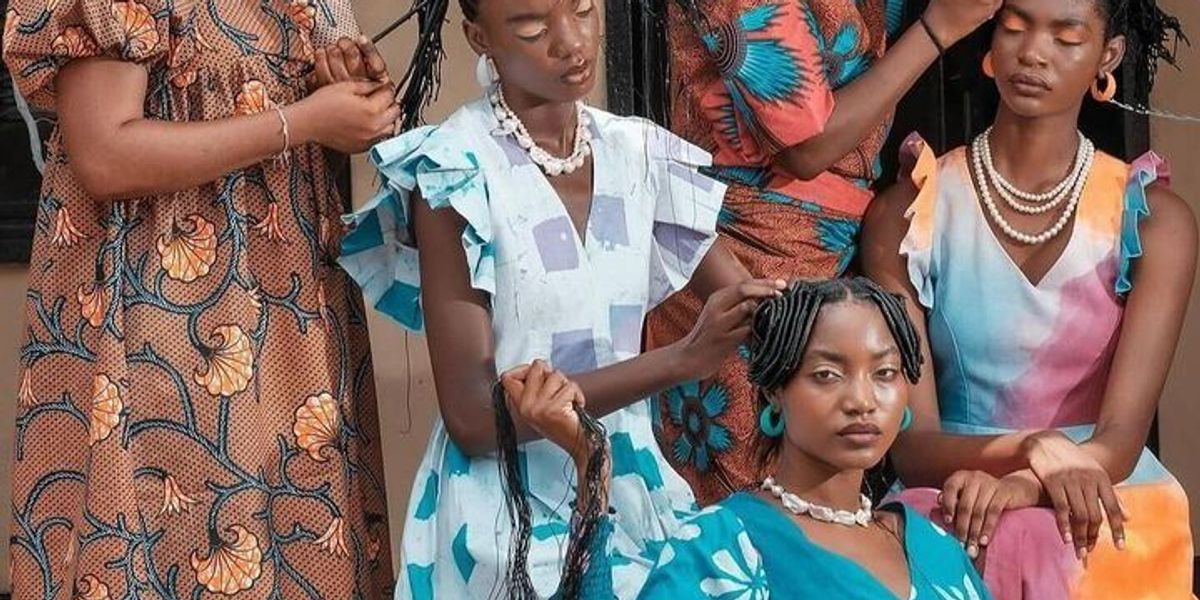
Threads of Identity: How African Fashion Tells Our Story

Titilayo Ifeoluwa
Click to view profile
African fashion is more than fabric it is memory, identity, and resistance stitched into cloth. From village looms to bustling city markets, what we wear reflects who we are, where we come from, and the stories we want to tell.
Today, this heritage is not just preserved but reimagined. Designers, musicians, and everyday Africans are turning fabrics into statements of pride. On runways, in music videos, and across street corners, African fashion continues to prove that style is storytelling.
Woven Memories
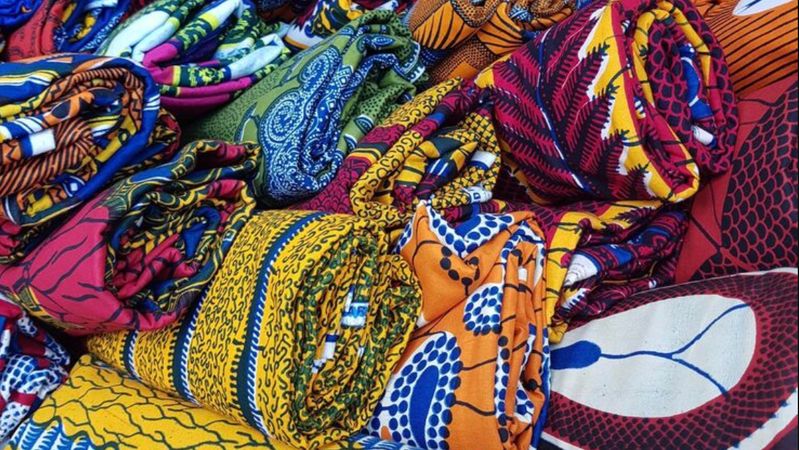
Photo Credit: Freepik/EyeEm
Every fabric in Africa carries a legacy. What might look like simple cloth is, in reality, a woven archive of values, beliefs, and traditions. Generations have passed down weaving and dyeing techniques, ensuring that fabric remains a link between ancestors and descendants.
Ankara: The Everyday Storyteller
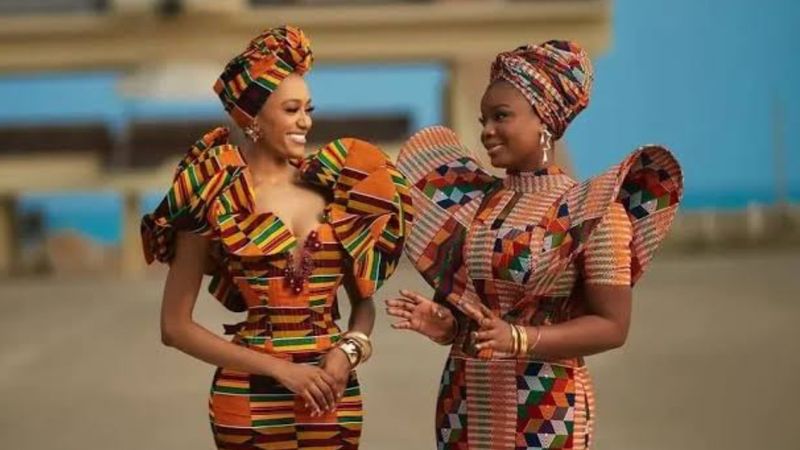
Photo Credit: Fashion police Nigeria
Ankara, with its bold and colorful prints, is perhaps the most recognizable African fabric worldwide. Though its roots trace back to Indonesian batik, West Africans embraced it as their own, giving each pattern meaning and cultural depth. Today, Ankara is worn for weddings, church services, parties, and casual wear, making it a fabric of versatility and celebration.
Adire: Indigo Tales of the Yoruba
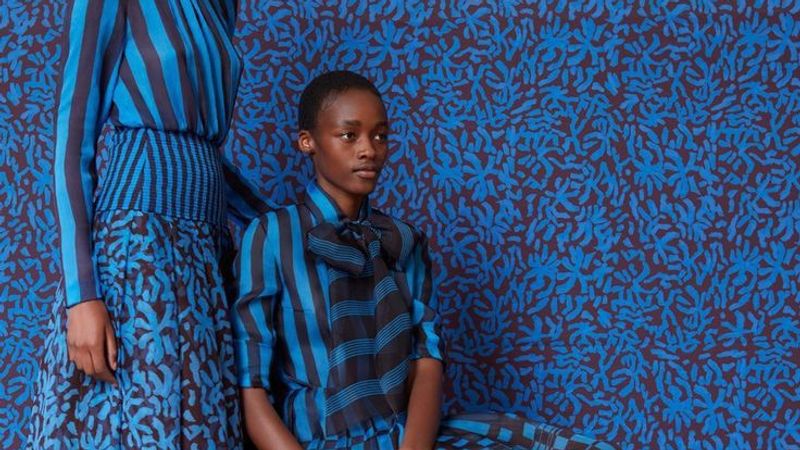
Photo Credit : Pinterest
Adire, meaning “tie and dye” in Yoruba, is an indigenous hand-dyed fabric traditionally made with indigo. It carries motifs that represent stories of fertility, resilience, and spirituality. Once associated with Yoruba royalty, Adire has moved from local markets in Abeokuta to international fashion shows. Designers like Nike Davies-Okundaye have revived Adire as a modern statement of cultural pride.
Kente: The Cloth of Kings
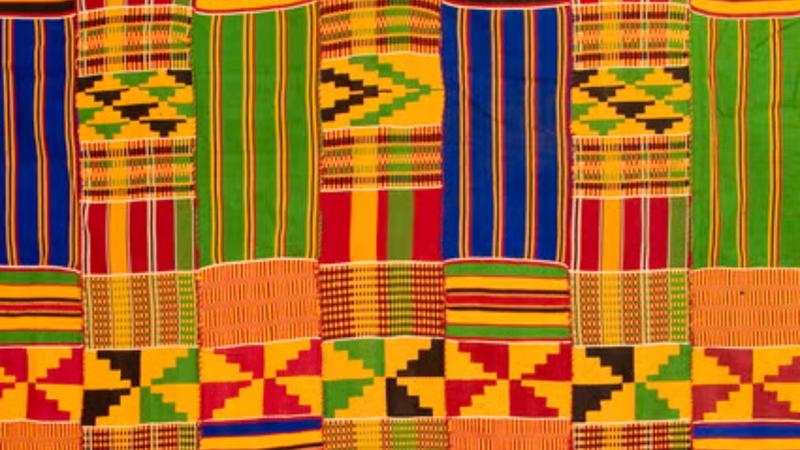
Photo Credit: ALANTOBEY/Getty Image
Kente cloth, woven in Ghana, is more than a fabric; it is a language. Each pattern carries a proverb or symbol, such as unity, prosperity, or courage. Historically reserved for kings and chiefs, Kente has become a pan-African emblem, worn at graduations, weddings, and political rallies. It connects people not only to Ghanaian roots but also to broader African pride in the diaspora.
Aso Oke: Cloth of Prestige
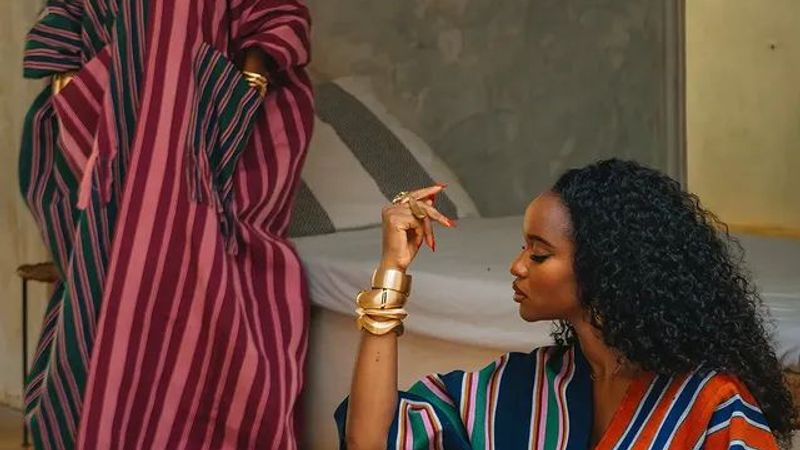
Photo Credit: Pinterest
Among the Yoruba of Nigeria, Aso Oke is the fabric of prestige. Handwoven with cotton, silk, or metallic threads, it shines with elegance and texture. Aso Oke is most commonly seen at weddings, chieftaincy titles, and cultural festivals, where its richness represents unity, love, and respect. For many families, owning Aso Oke is like keeping a piece of generational heritage alive.
Power in Patterns
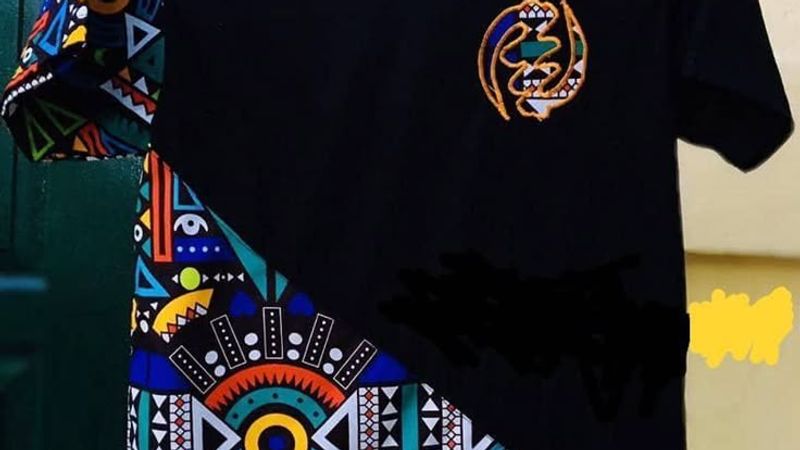
Photo Credit: Pinterest
African fashion is never neutral; colors and symbols speak. A strip of Kente may mean unity, while specific Adire motifs reflect rebirth or fertility. Clothing becomes a silent conversation, expressing joy, grief, or resistance without words.
Runways to Street Corners
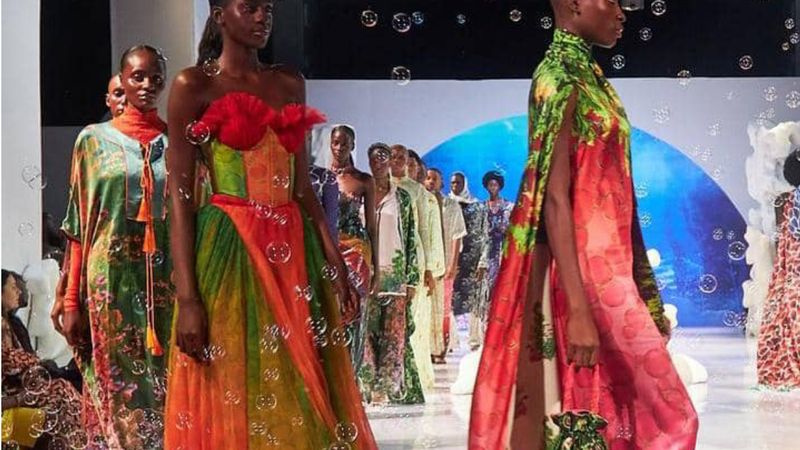
Photo Credit: Banke Kuku Ocean Collection
Fashion in Africa is both high art and daily life. A bride in Lagos may wear Aso Oke handwoven with metallic threads, while across Accra, young men mix sneakers with Kente-patterned jackets. Street markets, weddings, and global catwalks all become stages for African style.
The Music-Fashion Collab
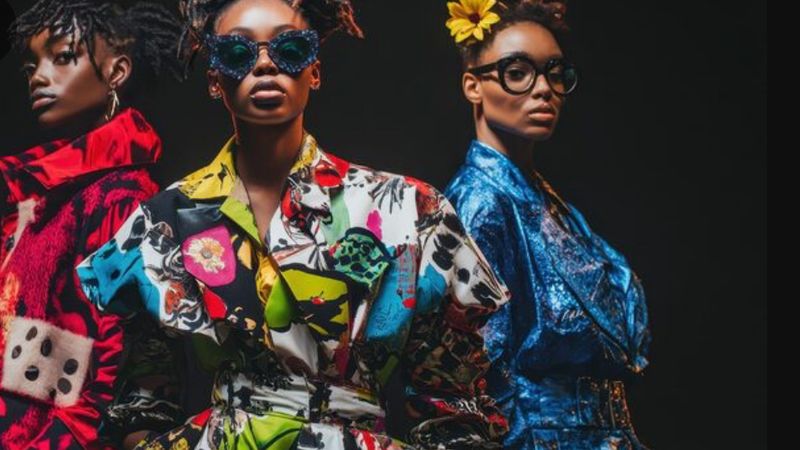
Photo Credit: Freepik
Afrobeat is as much about style as it is about sound. Musicians have turned outfits into visual lyrics, wearing designs that affirm African pride.
- Burna Boy – mixes vintage Ankara with luxury streetwear.
- Tems – bold, Afro-futuristic styles that command global attention.
- Wizkid – blends casual streetwear with African prints.
- Rema – youth-driven fashion that bridges local and international cool.
Diaspora Drip
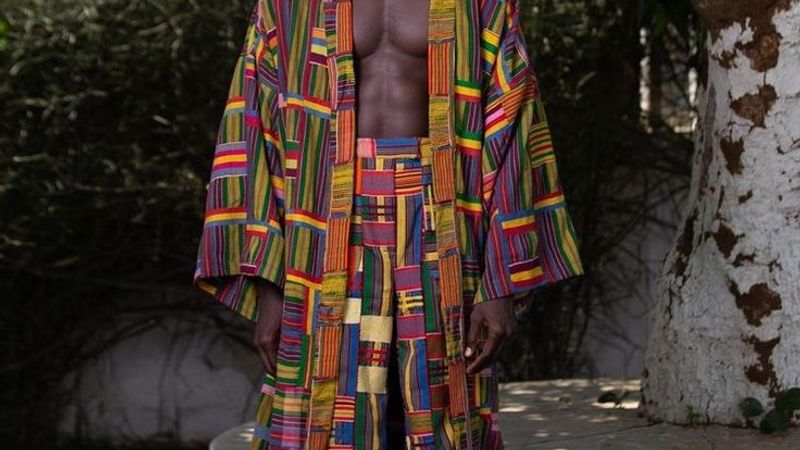
Photo Credit: Pinterest
Across London, New York, and Paris, Africans in the diaspora are remixing heritage with modernity. Ankara jumpsuits, gele-inspired turbans, and Kente sneakers highlight how fashion preserves roots while adapting to global culture. With under-25s making up 50% of Africa’s population and over 35% belonging to the rising middle class, youth-driven fashion is set to be one of the continent’s most powerful cultural exports.
Slow Fashion, African Wisdom

Photo Credit: Pinterest
In a world drowning in fast fashion, African traditions show a different way. Handwoven Aso Oke or hand-dyed Adire are naturally sustainable: crafted slowly, valued deeply, and worn for years. In Nigeria, the textile, apparel, and footwear sector already employs over 500,000 people, accounting for approximately 25% of Sub-Saharan Africa’s fashion market. This proves that slow, locally crafted fashion is not only cultural preservation but also economic survival
The Copycat Problem

Photo Credit: Pinterest
With global attention comes exploitation. Major fashion houses have profited from African prints without crediting their origins. Debates around ownership and cultural appropriation continue to raise important questions: Who really owns a pattern?
The World Wants Our Wardrobe
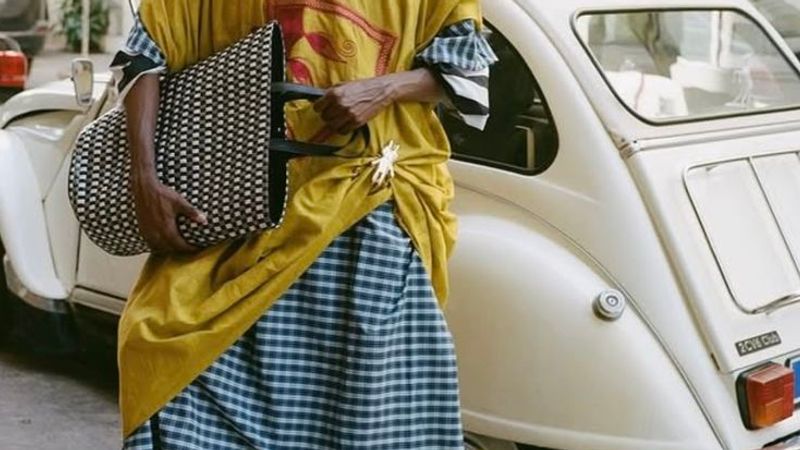
Photo Credit: Pinterest
The demand for African fashion is global. Africa’s textile and apparel exports already generate about US$15.5 billion annually, and UNESCO estimates that this figure could triple in the next decade with proper investment and infrastructure. This demonstrates that African fashion is not only a cultural treasure but also an economic powerhouse poised for expansion.
Dressing the Future
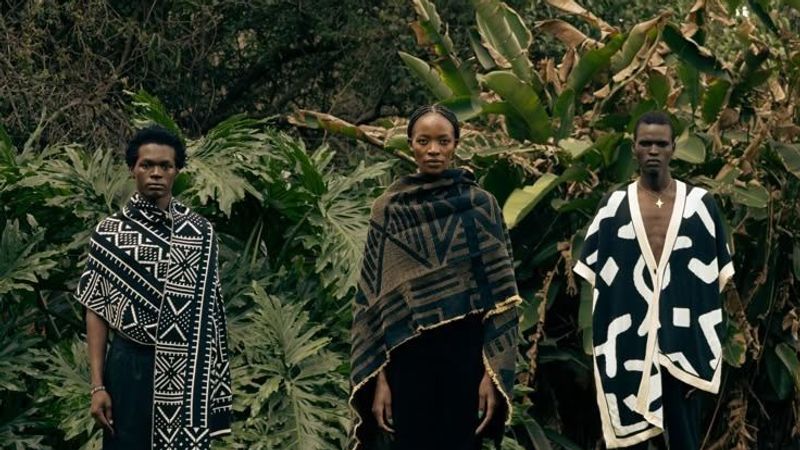
Photo Credit: Pinterest
The future of African fashion is bold and borderless. Technology, digital fashion, and even NFTs are being combined with centuries-old fabrics. Whether it’s on TikTok, Paris Fashion Week, or in Lagos street markets, African fashion will keep telling the continent’s story one thread at a time.
African fashion is more than style; it is memory, pride, and a language of identity. From Ankara to Adire, Kente to Aso Oke, every fabric carries a story that connects the past to the present. As designers, musicians, and everyday people continue to wear these threads with pride, African fashion proves that culture will always be in style.
To explore more African insights,
Visit: Our Website