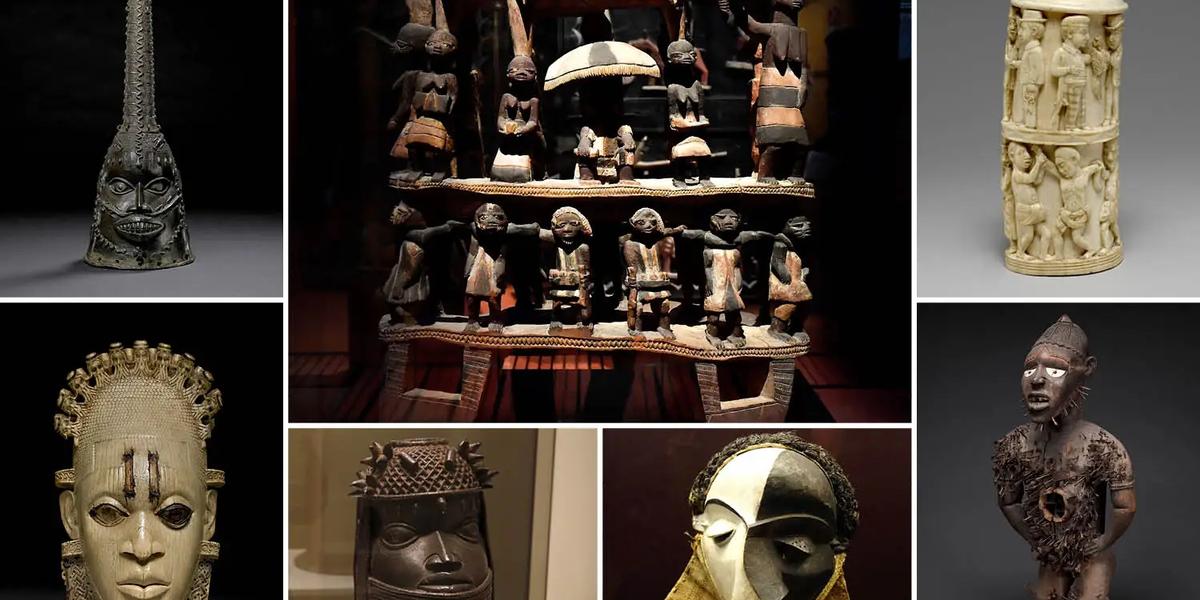
The Untold Stories Behind African Art & Sculpture

Vera Ifechukwu
Click to view profile
African art holds profound meaning beyond aesthetic appeal. It reflects beliefs, spirituality, history, and community identity that have developed over centuries across diverse cultures. These expressions reveal how people understand life, ancestry, and connection to the world around them.
For documentary lovers and art enthusiasts, exploring African art and sculpture offers a journey into narratives that are often overlooked outside their communities. These stories connect symbolism, ritual, innovation, and cultural memory in ways that deepen appreciation of the continent’s artistic legacy.
Art as Function and Meaning in Daily Life
Traditional African art was rarely created solely for visual pleasure. Many sculptures, masks, and objects served functional, ceremonial, and ritual purposes tied to community life. This blend of utility and symbolism is central to understanding African art's meaning, where aesthetic form and social role are inseparable.
Spiritual and Symbolic Roles of Sculptures
African sculptures often embody spiritual concepts or ancestral connections. In many communities, carved figures and masks are believed to bridge the physical and spiritual worlds, representing deities, ancestors, or supernatural forces during ceremonies. This spiritual use highlights how art serves as a living cultural practice.
Ancient Traditions and Regional Styles
Across the continent, sculptural traditions vary widely, from the early Nok terracotta heads of Nigeria to the ritual figures of the Dogon and Bambara of Mali. These art forms carry regional narratives of lineage, agriculture, spirituality, and societal roles. Their diversity underscores the deep historical roots of sculpture in African social life.
Iconic Works and Modern Relevance
Some sculptures, like Ben Enwonwu’s Anyanwu, have transcended local contexts to become symbols of national identity and resilience. Created to represent mythological and cultural ideals, these works connect ancestral heritage with modern identity, showing how traditional themes can resonate in contemporary art.
Contemporary Market Trends and Growing Recognition
Interest in African art has grown globally, with markets expanding and collectors seeking works by African-born artists. It is estimated that the African art market could reach around $1.5 billion, driven by collectors, art fairs, and international exhibitions that bring new audiences to these cultural narratives. This trend continues to provide updates on how African art engages global interest.
Practical Tips for Engaging with African Art and Heritage
Explore local museums, galleries, and cultural centres that showcase sculptures and traditional art. Attend documentary screenings or art festivals to hear stories from artists and scholars. Support initiatives that document oral histories and the meaning behind artistic traditions. Share discoveries with friends and online communities to inspire others to value this rich cultural heritage.
Uncover the untold stories behind African art and sculpture. Explore spiritual meaning, regional traditions, and cultural narratives that shape artistic expression across the continent.
Visit our website to access documentaries, artist features, and more cultural content tailored for art lovers and travellers.