
The Role of AI and Blockchain in Africa's Economic Growth

Andy Akinbamini
Click to view profile
Artificial intelligence and blockchain technologies are rapidly transforming economic activities across Africa in practical, measurable ways. Small-scale farmers now receive data-driven agricultural advice through mobile phones, while traders access credit using secure digital transaction histories. These technologies are solving real problems and creating new opportunities throughout the continent today. AI and blockchain are becoming essential tools that help African businesses and individuals participate more effectively in the digital economy.
These technologies are arriving at an important time for Africa's economic development and growth potential. Many African countries are looking for innovative solutions to build more inclusive and sustainable economies for their growing populations. AI and blockchain offer unique opportunities to skip outdated systems and build better, more transparent digital economies. The focus is on using these tools to serve everyone, from small farmers to city entrepreneurs, effectively.
Smart Farming Technology Improves Agricultural Productivity

Photo credit: user6702303/freepik
AI-powered tools are helping African farmers make better decisions about their crops using data from satellites, weather stations, and soil sensors. These technologies can predict weather patterns, suggest the best planting times, and identify crop diseases before they spread widely. Innovative farming applications provide small-scale farmers with personalized advice that was previously only available to large commercial operations. The technology is transforming agriculture from unpredictable subsistence farming into more reliable, profitable businesses that can feed growing populations.
Mobile Money And Blockchain Expand Financial Access

Photo credit: pikisuperstar/freepik
Traditional banking services remain out of reach for many Africans, but blockchain technology is creating secure, transparent alternatives for financial transactions. SSA largely drove the growth of the global mobile money industry in 2024. The region accounted for more than two-thirds of registered accounts in 2024, increasing its total number of registered accounts to over one billion and doubling the number recorded in 2020. These technologies are bringing millions of people into the formal economy who were previously excluded from banking and financial services.
AI Applications Transform Healthcare Delivery

Photo credit: DC Studiof/reepik/
AI-powered medical tools are helping address Africa's healthcare challenges, where doctors and medical facilities are often scarce or far away. Surveys in 2024 found that over 40% of African institutions have begun experimenting with or implementing AI solutions, including those in healthcare. Diagnostic algorithms can analyze medical images and help detect diseases early, while telemedicine platforms connect rural patients with healthcare providers. These AI tools help make limited medical resources more effective and reach more people who need healthcare services.
Blockchain Technology Strengthens Supply Chain Transparency
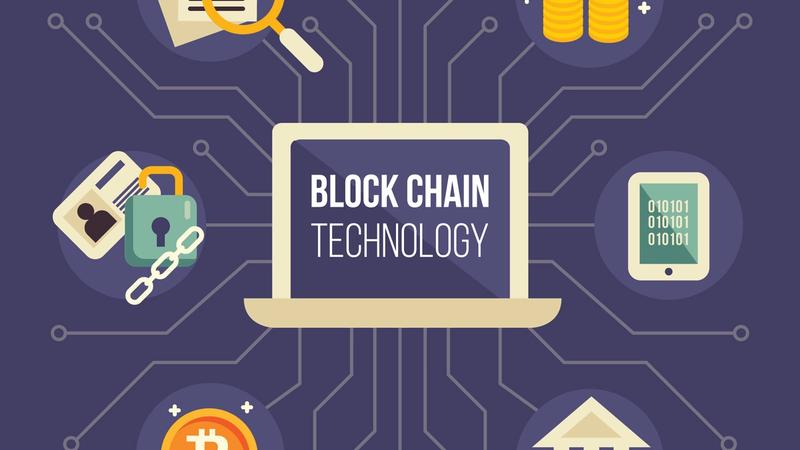
Photo credit: freepik
Blockchain creates permanent, transparent records of transactions that help reduce fraud and ensure products can be traced from origin to consumer. This technology is particularly valuable in Africa, where supply chains often involve many different intermediaries and cross multiple borders. Transparent blockchain records help farmers get fair prices for their products while giving consumers confidence in what they buy. The technology also helps reduce corruption by creating unchangeable records of all transactions and transfers.
Digital Infrastructure Development Supports Economic Growth

Photo credit: freepik/DC Studio
The combination of AI and blockchain technologies requires reliable digital infrastructure, including internet connectivity, mobile networks, and digital payment systems. 4G connections are forecast to account for 50% of total mobile connections in Africa by 2030, providing the foundation for more advanced digital services. Building this digital infrastructure creates jobs and enables other sectors of the economy to become more efficient and competitive. Investment in digital infrastructure pays long-term dividends by supporting innovation and economic development across multiple industries.
Government And Private Sector Adoption Increases

Photo credit: creativeart/freepik
African governments and businesses are increasingly adopting AI and blockchain solutions to improve efficiency, transparency, and service delivery. Nigeria's ranking second globally on crypto adoption indexes shows how quickly African countries can embrace new financial technologies when they solve real problems. Government services like identity management, voting systems, and public record keeping can benefit from blockchain's transparency and security features. Private companies are using AI for everything from customer service to supply chain optimization, creating competitive advantages and better services.
Digital Identity Systems And Civic Services

Photo credit: freepik
Blockchain technology is enabling African governments to create secure, tamper-proof digital identity systems for their citizens. These digital ID systems help people access government services, open bank accounts, and prove their identity for employment or business registration. Many African countries lack comprehensive civil registration systems, making digital identity solutions particularly valuable for economic inclusion. Secure digital identities help reduce fraud in government programs while making essential services more accessible to rural and underserved populations.
Educational Technology And Skills Development

Photo credit: pch.vector/freepik
AI-powered educational platforms are helping African students and workers develop digital skills needed for the modern economy. Online learning systems use artificial intelligence to personalize education content based on individual learning styles and progress rates. These platforms make quality education more accessible in areas where traditional schools and universities may be limited or expensive. Educational technology helps prepare Africa's young population for jobs in the digital economy while providing ongoing training for existing workers.
Smart City Development and Urban Planning

Photo credit: freepik
AI and blockchain technologies are helping African cities manage rapid urbanization through smart city solutions and data-driven urban planning. Intelligent traffic management systems use AI to reduce congestion and improve public transportation efficiency in major African cities. Blockchain-based property registries help create transparent land ownership records, reducing disputes and enabling better urban development planning. These technologies help cities provide better services to growing populations while managing resources more efficiently and sustainably.
Visit Our Website to learn more and explore Africa.