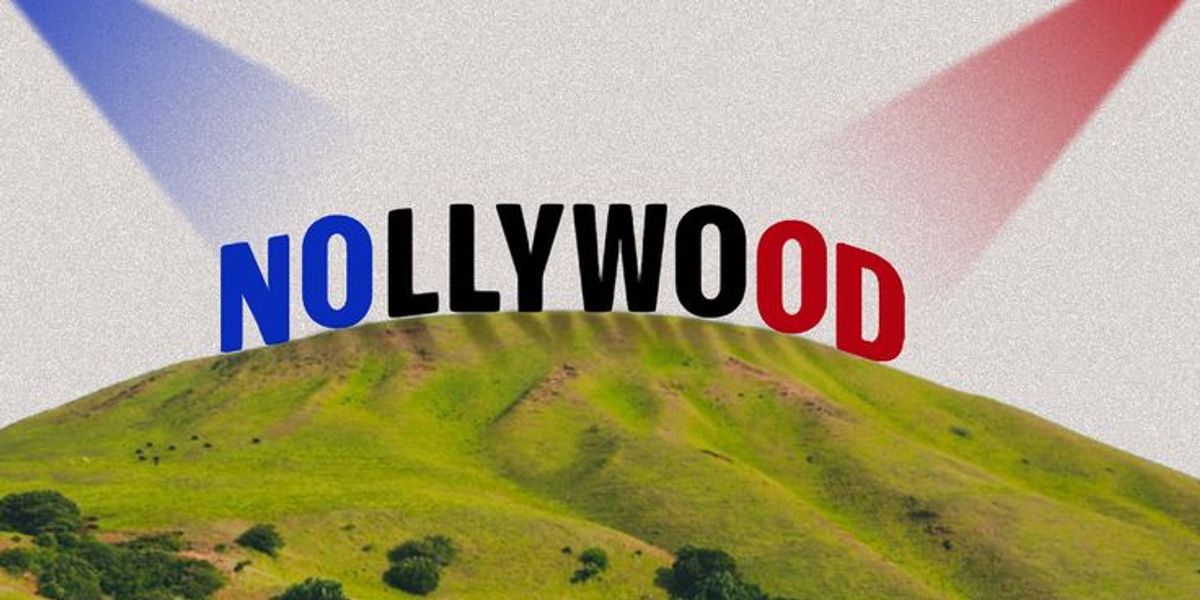
The Role of African Women in Film and TV Production

Titilayo Ifeoluwa
Click to view profile
The African film and television industry has always been a powerful vessel of culture, history, and entertainment. For decades, its stories were shaped mostly by men, both in front of and behind the cameras. Women, while present, were often limited to acting roles or seen only through narratives defined by others. This gender imbalance left many important stories untold and perspectives unexplored.
Today, that is changing. Across the continent, African women are increasingly stepping into leadership roles as directors, producers, and screenwriters. They are not just participating in the industry; they are redefining it. Their work is breaking records, shaping representation, and proving that gender equity is not simply a matter of fairness but a driver of creativity, growth, and global recognition.
Pioneers and Trailblazers
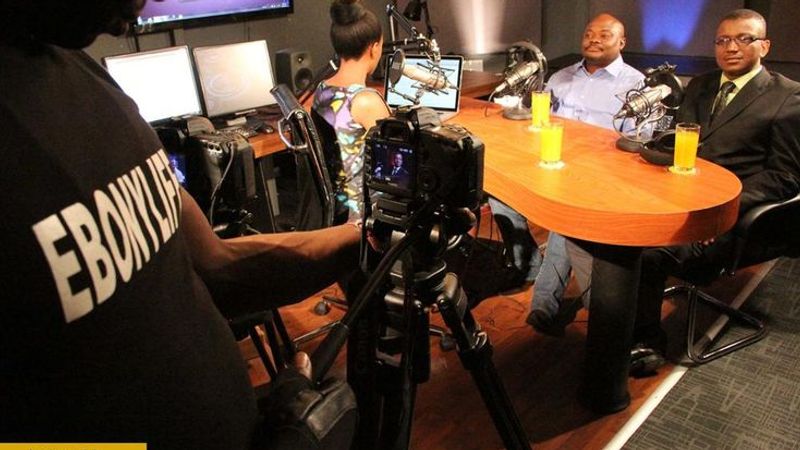
Photo Credit: EbonyLife TV / Pinterest
The journey of women in African film and TV owes much to pioneers who challenged norms. Senegalese filmmaker Safi Faye became one of the first Sub-Saharan African women to gain international acclaim for directing. In Nigeria, Amaka Igwe set the pace as a director and producer, remembered for her bold storytelling and technical expertise. Similarly, Mo Abudu, often called “Africa’s Oprah,” launched EbonyLife TV, which today broadcasts in more than 49 countries across Africa, the UK, and the Caribbean. These women proved that the industry could not only include women but also be shaped by them.
Breaking Box Office Barriers

Photo Credit: Pinterest
African women are proving that they can combine artistry with commercial success. In 2023, Funke Akindele became the first female Nigerian director to surpass ₦1 billion at the box office with her film A Tribe Called Judah. Before that, her films Omo Ghetto: The Saga and Battle on Buka Street were already among Nigeria’s top earners. These successes highlight the growing appetite for female-driven stories and the undeniable business case for women at the helm of production.
Female Producers Building the Ecosystem
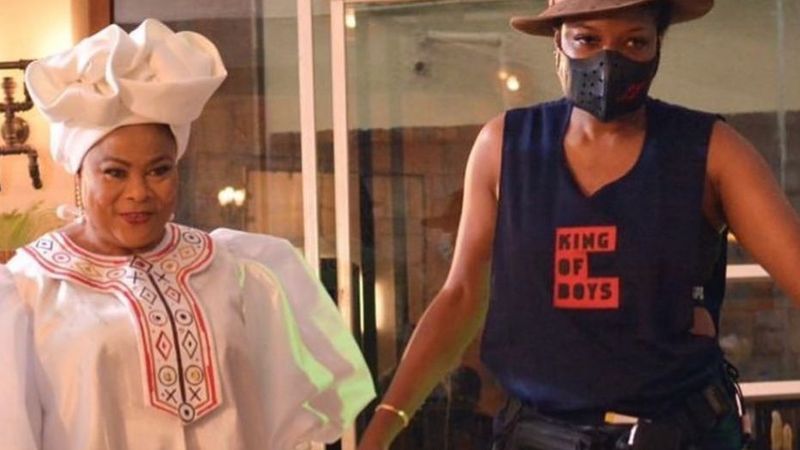
Photo Credit: Kemi Adetiba
Beyond breaking records, female producers are building structures that sustain the industry. Emem Isong, for instance, has leveraged her over 25 years of experience to produce films that address women’s issues and societal challenges. Her collaborations with organizations like UNFPA show how film can also serve social development goals. Kemi Adetiba, known for King of Boys, not only tells gripping stories but also mentors emerging talents, ensuring that the next generation of women is prepared to lead.
Representation and Content: Changing Narratives
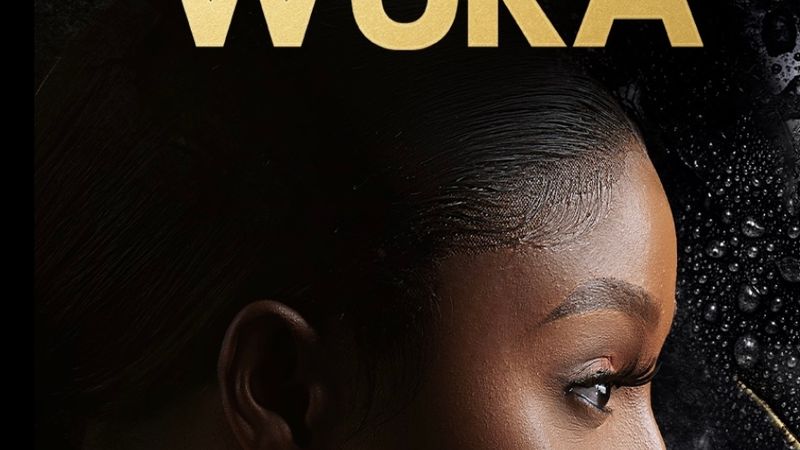
Photo Credit: IMDb
The presence of women behind the camera is transforming the stories shown on screen. Nollywood films increasingly depict women as leaders, entrepreneurs, and independent individuals far from the stereotypes of the past. A study in Rivers State, Nigeria, found that audiences perceive female representation in recent Nollywood productions, such as Adire (2023) and Wura (2023), as more empowering and authentic compared to earlier portrayals.
Award-Winning Women Changing the Narrative
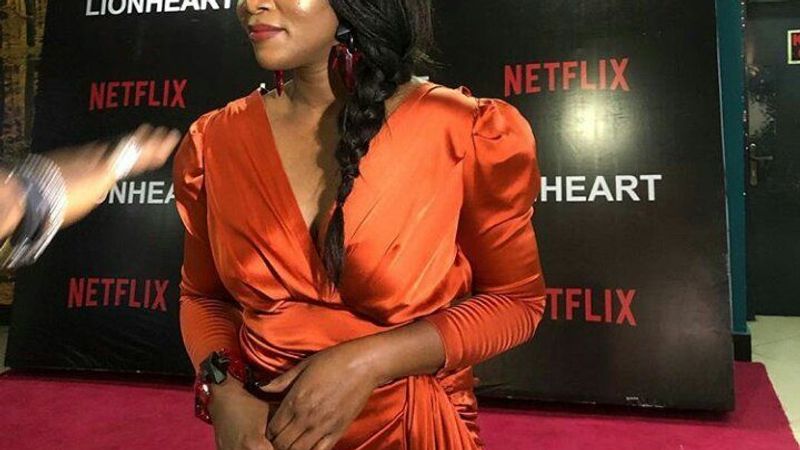
Photo Credit: Humour&Style/ Pinterest
African women are not only producing great films, but they are also gaining international recognition for their work. In 2018, Wanuri Kahiu of Kenya made history when her film Rafiki became the first Kenyan feature to premiere at the Cannes Film Festival, earning global praise for its bold storytelling. Nigeria’s Genevieve Nnaji, with her directorial debut Lionheart, became the first Nigerian filmmaker acquired by Netflix and won the Black Reel Award for Outstanding International Film in 2020.
Similarly, South African director Jenna Bass has received international accolades for her experimental films, while Chinonye Chukwu, a Nigerian-American filmmaker, won the U.S. Grand Jury Prize at Sundance in 2019 for Clemency, becoming the first Black woman ever to receive that honor. These awards are more than personal achievements; they are milestones that showcase the creative power of African women in global cinema. Their recognition affirms that African women’s voices are not just being heard locally but are shaping conversations on world stages.
Challenges Still Facing Women
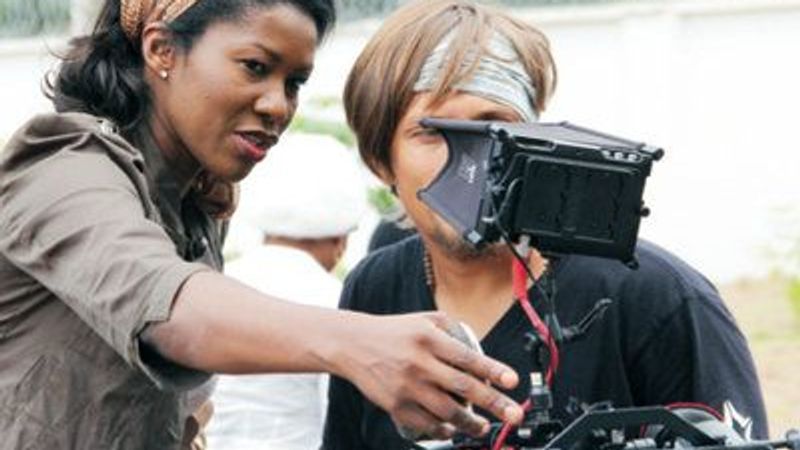
Photo Credit: NPR Pins/ Pinterest
Despite progress, challenges remain. Women in the industry continue to face:
Funding barriers: Investors are less likely to finance female-led projects.
Stereotypes: Many still expect women to tell only certain “types” of stories.
Underrepresentation in technical roles: Cinematography, sound engineering, and editing remain male-dominated fields.
These barriers underscore the importance of representation at every level of production for achieving long-term equity.
The Future and Global Reach
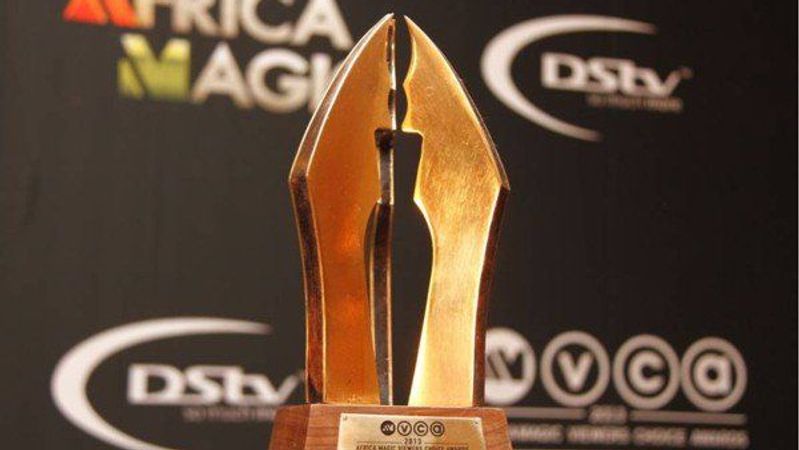
Photo Credit: Chinedu Hardy/ Pinterest
The future is promising. With global platforms like Netflix, Showmax, and Amazon Prime investing heavily in African content, female filmmakers are finding new opportunities to showcase their work. Mo Abudu’s EbonyLife Studios has signed multiple deals with international companies, while directors like Bolanle Austen-Peters are creating culturally rich films that resonate globally. Female-led media production contributes to the creative economy segment that employs over 2.5% of Nigeria’s workforce, proving the sector’s importance not only for culture but also for national development.
The rise of African women in film and TV production is not a side note; it is the story. From trailblazers like Amaka Igwe to box-office queens like Funke Akindele and media moguls like Mo Abudu, women are expanding what is possible in the industry. Their leadership ensures that the stories of Africa are told with nuance, diversity, and truth. The industry’s growth, both culturally and economically, proves that when women take the lead, everyone benefits.
Visit Our Website to learn more and explore Africa.