
The Rise of Comedy Skits and Online Entertainment in Africa

Titilayo Ifeoluwa
Click to view profile
African comedy has always thrived in theatres, stand-up shows, and local TV. But in the last decade, the internet has transformed this tradition into a digital powerhouse. Young comedians are harnessing the power of short-form skits to entertain, educate, and even challenge societal norms.
With social media platforms becoming accessible to millions, comedy skits now travel faster than traditional media ever could. What began as simple smartphone videos has grown into a multimillion-dollar industry, turning everyday Africans into global internet sensations. This digital shift has not only created new stars but has also reshaped how Africans consume and share humor. What was once limited to stand-up stages, TV shows, or local gatherings has now moved to the palms of millions, accessible anytime and anywhere.
From Stage to Screen: The Evolution of African Comedy

Photo Credit: Sandi Durrell/ Pinterest
Comedy in Africa has deep roots in live performances, drama, and satire. But the internet has transformed it into something more immediate and relatable. Skits are short, easy-to-digest, and often reflect everyday struggles, cultural quirks, and social issues, making them highly engaging for audiences. Before the age of smartphones, comedians relied on stage performances or DVD releases. Now, anyone with a camera and creativity can find an audience. This shift has given rise to viral characters and new genres of African humor that blend local languages, cultural quirks, and satire.
The Birth of a Digital Comedy Culture

Photo Credit: Mark Angel/ Pinterest
The early wave of African skit-making can be traced back to pioneers like Mark Angel Comedy, whose relatable, family-friendly skits went viral across the continent. Mark Angel’s YouTube channel now boasts 9.53 million subscribers and over 2.48billion views, proving that online comedy has the power to rival mainstream media. As internet access spread, more comedians joined the scene, creating characters that mirrored daily struggles, cultural quirks, and political satire.
Social Media as a Stage
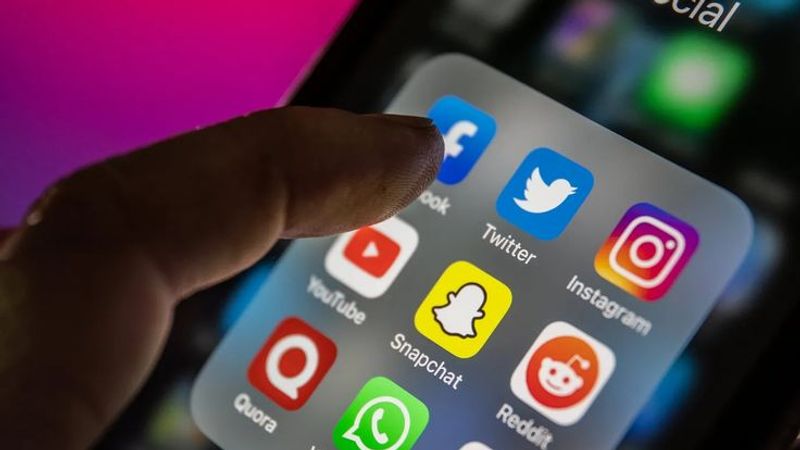
Photo Credit: Pinterest
Platforms like TikTok, YouTube, and Instagram have become virtual comedy clubs. In Africa, there is a significant growth in short-form video content, driven by youth demand for quick, relatable laughs. A single skit can go viral, making unknown creators into household names overnight. Many skit comedians now enjoy brand endorsements, movie roles, and international recognition thanks to their online presence.
The Business of Laughter

Photo Credit: Afokoconnect media brand /Pinterest
What makes the skit-making industry truly groundbreaking is its financial power. In Nigeria alone, the sector is now valued at over ₦50 billion (approximately $31.2 million USD). Revenue comes not only from YouTube monetization but also from Instagram partnerships, sponsorships, and branded content deals. For instance, in 2023, Mark Angel gained over 197 million views on his Instagram account, which currently has approximately 3.15 million followers. Newcomer Layi Wasabi had the second-highest engagement, with 133.2 million views and 1.6 million followers, while Sabinus had a total of 130 million views. This demonstrates how skit makers are building powerful digital brands that rival traditional celebrities.
The Audience Connection

Photo Credit: Pinterest
Comedy skits thrive because they resonate with everyday life. From “African parents” jokes to exaggerated depictions of love, money, and politics, the humor feels authentic. This deep audience connection ensures that skit makers are not just entertainers, but relatable voices who reflect the struggles and joys of their communities.
Stars Born from Skits

Photo Credit: Wunmi Fajimi/ Pinterest
Names like Mr. Macaroni, Taaooma, Broda Shaggi, Lasisi Elenu, and Mark Angel Comedy have become synonymous with African online humor. Their success stories demonstrate that talent, creativity, and consistency can rival those of traditional entertainment industries. Some have even crossed into Nollywood and global stages, expanding their careers beyond skit-making
Online Entertainment as Social Commentary

Photo Credit: Pinterest
Beyond laughs, many skits address serious issues, including politics, gender roles, youth unemployment, and cultural identity. Comedy becomes a soft yet powerful form of activism, raising awareness while still entertaining.
The Future of African Online Entertainment

Photo Credit: sidomex entertainment/ Pinterest
The rise of comedy skits is just the beginning. As internet access and digital literacy improve across the continent, we can expect even more diverse forms of online entertainment. From short films to podcasts and animation.
The rise of comedy skits and online entertainment in Africa is not just a passing trend; it is a cultural and economic revolution. By blending humor with storytelling, social critique, and business, African creators have proven that a smartphone can be more powerful than a stage. As audiences continue to grow, skit makers are not only making the continent laugh but also building a sustainable industry that competes globally. The future of African comedy is digital, and it’s only just getting started.
Visit Our Website to learn more and explore Africa.