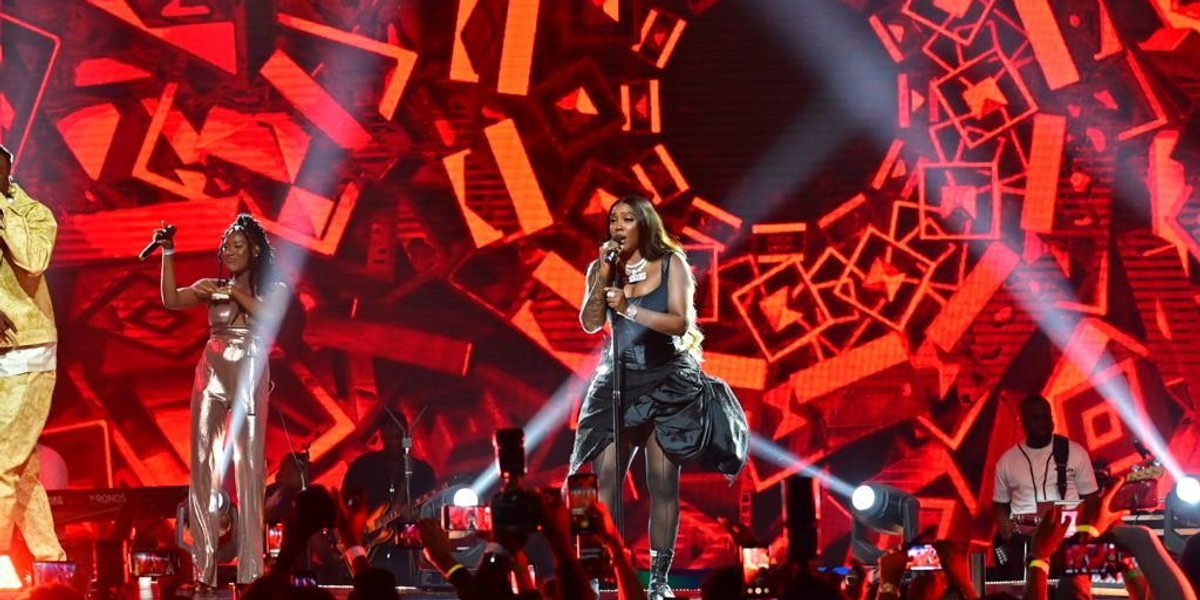
The Rise of African Entertainment: A New Global Wave

Andy Akinbamini
Click to view profile
The African entertainment industry has transformed into a global powerhouse, commanding commercial dominance and shaping worldwide trends. From Afrobeats tours and Netflix-secured Nollywood films to fashion influencing luxury brands, Africa is now a crucial creative epicentre.
This momentum is accelerating as global audiences demand authentic narratives. Africa's influence now sets the agenda, shifting how international industries operate and proving that the future of entertainment speaks multiple languages and polyrhythmic beats.
Entertainment Sector Outpaces Global Growth Projections

Photo credit: Guardian
Nigeria's entertainment market posted 11.2% growth in 2024, followed by Kenya at 7.1% and South Africa at 6.2%, significantly exceeding the global average. These figures reflect structural shifts toward scalable digital platforms, youth-driven engagement, and new monetisation models that leverage mobile penetration exceeding 90 subscriptions per 100 people.
Kenya's internet advertising market is projected to grow at a 16% CAGR through 2029, the fastest globally, demonstrating how African markets are leapfrogging traditional media economics.
Afrobeats Reshapes Global Music Industry Economics
Spotify launched campaigns highlighting Afrobeats' journey to billions of streams, cementing the genre's mainstream status and commercial viability. Major brands, including Louis Vuitton, Nike, Puma, and Burberry, collaborate with Afrobeats stars to create exclusive collections blending traditional African prints with contemporary streetwear.
Dance styles like Shaku Shaku, Skelewu, and Azonto inspire choreography in music videos, commercials, and video games, generating billions of views annually through viral challenges.
Nollywood Competes With Hollywood Through Strategic Distribution
Africa's film sector employs 5 million people and contributes $5 billion to continental GDP, according to UNESCO data. Netflix invested over $23 million in Nigerian content over seven years, supporting 250 licensed titles and creating 5,140 jobs, demonstrating recognition of the commercial viability of Nigerian content.
Nollywood produces 2,500 films annually, making it the world's second-largest industry by output, with productions that address African experiences and perspectives, resonating powerfully with diaspora and increasingly global audiences hungry for authentic narratives beyond Western stereotypes.
Digital Platforms Democratise Content Access and Revenue
South Africa, Nigeria, and Kenya collectively earned over $1 billion in 2024 from live music, gaming, and OTT streaming, according to market analysis. Smartphone adoption and improved internet access are driving gaming revenue in South Africa, which reached $296 million and is projected to grow at 4.6% annually through 2029.
OTT platforms expand rapidly across all three markets, with South Africa projected to add 1.4 million new subscribers by 2029 and Kenya seeing strong growth in casual and social gaming.
African Fashion Influences Global Luxury Trends
West African textiles and distinctive designs are gaining global attention through artists who are shaping how African creativity influences international fashion houses. Rema's bold cultural displays during performances spark global conversations about Afrobeats as an artistic medium, ushering in a new era in which visual art and historical storytelling are as crucial as music itself.
Practical Strategies for Engaging With the African Entertainment Wave
Audiences advance African pop culture by intentionally consuming content, attending live events, purchasing merchandise, and amplifying creators on social platforms where algorithmic signals determine promotional support. Subscribe to streaming services that carry African content, buy tickets for tours when artists visit your region, and follow African entertainment news sources, including Showcase Africa, which provides contextual insights that mainstream outlets overlook.
Infrastructure and Policy Challenges Requiring Coordinated Solutions
Despite impressive growth, the African entertainment industry faces persistent barriers, including unreliable electricity, expensive internet access, currency volatility, and annual piracy losses estimated in the billions. Connectivity costs account for 81% of entertainment spending in Nigeria, 76% in Kenya, and 62% in South Africa compared to 40% globally, leaving less disposable income for content and advertising.
Governments must implement supportive policies, including tax incentives for production companies, intellectual property protection, measures to reduce piracy, and infrastructure investments to improve reliability.
Discover how the African entertainment industry drives Africa's global influence. Learn how African pop culture reshapes trends and establishes Showcase Africa as the ultimate entertainment hub.
Visit our website for more updates.