
The Return of Stage Drama: How Theatre Is Making a Comeback

Peace Eghe
Click to view profile
In the wake of years of digital dominance and pandemic restrictions, stage drama is reemerging with renewed vigor. Audiences who were once locked into streaming platforms are now rediscovering the irreplaceable magic of live theatre. The roar of applause, the tension in a shared silence, the sense of being present in the moment—all these have drawn people back to theatres large and small.
This renaissance is not just a nostalgic revival. It is shaped by fresh creativity, innovation in staging, and evolving audience expectations. The theatre comeback is transforming what it means to attend a performance, and showing that live theatre still holds tremendous power in our cultural landscape.
Theatre Revival in Post-Pandemic Era
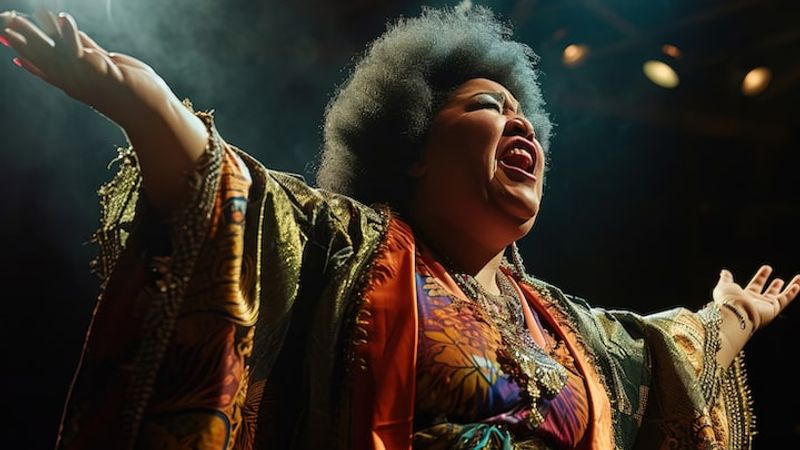
Photo Credit: Freepik
Theatre houses everywhere, from major capitals to small towns, reopened their doors, and audiences are slowly returning. Many productions postponed by lockdowns have finally taken to the stage, and new works have burst onto the scene. The resurgence of live theatre reflects a hunger for shared, in-person experiences after prolonged isolation. Venue operators report higher subscription renewals and more interest in season ticket packages, as patrons seek connection and communal entertainment.
Innovation and Immersive Performance

Photo Credit: Freepik
Theatre makers are pushing boundaries with immersive, interactive, and site-specific works. Productions now invite the audience to sit on stage, walk through scenes, or become part of the fabric of the narrative. A recent revival of Our Town allowed thirty patrons to sit amongst actors to heighten intimacy.Meanwhile, many theatres are blending projection, augmented reality, and other technologies to make stage performance feel fresh and surprising.
Community and Regional Theatre Growth

Photo Credit: Freepik
Carefully scaled productions in regional and community theatres are flourishing as theatre’s comeback reaches beyond major cultural hubs. With lower overhead and grassroots support, such stages can experiment more freely and engage local audiences directly. This trend helps democratize theatre and makes theatre production more accessible while fueling the overall revival of the performing arts across diverse geographies.
Diversity, New Voices, and Inclusive Casting

Photo Credit: Freepik
A key driver in the return of theatre is the embracing of more stories, creators, and casts from underrepresented communities. The industry is becoming attentive to telling narratives that had often been marginalized. The future of theatre now includes more inclusive casting, elevating marginalized creators, and telling stories that speak to broader audiences.
Audience Behavior and Cultural Shifts
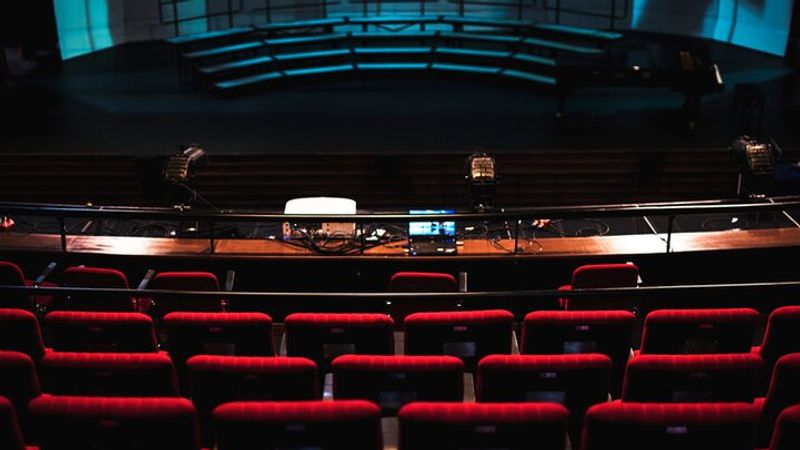
Photo Credit : Freepik
Modern theatre is responding to changing audience habits by loosening rigid norms, allowing snacks, relaxed seating, and more flexible ticketing. Younger audiences, especially, want less formality and more engagement. The rebound is in part fueled by these shifts—live theatre must feel relevant, not stuffy, if it is to survive in a competitive entertainment ecosystem.
Media, Marketing, and Social Buzz

Photo Credit : Freepik
Another force in this revival is marketing and media engagement. Social media gives theatre a new voice: behind-the-scenes clips, teasers, cast interviews, and viral moments help reach audiences who might not normally attend. This blend of tradition and digital outreach helps to bring performing arts into mainstream conversation and build anticipation for live performances.
This renewed momentum across multiple fronts suggests that stage drama is not simply returning,it is evolving deeper, reaching further, and connecting stronger than before.
Visit our website for more African entertainment stories.