
The Return of Palm Wine Music: Old Sounds for a New Generation

Titilayo Ifeoluwa
Click to view profile
Palm wine music is one of West Africa’s most unique traditional sounds, known for its simple guitar rhythms, storytelling lyrics, and cultural ties to social life. Originating in the coastal regions of Sierra Leone, Ghana, and Nigeria, the genre earned its name from the popular local drink often enjoyed where the music was performed. For decades, it was the soundtrack of village gatherings, palm wine bars, and small community celebrations.
Although it later gave way to bigger genres like highlife, juju, and Afrobeat, palm wine music never completely disappeared. Today, it is experiencing a quiet revival as young artists and audiences rediscover its charm through digital platforms, cultural festivals, and reissues of classic albums. This return highlights not just a love for the sound but also a renewed appreciation for African heritage and musical roots.
What Is Palm Wine Music?
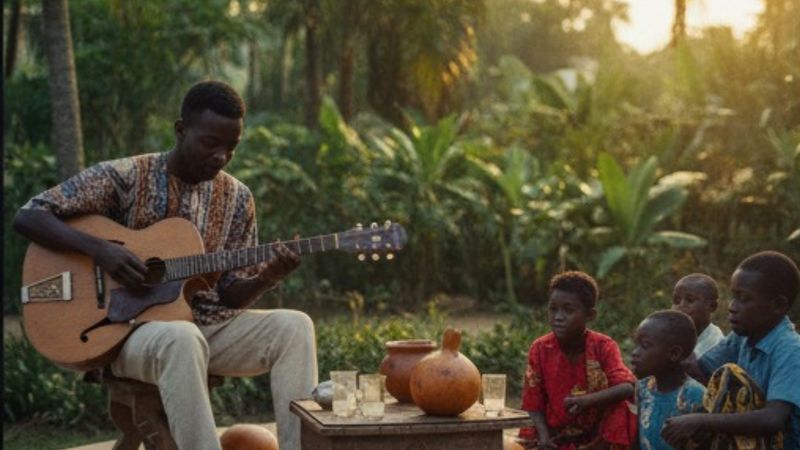
Photo Credit: Freepik
Palm wine music is a folk-based genre built on acoustic guitar melodies, light percussion, and lyrical storytelling. The songs often carry humor, wisdom, or social commentary, making them a form of entertainment and oral history. Its relaxed style reflected the social setting where it thrived, communal drinking spots where palm wine was shared.
Why Now? A Quest for Authenticity
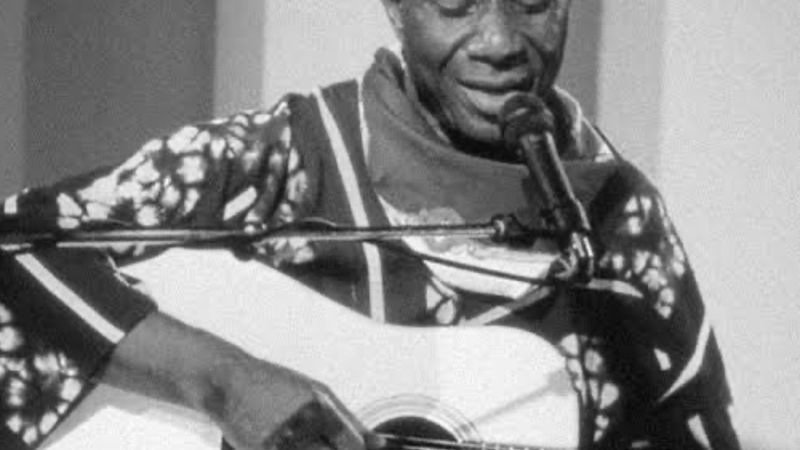
Photo Credit: Last.fm
What is it about this "old sound" that resonates so deeply with a "new generation"? Part of the answer lies in the increasing demand for authenticity. In an era dominated by electronic beats and auto-tuned vocals, the organic, handcrafted feel of palm wine music offers a refreshing contrast. It’s music that feels genuine, played by human hands, and sung by human voices, often with lyrics that resonate with universal experiences of love, loss, and community.
The Roots: Coastal West Africa
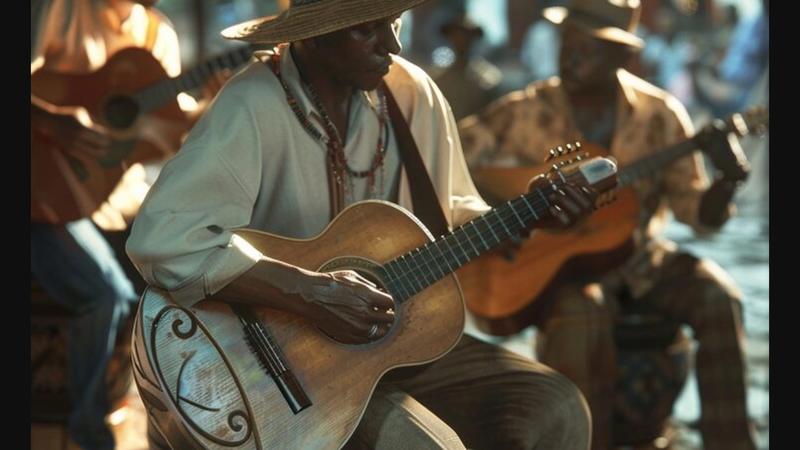
Photo Credit: Freepik
The music emerged in the late 19th and early 20th centuries in Sierra Leone, Ghana, and Nigeria. Sailors returning from Europe brought guitars, which blended with African rhythms and local storytelling traditions. Early pioneers such as S. E. Rogie from Sierra Leone and Ebenezer Calendar from Nigeria helped define the sound, influencing the birth of highlife music in later decades.
From Palm Wine Bars to Highlife
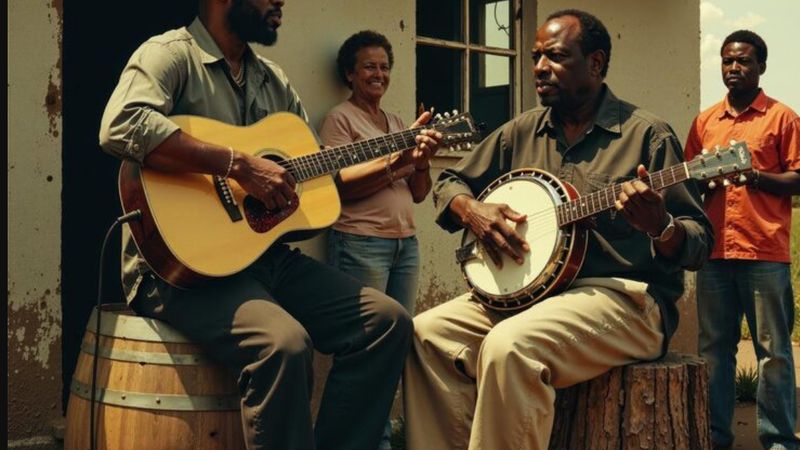
Photo Credit: Freepik
Palm wine music became the foundation for highlife, which expanded its acoustic roots with horns, drums, and big band energy. While highlife moved into dance halls and urban spaces, palm wine remained tied to local bars and community gatherings, preserving its grassroots spirit.
The Decline of Palm Wine Music

Photo Credit: Freepik
By the 1970s and 1980s, palm wine began to lose popularity. Genres like Afrobeat, juju, and later Afropop dominated radios and clubs. Many young people considered palm wine music old-fashioned, associating it with their grandparents’ generation. Without strong promotion or commercial support, it faded into the background.
The Revival: Old Sounds, New Vibes

Photo Credit: Freepik
In recent years, palm wine music has begun to resurface. Folk artists like Beautiful Nubia in Nigeria and King Ayisoba in Ghana have embraced its acoustic roots, while international reissues of S. E. Rogie’s work have introduced the genre to new audiences worldwide. Palm wine music is now gaining a foothold in festivals, small concerts, and curated playlists.
The New Custodians of a Rich Legacy

Photo Credit: Freepik
Today, artists are not merely replicating the old sounds; they are breathing new life into them. They might infuse elements of jazz, blues, or even contemporary R&B, but always with a deep respect for the genre's core characteristics. They are learning from the masters, often through painstaking research and mentorship, ensuring that the intricate guitar techniques and storytelling traditions are preserved. That's the essence of palm wine music, and it’s an experience that a new generation, perhaps oversaturated with fleeting trends, is yearning for.
Streaming Brings Back the Sound

Photo Credit: Freepik
Digital platforms are crucial to the resurgence of palm wine music. A global IFPI study shows that 48% of listeners now access music through subscription audio streaming, underscoring how important platforms like Spotify and YouTube are for genre revival. Meanwhile, S. E. Rogie’s palm wine classics have collectively earned hundreds of thousands of plays on Spotify, evidence that modern audiences are rediscovering these songs.
Why Gen Z Loves Palm Wine Music

Photo Credit: Freepik
For many young Africans, palm wine music’s vintage acoustic sound offers a refreshing contrast to electronic-heavy contemporary genres. Cultural research from Nigeria also indicates that over a quarter of young music fans utilize music streaming services. This signals a growing openness to diverse musical styles, including folk-rooted sounds.
African Streaming Market is Booming

Photo Credit: Freepik
The larger African music market is also buoying the revival. According to the IFPI Global Music Report 2025, recorded music revenues in Sub-Saharan Africa rose by 22.6% in 2024, surpassing USD 100 million for the first time, with streaming as the main driver of growth. This robust digital environment creates a fertile ground for palm wine music to thrive once more.
Palm Wine Music Beyond Music

Photo Credit: Freepik
Palm wine music is also tied to the culture of community and storytelling. It was more than entertainment; it was about sharing space, sharing drinks, and sharing experiences. In this way, the genre represents African values of togetherness and collective identity.
Challenges to Full Comeback
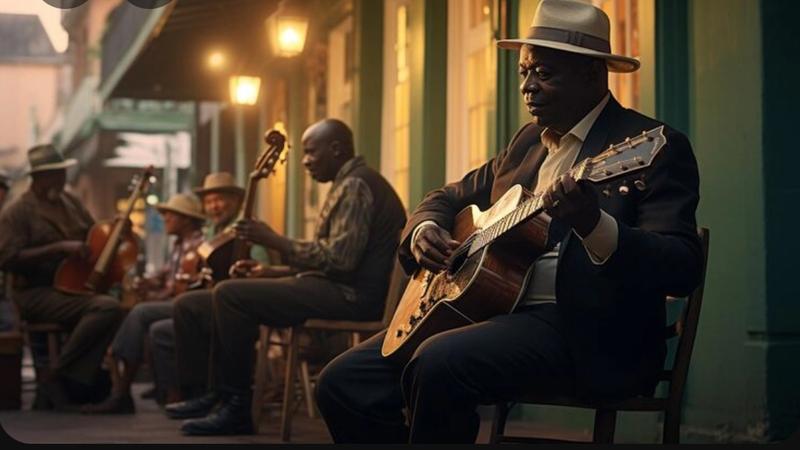
Photo Credit: Freepik
Despite its revival, palm wine music remains niche compared to Afrobeats’ global dominance. Few artists dedicate themselves fully to the genre, and commercial support is still limited. Without greater cultural investment, palm wine music risks remaining on the margins rather than achieving mainstream recognition.
Palm wine music may not command stadiums like Afrobeats, but its quiet return proves that tradition always finds a way back. With new listeners, digital tools, and dedicated artists, the genre is writing a new chapter in its journey.
Palm wine music is more than nostalgia; it is proof that Africa’s old sounds can always find new generations to keep them alive.
To explore more African insights,
Visit: Our Website