The Mask Speaks: African Masquerades as Theatre, Dance, and Spirituality

Titilayo Ifeoluwa
Click to view profile
Masquerades are more than just festivals in Africa; they're the vibrant pulse of a people, where the veil between the spiritual world and our own is lifted. These aren't just characters dressed up for a parade. They are a profound convergence of ancient traditions, sacred rituals, and spectacular performance art. They represent a living, breathing 'lifestyle' that connects generations, resolves disputes, and celebrates the very essence of community.
The mask itself is a portal, a physical manifestation of a spirit or ancestor stepping into our midst. Every element, from the intricate carving to the explosive dance, is a carefully orchestrated expression. It's a powerful and deeply personal form of communication. This 'inspiration' is what fuels the communities, bringing them together in a shared experience that is both mesmerizing and deeply meaningful.
Theatre on the Village Square
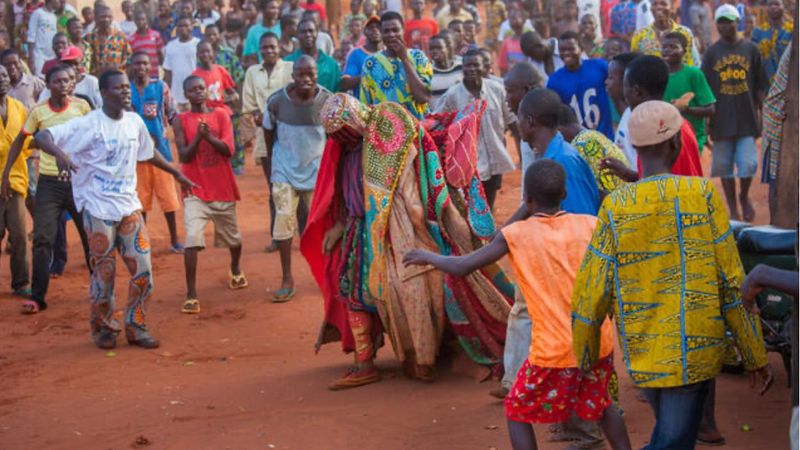
Photo Credit: Getty Images
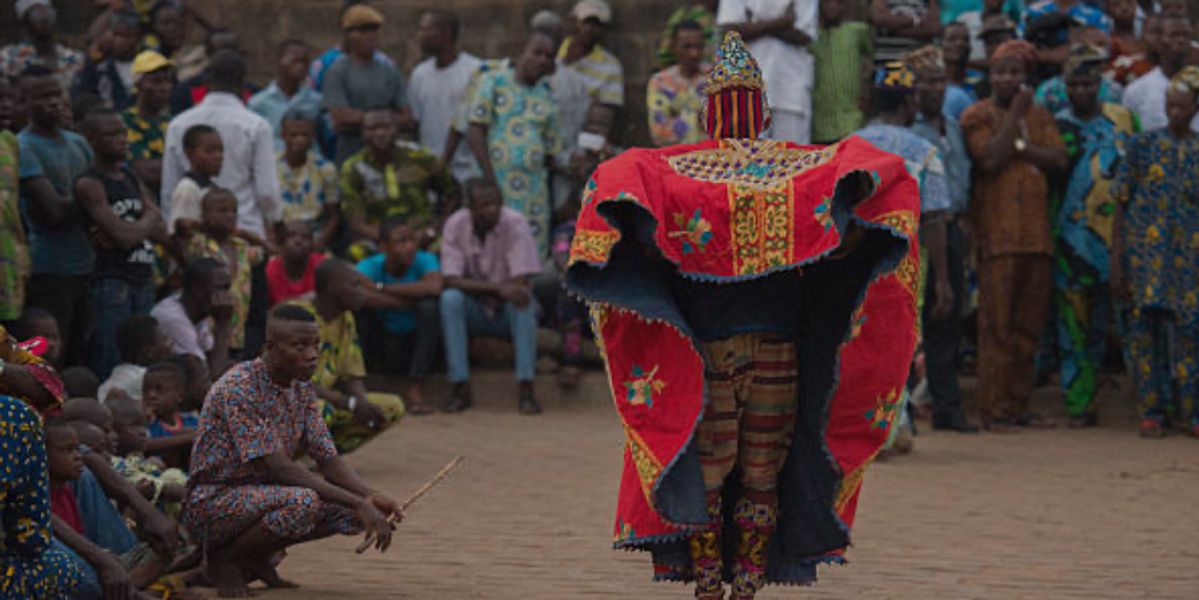
Masquerades are Africa’s oldest theatre. Long before scripted plays, they told stories of love, conflict, morality, and power through movement and costume. The Yoruba Egungun spins in layers of vibrant cloth, announcing the presence of ancestors. In Igbo villages, the Mmanwu might mock corrupt leaders or poke fun at scandal, using satire to keep society in check. Unlike the silence of European theatre halls, masquerades invite interaction — cheers, chants, and laughter from the crowd.
Different Faces of the Masquerade
Yoruba Egungun: The Ancestors Return
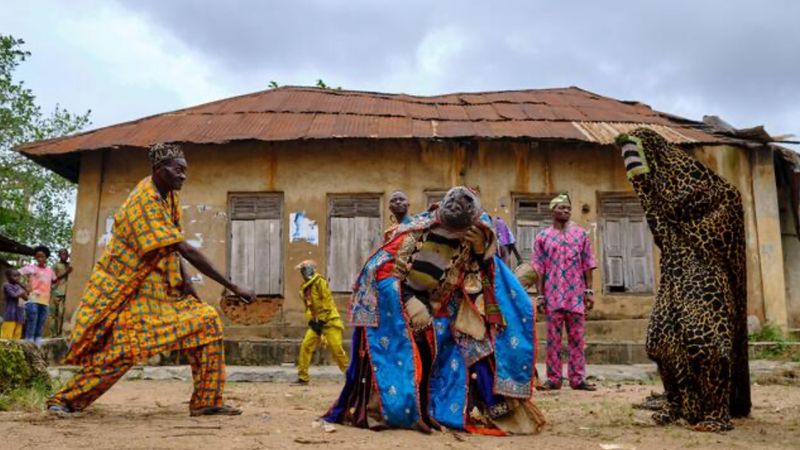
Photo Credit: Getty Images
Among the Yoruba people of Nigeria, the Egungun masquerade is one of the most important. Dressed in layers of colorful cloth that cover the whole body, the Egungun represents the spirits of the ancestors who come back to visit the living. When the Egungun dances, people believe it carries messages of blessing, warning, or guidance. The swish of its cloth is said to sweep away evil, while the chants remind the community of their roots.
Igbo Mmanwu: Masks that Teach and Entertain
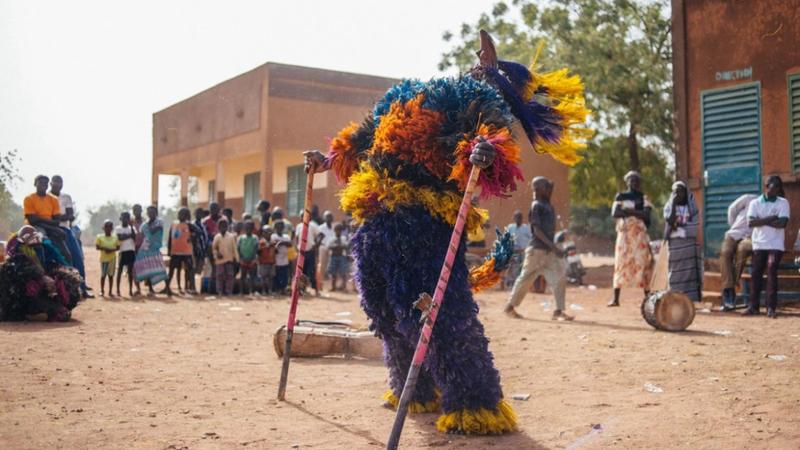
Photo Credit: Efik Eburutu
In southeastern Nigeria, the Mmanwu masquerade performs in the village square. Some appear frightening, with wooden masks and raffia costumes, while others are playful, joking with the audience. They act out stories, punish wrongdoers, and sometimes mock greedy leaders. For the Igbo, the Mmanwu is both a teacher and an entertainer, reminding people of moral values through performance.
Bamileke Elephant Masquerade: Strength and Royalty
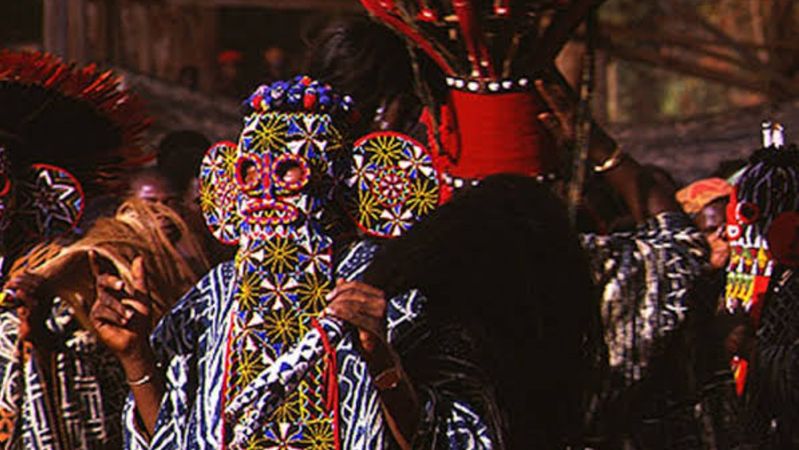
Photo Credit: Rand African ART
In Cameroon, the Bamileke people are known for the famous Elephant Masquerade, also called Tso. The performer wears a heavy beaded costume shaped like an elephant, moving slowly and powerfully. The elephant represents strength, wisdom, and royal authority. It is often performed at festivals or essential ceremonies to honor chiefs and ancestors.
Dance as the Language of the Spirit
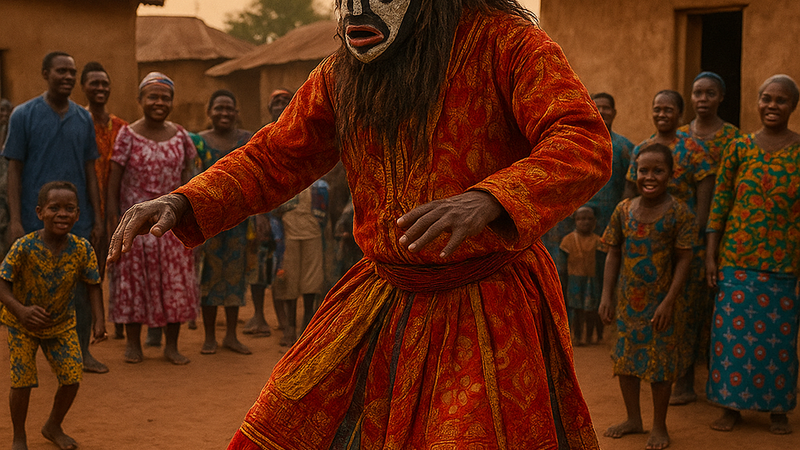
photo credit: Freepik
In masquerades, the mask does not merely cover the dancer but transforms him. Among the Dogon of Mali, stilt dancers leap impossibly high, honoring the dead and connecting the living with the cosmic order. Each step, twist, and jump is more than choreography; it is communication with the unseen. To dance in a masquerade is to speak without words, to make the invisible visible. Rhythm becomes prophecy, movement becomes memory.
Masks of Power and Spirituality
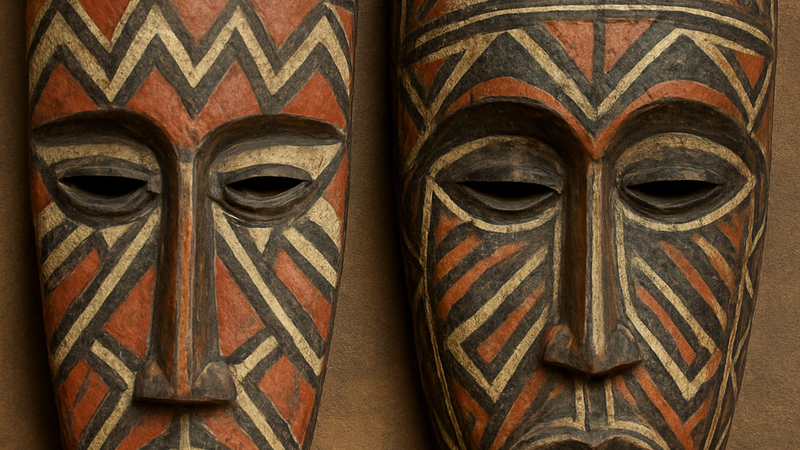
photo credit: Freepik
Every African mask has a message. In Burkina Faso, the Bwa people paint bold patterns on wooden masks - each line or symbol is like a prayer or a warning to the community. The Egungun masquerades of the Yoruba in Nigeria wear bright, flowing cloth that represents the presence of ancestors returning to guide and bless the living. Some masks look like animals - birds for wisdom, strong beasts for courage, or others for fertility and growth. To outsiders, these may appear to be costumes. But to the people, each mask is like a book; every design, color, and shape tells a story.
The Masquerade in Today’s World
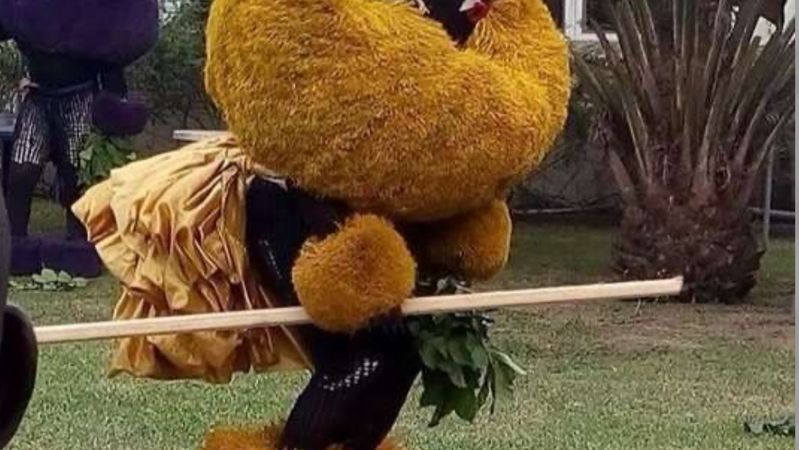
Photo credit: Efik Eburutu
Though rooted in tradition, masquerades have not remained in the past. Festivals like FESTIMA in Burkina Faso bring together masks from more than 50 communities across six West African countries, drawing close to 100,000 people, including 2,000 international visitors. In Nigeria, the Calabar Carnival has grown into Africa’s biggest street party, the 2024 edition attracted over 300,000 tourists and reached an astonishing Over 1.2 billion viewers worldwide through broadcast and streaming. These numbers show how masquerades have expanded from sacred village rituals into global cultural showcases.
Challenges and Survival
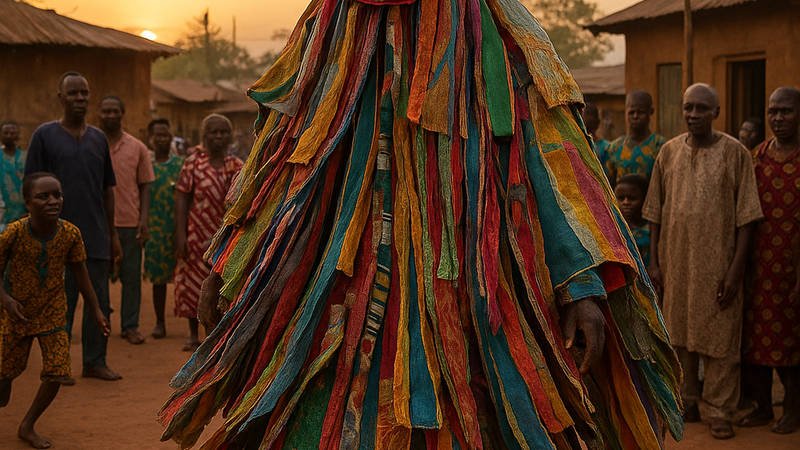
Photo credit: Freepik
In cities like Lagos, many young people no longer join masquerades. They are busy with modern life, school, or religion, and some only see masquerades on TV or in parades. At the Calabar Carnival, masquerades are sometimes treated more like costumes for entertainment than sacred symbols. As one cultural promoter said, “The world is watching, but the spirit is fading.
The masquerade is more than art. It is theatre, dance, and spirituality woven together. It brings ancestors back among the living, entertains the community, and teaches lessons. Whether performed in a village square or on the stage of an international festival, one truth remains: when the mask speaks, Africa listens.
For more related content: Visit our Website