The Great Migration: What Ancient Journeys Can Teach Us Today

Vera Ifechukwu
Click to view profile
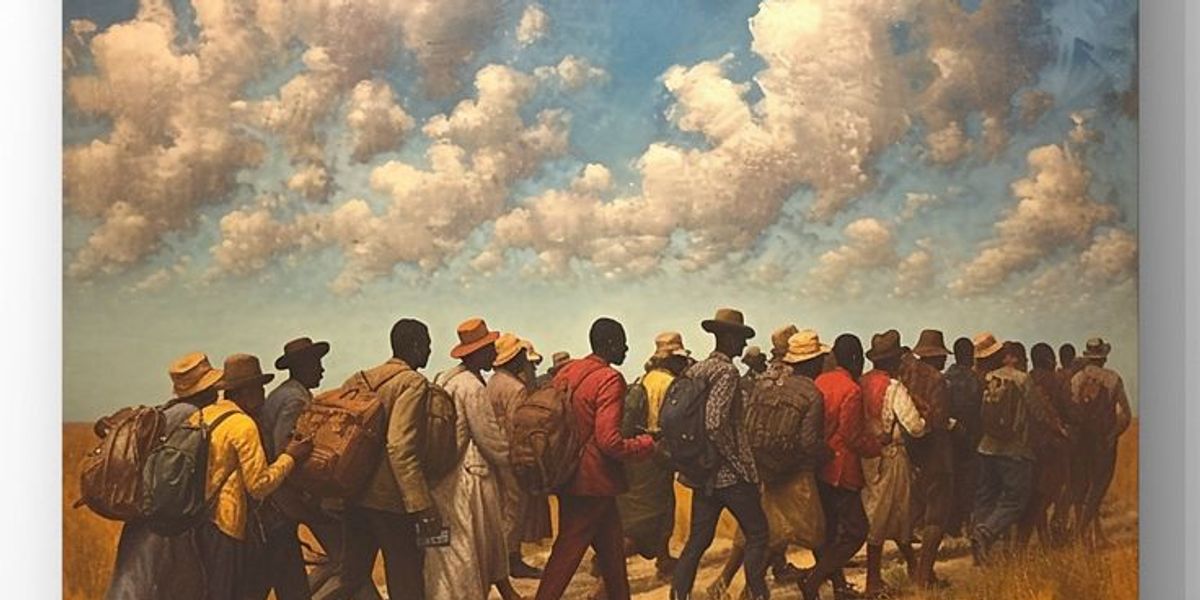
The story of Africa is, at its heart, a story of movement. For thousands of years, the continent has been a crossroads where journeys shaped identities, communities, and destinies. From the early footsteps of humanity to the great waves of cultural exchange, migration has always been central to Africa’s narrative.
Our shared history begins here. Our ancestors were the ultimate explorers. They left their homes in Africa and traveled into the unknown. Their journeys were not a choice, they were a necessity, they sought new lands, better resources, and a future for their families, this is a powerful, timeless truth. It is a fundamental part of the human experience.
Africa As The Cradle Of Humanity
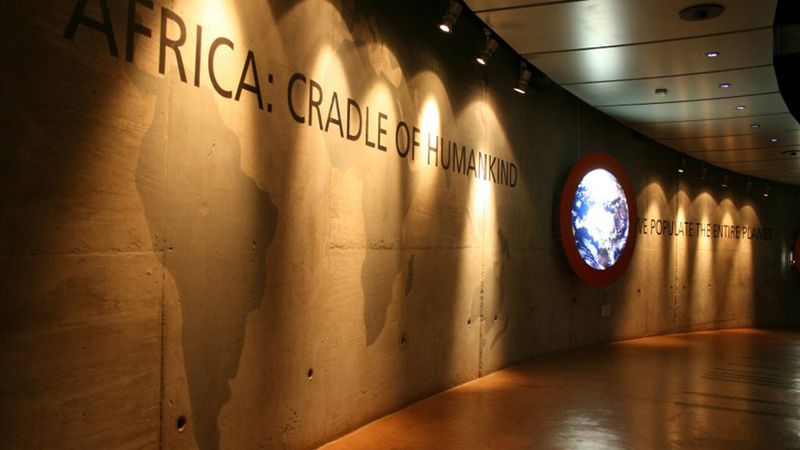
Photo Credit: SA-Venues
Anthropologists widely agree that Africa is the birthplace of humankind. Fossils like those of Australopithecus afarensis, found in Ethiopia, better known as “Lucy”, remind us of our shared beginnings. According to the “Out of Africa” theory, modern humans began migrating from Africa nearly 60,000 years ago.
These journeys carried our ancestors across deserts, rivers, and mountains into Asia and Europe. This early migration highlights resilience, adaptation, and survival. In today’s shifting world, those same qualities remain vital. Showcase Africa often emphasises how looking back at our origins helps us navigate contemporary challenges.
Nomadic Wisdom: Learning From Pastoral Journeys
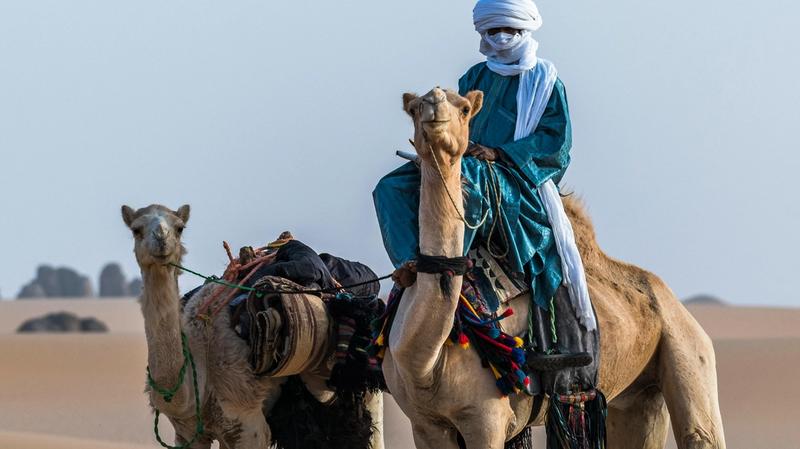
Photo Credit: Pexels
Across Africa, nomadic groups such as the Tuareg, Fulani, and Maasai have long led mobile lives. Their migrations follow the rhythms of rain, pasture, and community needs. These traditions embody flexibility, foresight, and resilience. While others see migration as disruption, nomads embrace it as a way of life.
In modern society, where careers and technology demand constant adaptation, the wisdom of nomadic cultures offers a valuable perspective. It shows us that migration is not just physical, but also mental and spiritual.
Ancient Trade Routes: Movement As Exchange
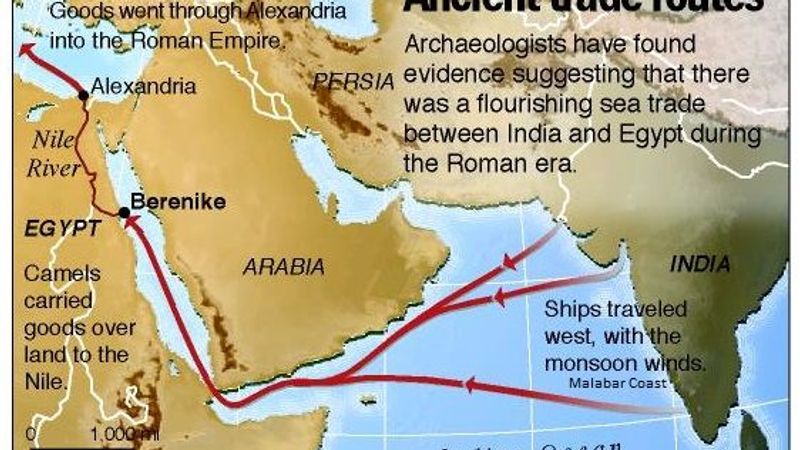
Photo Credit: SFBlau/Pinterest
Migration in Africa was not only about survival but also about connection. Ancient trade routes, such as the Trans-Saharan network, moved more than just goods. They carried languages, beliefs, and innovations. Gold, salt, and textiles flowed across deserts. With them came Islam, cultural ideas, and new technologies.
These migrations led to the establishment of cities like Timbuktu, which became a hub of learning and scholarship. Today, globalisation mirrors these ancient routes. The challenge is to ensure that exchange does not erase identity, but rather strengthens it. Showcase Africa highlights how cultural pride can coexist with global influence.
Pilgrimages: Spiritual Journeys That Unite

Photo Credit: JAYNE MCLEAN PHOTOGRAPHER
Migration has also been deeply spiritual. For centuries, African Muslims have travelled for the Hajj pilgrimage, crossing deserts and seas toward Mecca. However, beyond Islam, pilgrimages are deeply ingrained in African cultures. Sacred sites, such as Ethiopia’s Lalibela, with its rock-hewn churches, continue to draw believers.
These journeys teach us the value of collective faith and shared purpose. In an age of individualism, such movements remind us of belonging to something greater than ourselves.
Lessons from Ancient Resilience
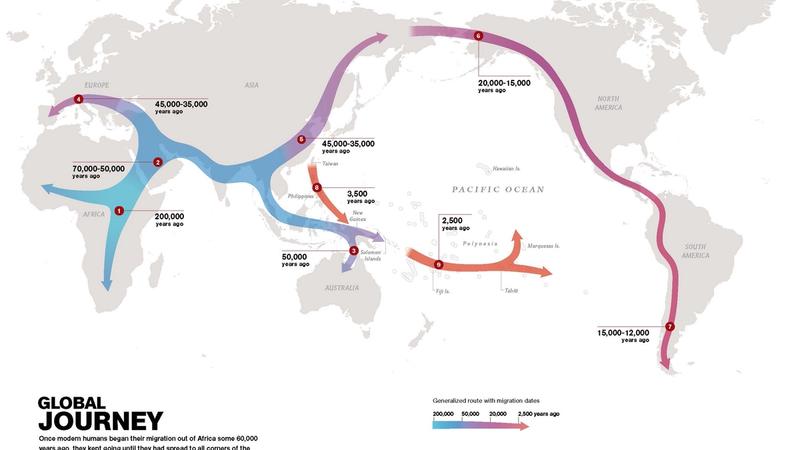
Photo Credit: National Geographic Education
Our ancestors faced incredible hardship, extreme weather, and battled wild animals; they overcame unimaginable obstacles. Their success was not an accident; it was the result of their resilience. They learned to work together, shared resources, relied on their collective knowledge, this is a crucial lesson for us today. The world faces complex problems. We can look to our past for answers.
The story of The Great Migration in Africa is a story of adaptation. Humans learned to thrive in different environments; they developed new technologies, created new languages and cultures. They did not give up; they kept moving forward. This ancient resilience is a source of inspiration, showing what is possible when we face challenges together.
Connecting the Past to the Present
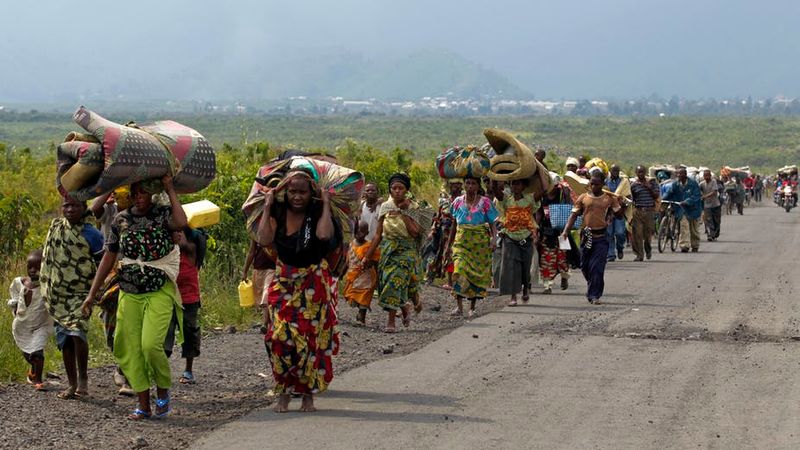
Photo Credit: AEFJN
Today, migration is a complex issue. Millions of people are on the move, seeking safety and new opportunities. The reasons for their journeys differ, yet the underlying human need remains the same. People want a better life; they want their children to have a better life. The ancient past can help us gain a deeper understanding of this. It can give us perspective.
We can see the same patterns. People flee conflict, seeking a better economic future, driven by an innate desire to survive. These are not new phenomena; they are part of our collective history. Understanding ancient migration can foster empathy. It can help us see the humanity in every migrant. Showcase Africa highlights these connections. It bridges the gap between history and the present day.
Practical Reflections For Modern Readers
The Great Migration in Africa offers more than history. It invites reflection and application in modern lives.
•Adaptability matters: Just as early humans survived harsh climates, we thrive by embracing change today.
•Cultural pride is key: Migration need not erase heritage. It can amplify cultural identity across new spaces.
•Resilience is essential: Forced or voluntary, migration stories highlight human strength.
•Movement connects us: Travel, study, and exchange mirror ancient routes of knowledge.
For anyone feeling lost in transition, these ancient journeys remind us that movement can create a sense of purpose.
Why Migration Still Captures Us
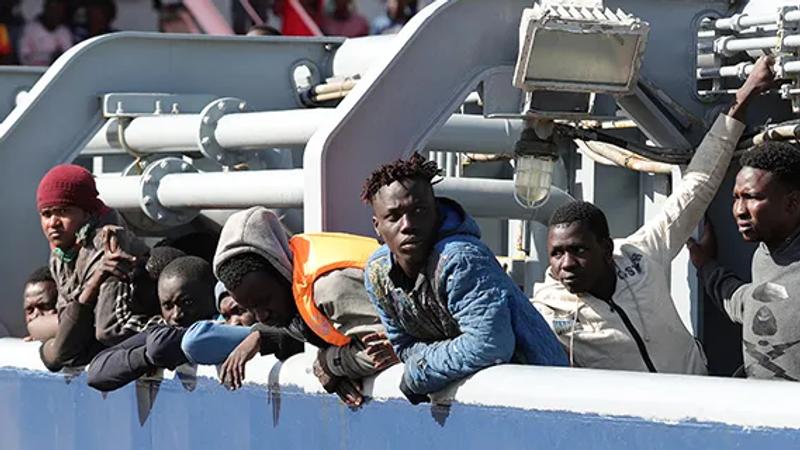
Photo Credit: Pew Research
Migration stories continue to inspire because they touch universal themes. Survival, discovery, resilience, and belonging resonate across generations. We need policies that are humane and effective, we need to remember our shared history, we are all descendants of migrants, and we are all part of The Great Migration Africa. This knowledge can guide us, it can help us build a more compassionate world, and it can lead to better solutions for today’s challenges. This is why Africa inspires the globe: its journeys are both ancient and ongoing, local and global, personal and collective.
The Great Migration in Africa is more than a movement; it is memory, identity, and future all in one.
Visit our website to explore more stories, insights, and updates on Africa’s living heritage.