
The Future of Work in Africa: Remote Opportunities and the Digital Economy

Andy Akinbamini
Click to view profile
More Africans are working from home as the continent embraces the future of work. The traditional nine to five office job is changing because of digital technology, creating many new remote work opportunities. This shift is completely transforming what work looks like for Africa's young population. Remote work isn't just about convenience, it's opening doors that were previously closed to many talented people.
This exciting change comes with real challenges that need solutions. Workers and managers must shift from counting office hours to measuring actual results and completed work. Internet connectivity and power supply problems still need fixing across many areas. Despite these hurdles, the potential benefits are enormous for unlocking talent and boosting economic growth.
Africa's Young Population Drives Digital Change
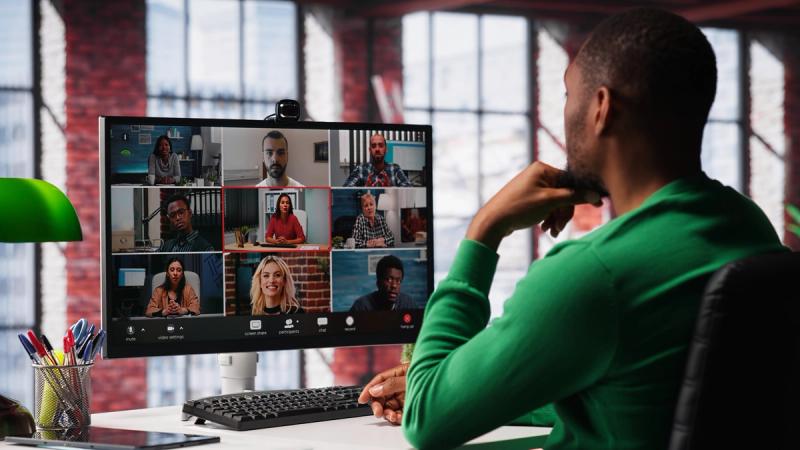
Photo credit: DC Studio/freepik
Africa isn't just following global digital trends, it's helping create them with the world's youngest population. People across the continent are already comfortable using smartphones for banking, learning, and staying connected with friends and family. This comfort with mobile technology makes switching to remote work much easier than you might think. The foundation for digital work is growing incredibly fast, and young Africans are leading the way in adopting new technologies.
Growing Internet Access Creates New Work Opportunities

Photo credit: freepik
Better internet connections are opening up amazing job opportunities for skilled African workers around the world. As of January 2024, Nigeria had more than 103 million internet users, the highest number reported all over Africa. A software developer in Lagos can now work for a company in Silicon Valley, while a data expert in Nairobi can help a European business. This access to international jobs and better pay is changing lives and creating a new group of digital workers who live locally but work globally.
Many Types Of Remote Jobs Are Available

Photo credit: freepik
The digital world offers a wide range of remote jobs that cater to various skills and interests. From writing computer code and digital marketing to helping customers online and creating graphics, there are endless possibilities. Platforms have successfully connected African professionals with top companies worldwide, proving that talent exists everywhere, even if opportunities don't. According to the World Economic Forum's Future of Jobs Report 2025, 64% of businesses in Sub-Saharan Africa see digital transformation as a key driver of job creation.
Internet Problems Still Need Solutions

Photo credit: freepik
The biggest challenge holding back remote work is still reliable, affordable internet access. In 2022, only 36% of Africans had access to broadband internet service, and high connection costs made the problem worse. It's hard to join video calls when the power goes out or when data is too expensive to buy regularly. Major investments are happening now to fix these problems, like new underwater internet cables that will make connections faster and cheaper.
Learning New Skills Is Essential For Success

Photo credit: wayhomestudio/freepik
To take advantage of these new job opportunities, people must focus seriously on developing digital skills. The demand is growing for people who understand technology, can analyze data, and know how to work well with online teams. The good news is that you don't always need an expensive college degree to learn these skills. E-commerce sales reached a record $ 4.065 billion in South Africa in 2023, a 29% increase from 2022, demonstrating the rapid growth of digital business.
Workers And Managers Need New Mindsets

Photo credit: freepik
Working remotely requires everyone to think differently about how work gets done. Managers who are used to seeing their team at desks need to learn to trust workers they can't see every day. This means judging success by the work that gets completed, not by how many hours someone sits at their desk. Workers also need to learn strong self-control and better communication skills to succeed when working from home without constant supervision.
To explore more African insights.
Visit: Our Website