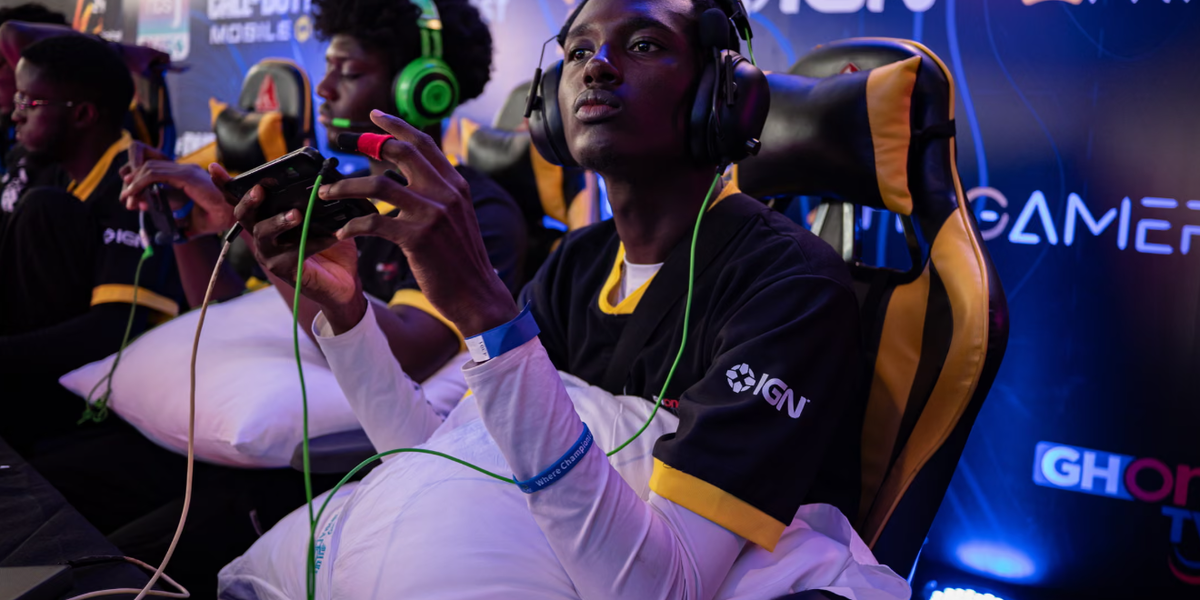
The Future of African Gaming & Esports

Andy Akinbamini
Click to view profile
The African gaming industry reached $1.8 billion in 2024, growing 12.4% and outpacing global averages by a factor of 6. With over 349 million gamers, 90% of whom play on mobile devices. This explosive growth integrates technology and entertainment, creating opportunities for developers, players, and investors who recognize Africa's demographic advantage.
Countries such as Nigeria, South Africa, and Egypt lead the way, hosting tournaments that attract international attention and corporate sponsorships. The fusion of affordable smartphones, improving internet infrastructure, and passionate youth communities positions African gaming as a billion-dollar industry, reshaping global entertainment dynamics.
Mobile Gaming Dominates with 90% Market Share
Mobile games accounted for 90% of Africa's gaming revenue in 2024, reaching $1.6 billion as 304 million players chose smartphones over expensive consoles. Affordable devices from brands like TECNO and Infinix democratised access, offering features such as long battery life and offline gaming capabilities.
Mobile payment platforms, including M-Pesa and Flutterwave, enable seamless in-app purchases, accelerating the shift from free-to-play models to sustainable monetization ecosystems.
Nigeria Leads Continental Revenue at $300 Million
Nigeria generated $300 million in gaming revenue during 2024, powered by its 220 million population and robust fintech infrastructure. The country's 14.7 million gamers engage primarily with mobile titles, benefiting from telecommunications operators bundling zero-rated gaming traffic.
Lagos, Abuja, and Port Harcourt serve as esports hubs where competitive gaming, streaming, and local game development studios create culturally relevant content that resonates beyond borders.
Trends Point Toward $10 Billion Market Valuation by 2033
Africa's gaming market is projected to reach $10.81 billion by 2033, growing at a 19.96% compound annual growth rate. This trajectory mirrors Southeast Asia's evolution into a $10 billion market, suggesting Africa could achieve fivefold growth within a decade.
Strategic investments in content creation, esports infrastructure, and digital payment integration will accelerate this expansion, enabling developers to create localized games that reflect African cultures and languages.
Esports Tournaments Attract International Recognition and Sponsorship
The African Esports Championship and Gamr X tournaments draw thousands of participants from across the continent. South Africa officially recognised esports as a sporting code, enabling players to receive national colours through Mind Sports South Africa.
Major brands like MTN and Coca-Cola sponsor events, providing prize pools that make competitive gaming a viable professional career path for talented African youth.
Local Developers Create Culturally Relevant Gaming Experiences
Studios such as Maliyo Games, Leti Arts, and Kucheza Gaming produce titles that incorporate African folklore, languages, and aesthetics. Whot King reached 3 million downloads, demonstrating demand for games that reflect local contexts. Carry1st secured $50 million in Series C funding, signalling investor confidence in the potential of African gaming and supporting more developers through its publishing platform.
Investment Opportunities Emerge Across Content and Infrastructure
Venture capital increasingly targets the African gaming industry, recognising untapped potential in content creation, esports development, and payment solutions. Google launched its Game Developer Support Program, offering mentorship and funding to African studios aiming for global reach.
International publishers like Ubisoft collaborate with South African developers, validating local creative talent and positioning esports in Africa as a legitimate investment destination for serious capital allocation.
African gaming industry surges past $1.8 billion. Esports Africa transforms entertainment through mobile platforms and youth engagement.
Visit our Website for more insight into Africa.