The Evolution of African Comedy & Stand-Up Culture

Andy Akinbamini
Click to view profile
African comedy has undergone a remarkable journey, transforming from simple oral traditions around fireplaces to massive, sold-out stadium tours and billion-view YouTube channels. What started as community storytelling has evolved into a multi-billion-dollar entertainment sub-industry, commanding global audiences.
This growth is accelerating as African comedians leverage technology, professionalize their operations, and expand their international reach. Standup Africa now competes globally, using humor that cleverly blends entertainment with activism to address complex issues like politics, gender roles, and cultural identity with a voice that resonates everywhere.
Traditional Roots and Performance Evolution
African comedy finds its origins in oral storytelling traditions where griots, praise singers, and village entertainers used humour to convey wisdom, critique power, and unite communities. These performers mastered the art of reading audiences, adapting material to contexts, and using physical comedy, transcending language barriers. Standup Africa emerged as comedians transitioned from traditional settings to modern stages in comedy clubs, theatres, and corporate events.
Nigeria's Skit Economy Transforms Digital Entertainment
Two-thirds of Nigerians frequently watch comedy skits, which serve as a form of stress relief and social commentary, according to the 2024 book Skit Economy. The industry is Nigeria's second-largest employer of youths after agriculture, with over 1 million people employed, and represents the country's third-largest entertainment sector valued at over $31 million.
Regional Comedy Scenes Develop Distinct Identities
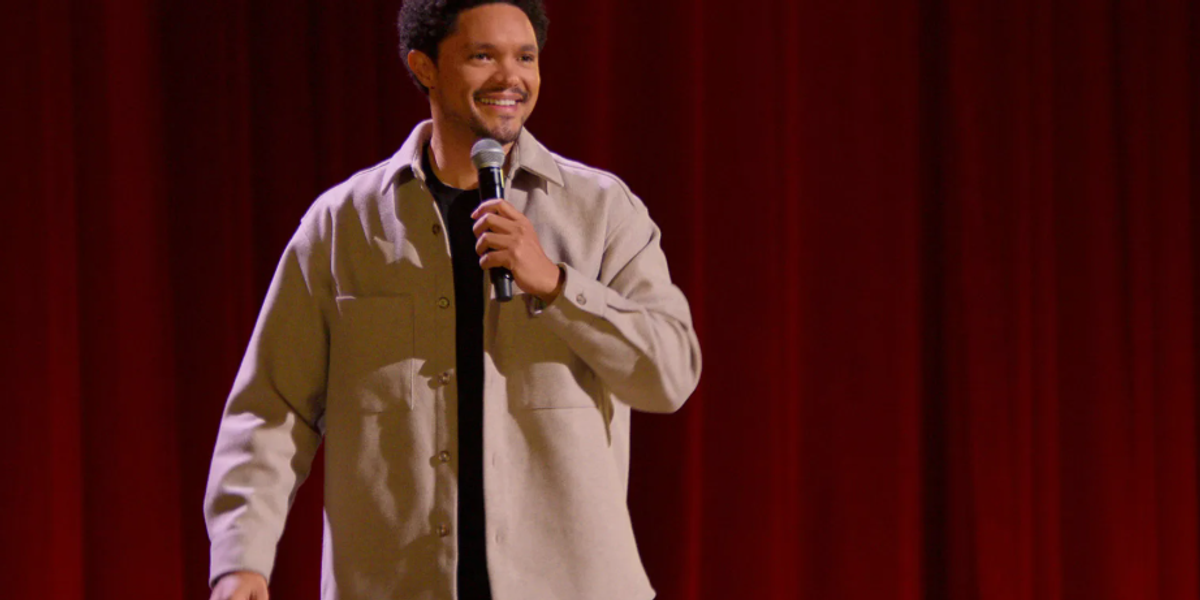
South African comedy addresses apartheid legacies, racial dynamics, and political satire through performers like Trevor Noah, Loyiso Gola, and Tumi Morake, who blend observational humor with social critique. Nigerian standup and skit comedy focuses on everyday struggles, cultural quirks, "African parent" stereotypes, and political dysfunction through exaggerated characters that mirror societal realities.
Revenue Models Supporting Professional Comedy Careers
African comedy generates income through multiple revenue streams, including ticket sales from live performances, platform monetisation from YouTube and TikTok advertising, brand endorsements leveraging social media followings, and merchandise sales. Mark Angel Comedy reached 9.53 million subscribers, proving the commercial viability of online African comedy.
Comedians with over one million followers earn substantial income per sponsored post, and partnerships with telecommunications companies, consumer brands, and streaming platforms provide consistent revenue supporting content production.
International Recognition and Global Expansion
Trevor Noah's tenure as host of The Daily Show established African comedy's legitimacy on the biggest satirical platform in American television. Netflix's investments in African comedy specials, including productions from Basketmouth, Trevor Noah, and Loyiso Gola, provide global distribution and validate their commercial appeal.
Standup Africa now features on international comedy circuits, with African comedians performing at the Edinburgh Fringe Festival, Just for Laughs Montreal, and Melbourne International Comedy Festival alongside Western counterparts.
Practical Strategies for Aspiring African Comedians
Emerging comedians should begin by performing at open mic nights, comedy clubs, and campus events, building stage time and refining material through audience feedback.
Study successful comedians analysing their timing, delivery, audience engagement techniques, and how they structure routines, building to punchlines. Develop a unique comedic voice that reflects personal experiences and perspectives, rather than imitating Western comedy styles that lack cultural authenticity.
Infrastructure and Policy Support Driving Industry Growth
The comedy sub-industry requires continued investment in venues that provide affordable performance spaces for emerging talent developing their craft. Governments should recognise comedy's economic contributions through tax incentives, copyright protections preventing unauthorised content redistribution, and cultural grants supporting comedy festivals and training programmes.
Telecommunications companies and streaming platforms can invest in African comedy through content acquisition deals, production funding, and infrastructure support, improving internet access and reducing data costs.
Explore the evolution of African comedy from traditional storytelling to the global standup Africa phenomenon. Discover how comedic storytelling drives cultural and economic transformation.
Visit our website for more updates.