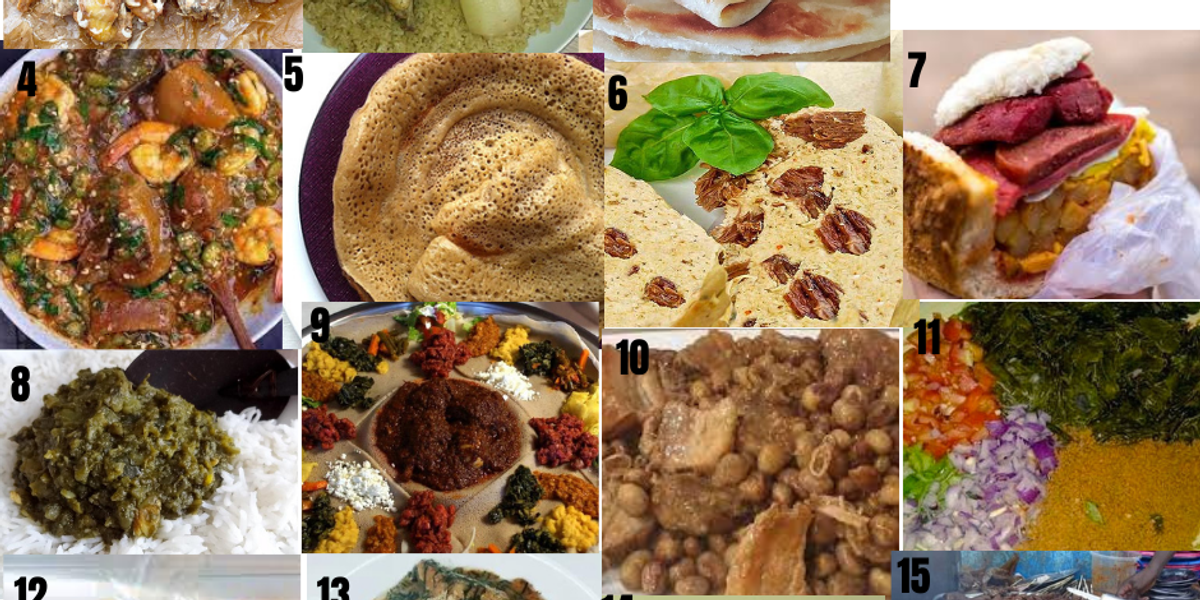
The Culinary Trails of Africa: Tasting Your Way Across the Continent

Vera Ifechukwu
Click to view profile
Journeying from spice markets to coastal kitchens, Africa offers an unforgettable tapestry of aromas, colours, and tastes. The tapestry is woven by chefs, families, and vendors whose voices deserve to be heard by Africans and by the world, so the world can understand and appreciate the depth of heritage behind every dish.
This article blends food, travel, and culture in a documentary style, tracing the rise of culinary tourism in Africa and highlighting emerging trends and developments. At Showcase Africa, we believe the continent’s flavours can shape tourism, business, and identity like never before.
The Rise Of Culinary Tourism In Africa

Photo Credit: Magazine Luiza
Culinary tourism in Africa is rapidly transitioning from a niche experience to a mainstream travel motive, driven by growing interest in authentic food travel. A recent report forecasts the Middle East & Africa culinary tourism market to grow at a compound annual growth rate of 20.8 percent between 2024 and 2030. African nations are beginning to recognise cuisine as both culture and a commercial opportunity.
Discovering Regional Food Travel Experiences

Photo Credit: Sanjana Feasts
From North Africa’s tagines simmering with saffron and almonds to West Africa’s jollof recipes infused with history, the continent is rich in variety. For example, Uganda’s popular street-food dish “Rolex” wraps an omelette and vegetables in chapati, illustrating how everyday food carries cultural meaning. Travellers who pursue food travel in Africa find stories in each bite and connections in each meal.
Food Festivals And Culinary Events Driving Awareness
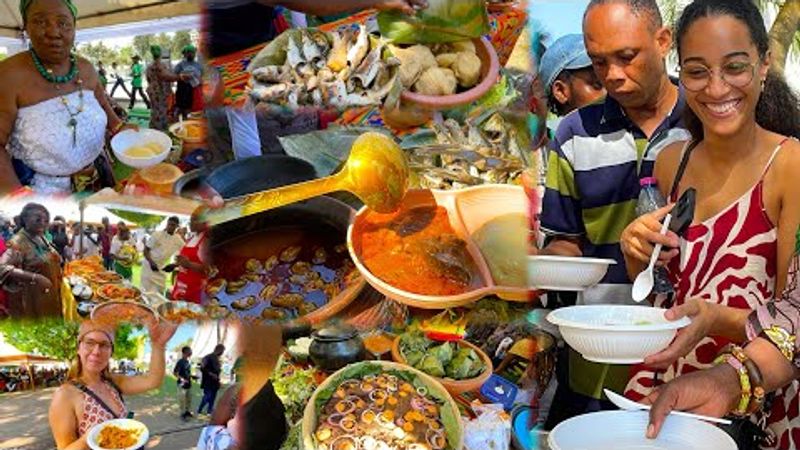
Photo Credit: YouTube
Across Africa, food festivals are turning flavours into tourism magnets, attracting chefs, media, and visitors from across the globe. Events such as Ghana’s AfroGastro and Kenya’s street-food celebrations reflect how culinary tourism in Africa is being framed as a cultural export and economic booster. These gatherings invite locals and visitors alike to savour heritage and support transformation.
Sustainable Practices And Local Empowerment Through Cuisine
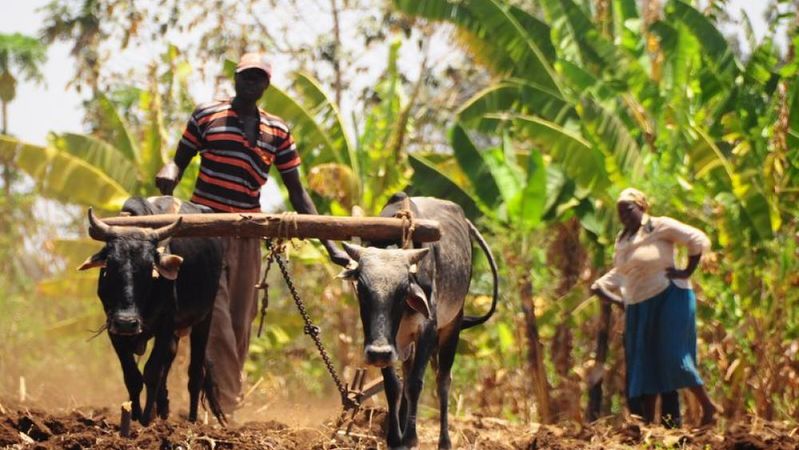
Photo Credit: The Ecologist
Food travel in Africa is increasingly about ethical sourcing, local empowerment, and sustainability. Many dining experiences in Africa now highlight community-grown produce, traditional farming methods, and low-impact operations. When travellers choose experiences that prioritise local voices, they help reinforce the belief that Africa’s voices deserve to be heard by Africans, not just for global appreciation.
Challenges In The Expansion Of Culinary Tourism
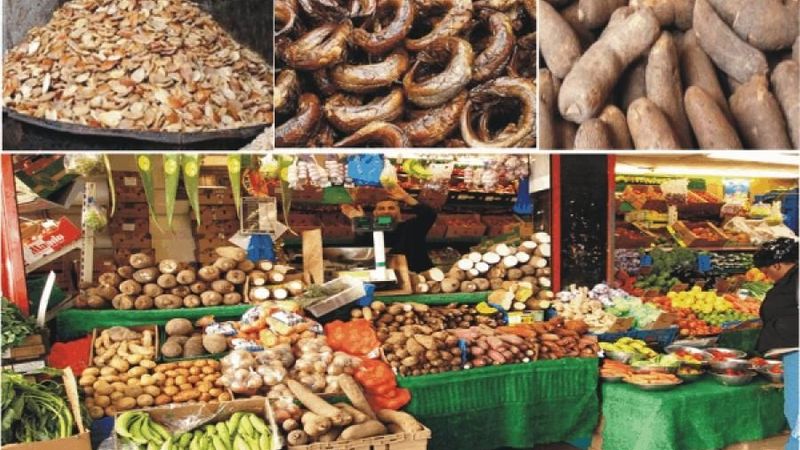
Photo Credit: Captworld Printing Services
While the opportunity for culinary tourism in Africa is vast, obstacles remain: uneven infrastructure, market access disparities, and skills shortages among local food entrepreneurs. A comprehensive analysis of food market accessibility revealed significant gaps in rural areas across the continent. Addressing such issues is essential for building a truly inclusive food travel Africa ecosystem.
Business And Economic Impact Behind The Flavours
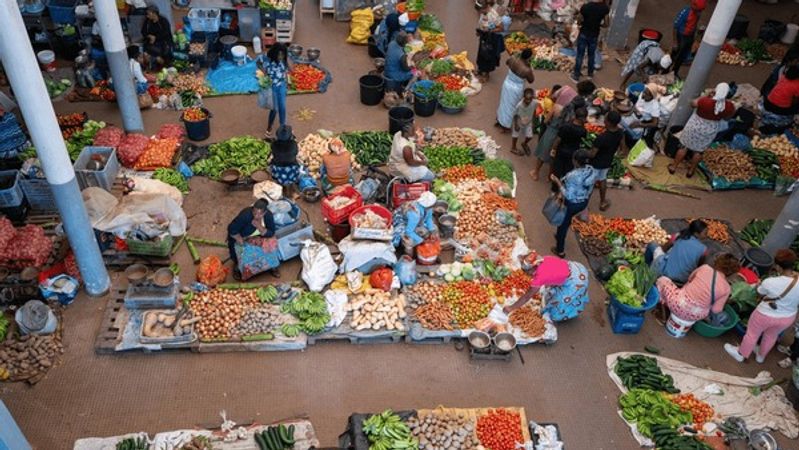
Photo Credit: Shutterstock
The growth of culinary tourism in Africa is not just experiential but also economic. Analysts estimate the African gastronomic market could be worth billions by the end of the decade. When food travels in Africa, it becomes integrated into trade, culture, and tourism, offering new livelihoods and market access for farmers, chefs, and artisans.
Practical Tips For Food-Focused Travel Across Africa
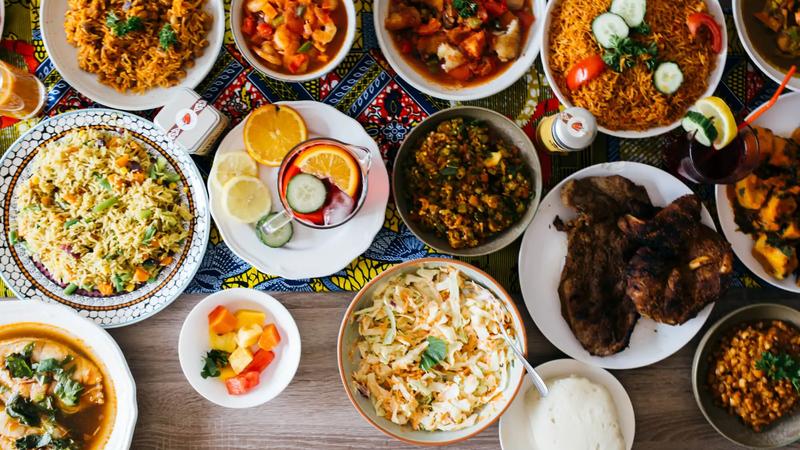
Photo Credit: Voyages Afriq
• Research local culinary events and festivals so you can align your trip with the best food travel Africa moments.
• Prioritise experiences that feature local chefs, community kitchens, and small producers rather than generic dining.
• Ask about sourcing: meals that use local and seasonal ingredients resonate more deeply with culture and sustainability.
• Be respectful of local food customs, dietary norms, and cultural contexts - it magnifies the genuine connection.
• Share your culinary travel stories ethically: highlight local businesses, credit chefs, and uplift African food voices.
Updates And Trends Shaping Africa’s Culinary Trail. In 2025, the momentum behind culinary tourism in Africa is strengthening: more food-tourism programmes, growing festival participation, and expanding global interest. More travellers are choosing destinations not only for scenery but for flavours, heritage, and culture. Through these trends, Showcase Africa provides valuable updates and insights for those seeking meaningful food journeys.
Explore food travel in Africa through vibrant flavours, cultures, and landscapes as culinary tourism across the continent comes alive.
Visit our website to explore destination guides and immersive food travel experiences in Africa that blend flavour, culture, and connection.