The City as a Canvas: Lagos Streets Where Art Speaks Louder than Words

Titilayo Ifeoluwa
Click to view profile
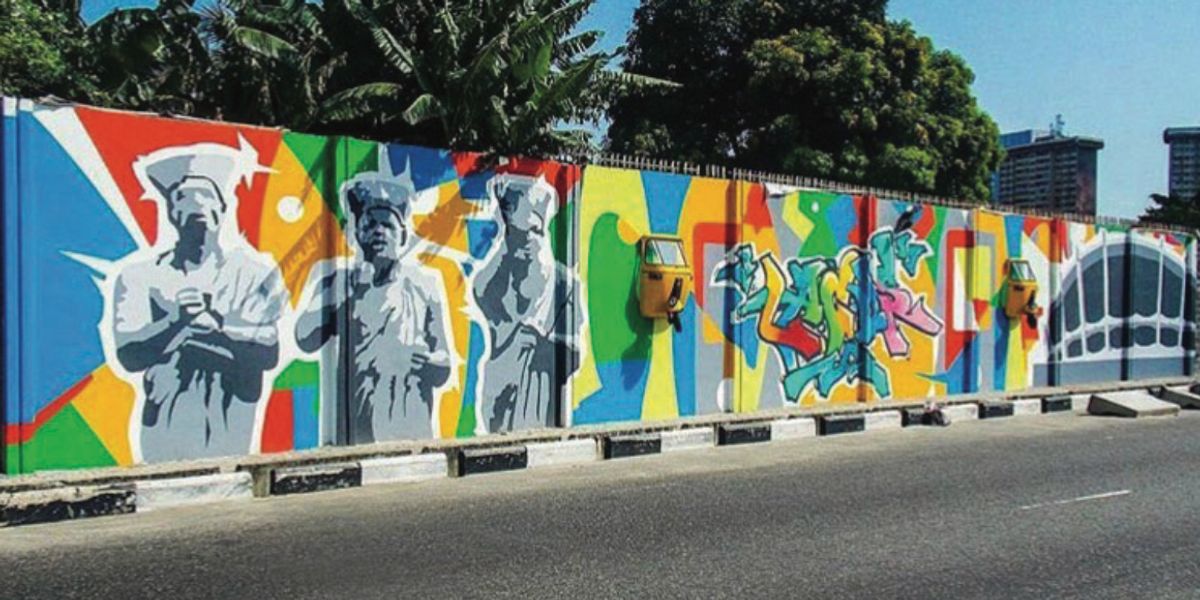
You probably think street art is just messy scribbles on walls tags, random colors, meaningless shapes. You probably haven’t stopped to wonder what Lagos is saying through them. Most of the city’s stories aren’t in newspapers or on billboards they’re painted, sprayed, and etched onto walls across neighborhoods you pass without a second glance.
Lagos is a storyteller, but few notice. From murals honoring reputable individuals to wings at the Lekki Toll Gate, the streets speak of protest, culture, and everyday heroes. Every wall carries a message, yet most walk by thinking it’s just decoration. What they don’t realize is that Lagos isn’t just a city of chaos it’s a city that tells its own story, louder than words.
The Walls of Lagos
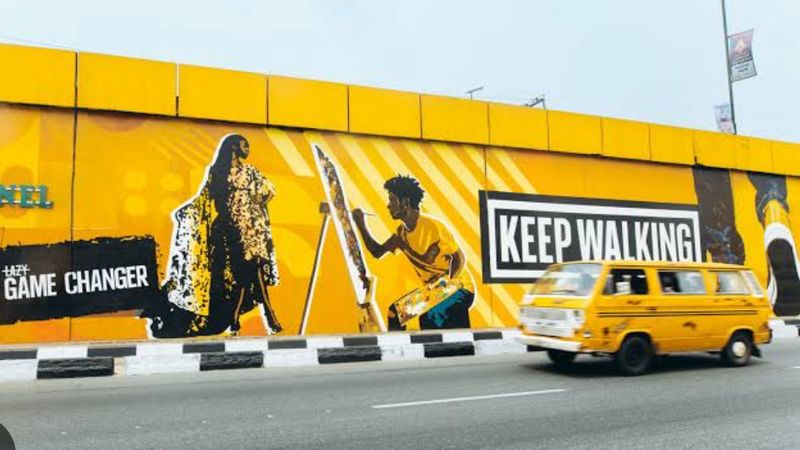
Photo Credit: BellaNaija
Lagos is not a city of blank walls. Every bridge pillar, market fence, and flyover surface holds layers of expression. In Mushin, graffiti bursts with slang and bold colors, reflecting the city’s raw energy. In Victoria Island, sleek murals brighten cafés and tech hubs, showing how art blends into the city’s corporate pulse. In Surulere, portraits of icons cover neighborhood walls, transforming them into living memorials. Ojuelegba Bridge, with its mural of Fela Kuti, doesn’t just honor music it keeps alive the rebellious spirit he embodied.
As The Guardian reported, Nigeria’s street art became more than decoration during #EndSARS- it became memorials, rallying cries, and tools of advocacy. In Lagos, to walk past a wall is to walk past history, protest, memory, and identity written in paint for all to see.
Art as Protest and Resistance
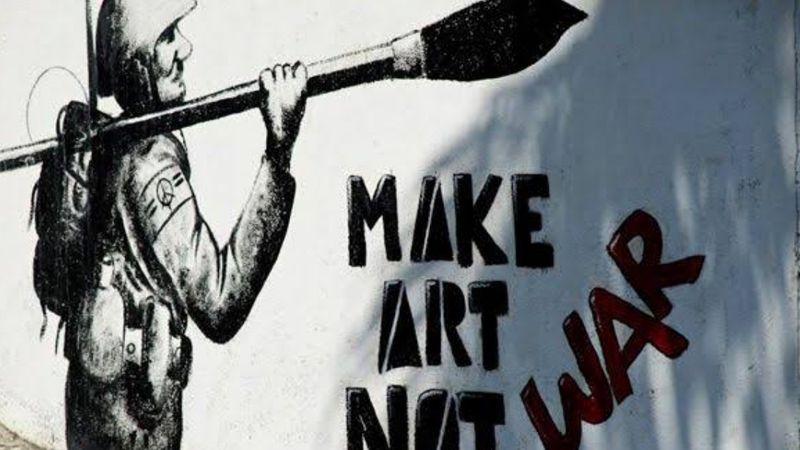
Photo Credit: Pinterest
Street art in Lagos thrives during moments of struggle. Ojuelegba still carries murals of clenched fists and the words Sóró Sókè. At Lekki, wings painted on walls allowed mourners to pose as “angels,” honoring those who died. Just as Fela once used music to challenge power, today’s youth use spray paint and murals to reclaim neglected spaces. Through “artivism,” murals reframed police brutality as systemic injustice, mobilizing both local and global support. This creative resistance is rigorously examined in MDPI’s study on #EndSARS, which shows how protest art personalized suffering and demanded accountability.
The Business of Street Art
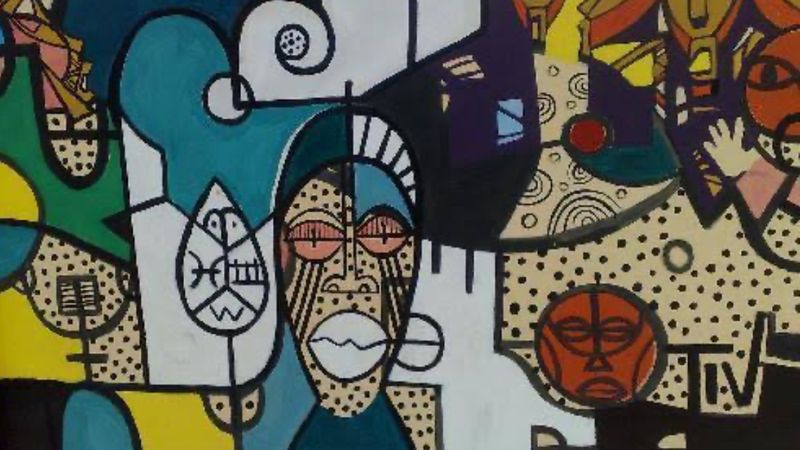
Photo Credit : TripAdvisor
In recent years, corporations have discovered the power of Lagos walls. Pepsi has sponsored giant murals during Lagos festivals, while MTN has used graffiti to advertise youth-focused campaigns. Nigerian Breweries once filled Surulere with colorful murals ahead of a music concert.
For artists, this can mean income, exposure, and recognition. But it also raises an uneasy question: when the same walls carry both protest art and corporate ads, can activism and marketing truly coexist? As BusinessDay Nigeria notes, art-business partnerships are reshaping the future of African creativity, blending sustainability with expression.
The Artists Behind the Walls
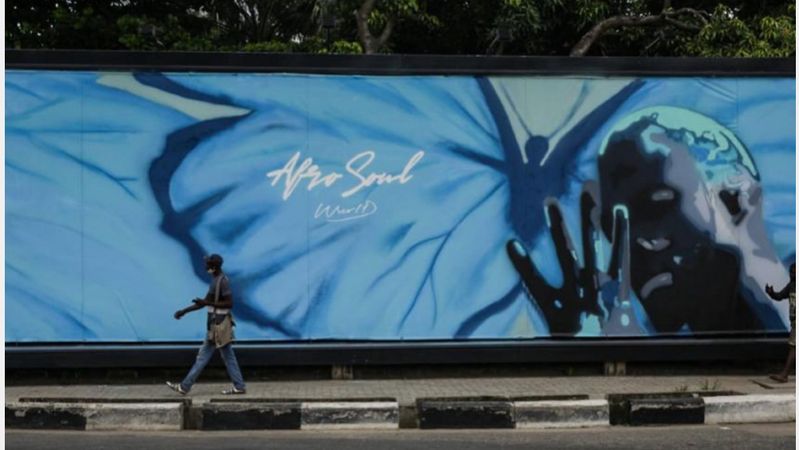
Photo Credit: Osa Seven
Lagos street art is no longer anonymous. Osa Seven, famous for his giant murals of Nelson Mandela and Fela Kuti, has pushed Lagos graffiti into global recognition. Young talents like Ayogu Kingsley bring hyperrealistic paintings to public spaces, blurring the line between fine art and street art. Many of these artists began with little spray cans bought on a tight budget, nights spent running from security guards but today, they headline art festivals and gain international commissions.
Their stories mirror the resilience of the city itself: from hustle to recognition, from being dismissed as vandals to being celebrated as cultural icons.
The Global Stage
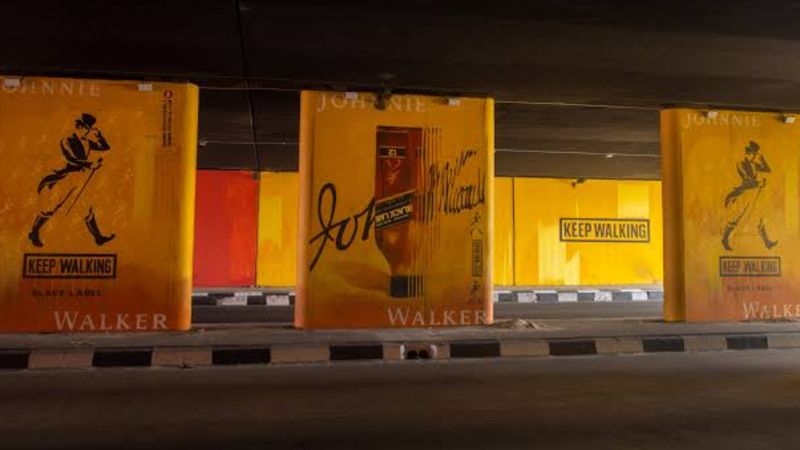
Photo Credit: BellaNaija
Street art has become one of Lagos’s newest cultural exports. Events like Art X Lagos and the Lagos Biennial have given murals a stage alongside traditional fine art. On Instagram, Lagos walls travel far beyond Nigeria, their images shared in Europe, America, and across Africa.
Institutions also play a role. The African Artists’ Foundation has championed street-inspired creativity through LagosPhoto, while Terra Kulture curates exhibitions that bring grassroots art into the mainstream. A city once seen only for its traffic and noise is now gaining recognition for its creativity and visual storytelling.
In Lagos, walls are never just walls. They are diaries, memorials, advertisements, and dreams. Some carry protest, others celebration, but together they form the heartbeat of the city. Lagos may be noisy with traffic and chaos, but sometimes, the loudest voices are the painted ones.
Lagos, even the walls are alive.
To explore more African insights,
Visit: Our Website