
The Business of Beats: How African Producers Are Monetizing Their Sound

Titilayo Ifeoluwa
Click to view profile
African producers are no longer the unsung heroes behind hit songs they are now central figures in shaping the continent’s global music identity. As Afrobeats, Amapiano, and Afro-fusion dominate playlists worldwide, the architects of these rhythms are learning to turn their craft into sustainable income. Once limited to local studio sessions and artist collaborations, beat-making in Africa has evolved into a serious business powered by technology, innovation, and global recognition.
Today’s African producers are entrepreneurs. From Lagos to Johannesburg, Accra to Nairobi, they are using digital platforms, brand partnerships, and intellectual property rights to secure financial independence. But the journey hasn’t been easy it’s a story of creativity meeting commerce, of sound meeting strategy, and of a continent finally realizing that beats, like oil and art, are valuable exports.
The Evolution of the African Producer
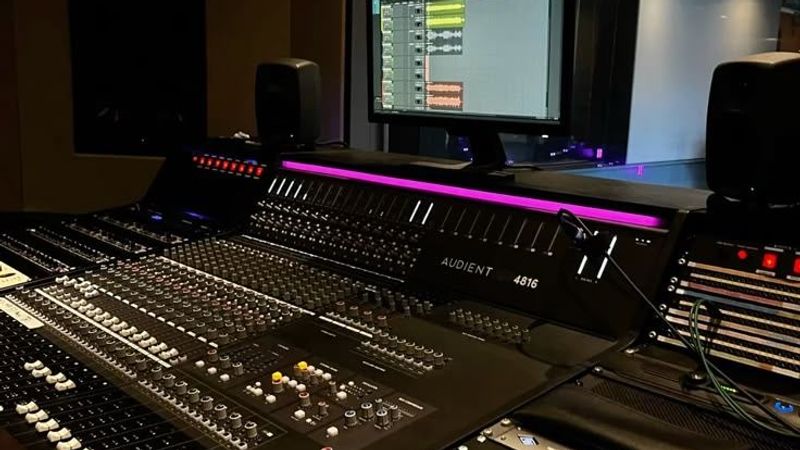
Photo Credit: Symii V./ Pinterest
In the early 2000s, producers were often background figures, barely credited or compensated for their contributions. But the digital era changed everything. Affordable software, online tutorials, and accessible recording tools gave rise to a new generation of self-taught creators. Legends like Don Jazzy, Sarz, and Masterkraft in Nigeria, or DJ Maphorisa and Kabza De Small in South Africa, set the stage for a new era, one where producers became brands. Today, producers not only define genres but also influence cultural trends. A single producer’s sound can launch a new wave of music, as seen with Amapiano’s global takeover.
The New Age of Production
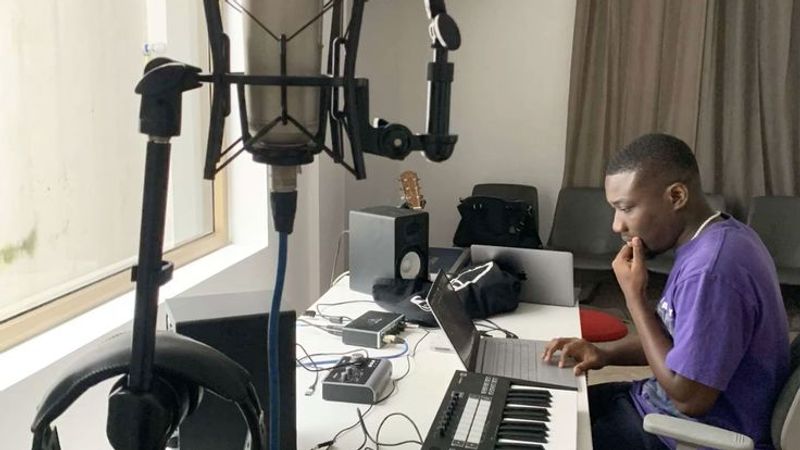
Photo Credit: Priscyyy/ Pinterest
Technology has transformed how African producers create and share their craft. Once limited by access to expensive studios, producers today rely on affordable Digital Audio Workstations (DAWs), such as FL Studio, Logic Pro, and Ableton Live, to create global hits directly from their laptops. This digital shift democratized music production, enabling anyone with the right skill and a clear vision to compete globally. The accessibility of online tutorials, virtual collaborations, and remote mixing tools has opened creative doors.
Streaming Platforms: The Digital Payday
Photo Credit: Pinterest
Streaming platforms such as Spotify, Boomplay, Apple Music, and Audiomack have revolutionized how African producers earn. Through royalties and publishing splits, they can now profit from every stream, whether their beats back a chart-topping song in Lagos or a remix trending in London. According to the International Federation of the Phonographic Industry (IFPI), recorded music revenues in Sub-Saharan Africa increased by 22.6% in 2024, surpassing US$110 million for the first time, primarily driven by subscription streaming. In addition, Spotify royalty payouts to Nigerian and South African artists reached record highs, with Nigerian artists earning over ₦58 billion ($38 million) and South African artists earning R400 million ($21 million) in 2024.
Branding Beyond the Studio

Photo Credit: Ayomide Sodiq/ Pinterest
African producers are realizing that branding is just as valuable as producing. Many now host workshops, endorse music gear, or sell their sample packs online. Don Jazzy, for instance, transformed from producer to full-scale entrepreneur with Mavin Global, nurturing stars like Ayra Starr and Rema. Others are collaborating with fashion labels and tech companies, merging lifestyle and music culture. Their beats are no longer just sounds; they are statements of African creativity, used in ad campaigns, films, and global festivals.
The Rise of Producer-Owned Labels
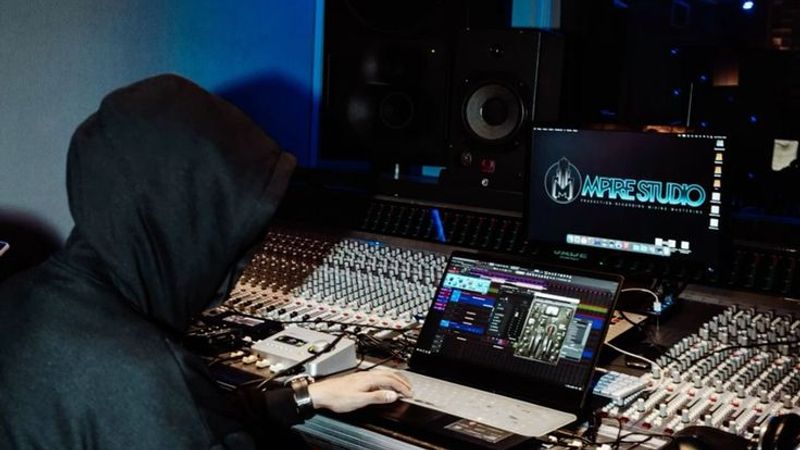
Photo Credit: Victoria Stephenson/ Pinterest
A new generation of producers is moving from beat-making to business management. Across Africa, producer-owned labels like The Plug (Nigeria) and Kalawa Jazmee (South Africa) are creating platforms for young artists while retaining control of their publishing rights. This shift ensures that producers not only profit from one-off production fees but also earn long-term royalties, distribution cuts, and brand partnerships, creating a more sustainable creative economy.
Brand Partnerships and Sync Deals
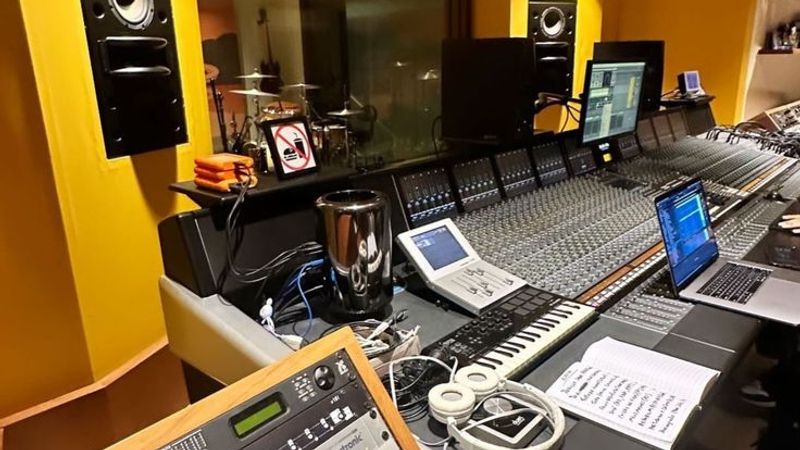
Photo Credit: Nat Foire/ Pinterest
One of the fastest-growing income sources for African producers is brand collaboration and sync licensing, placing their music in films, commercials, and video games. For example, Master KG’s “Jerusalema” not only topped global charts but was used in advertisements, dance challenges, and TV segments across continents. Companies now seek African soundscapes to add authenticity to their campaigns. Producers are responding by building publishing networks and registering with royalty collection bodies, such as COSON (Nigeria) and SAMRO (South Africa), to ensure they receive payment.
The Pan-African Connection
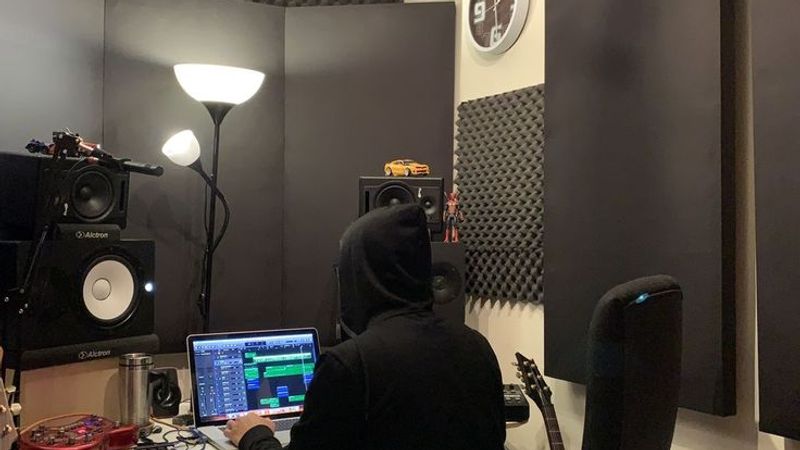
Photo Credit: Osazuwa/ Pinterest
Cross-border collaboration has become the backbone of Africa’s sound. Nigerian producers collaborating with South African artists, Ghanaian engineers blending Tanzanian hits, the creative exchange is fostering a unified African industry. This Pan-African collaboration not only enhances visibility but also strengthens the business ecosystem for all parties involved.
The Future of African Sound Entrepreneurship
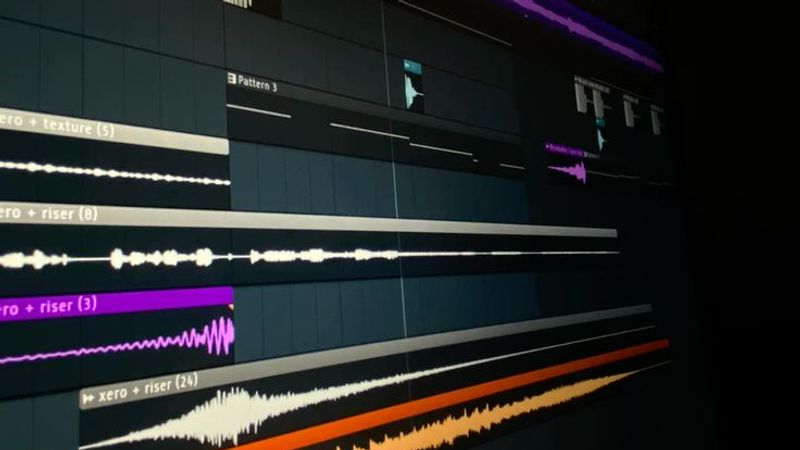
Photo Credit: Pinterest
The future of African producers lies in ownership of masters, publishing rights, and creative control. With global attention focused on African rhythms, producers have an opportunity to redefine the business of beats. Blockchain technology, NFTs, and digital ownership platforms could soon make it easier for them to protect and profit from their creations.
Africa’s beatmakers are proving that sound is not just art, it’s enterprise. And in this new creative economy, the producer is no longer behind the music; they are at the center of Africa’s next billion-dollar industry.
Visit Our Website to learn and explore more insights into African entertainment.