Streetwear in Africa: A Growing Youth-Driven Movement

Titilayo Ifeoluwa
Click to view profile
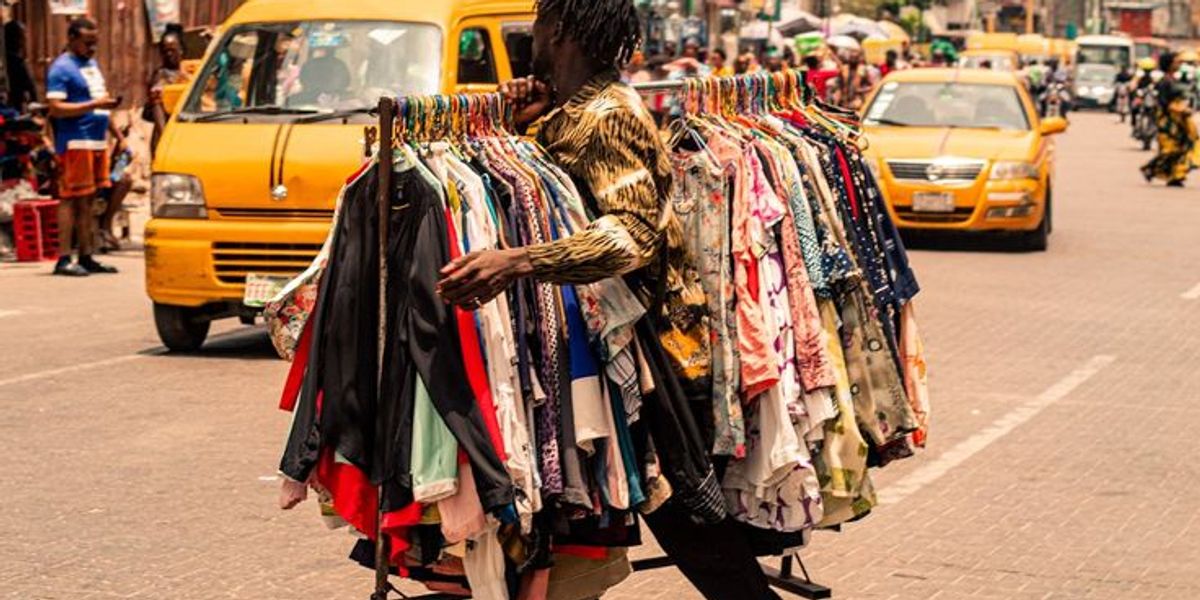
Across Africa’s cities, a new wave of fashion is rewriting the rules of self-expression. Streetwear, once rooted in American hip-hop and skate culture, has found a unique African identity, fusing traditional fabrics, bold graphics, and urban aesthetics. For many young Africans, streetwear is more than just clothing; it is a cultural movement that reflects music, politics, creativity, and community.
What sets African streetwear apart is its ability to blend global trends with local traditions. From Lagos and Accra to Johannesburg and Nairobi, youth-driven brands are redefining fashion by drawing on heritage while speaking the language of modern urban culture. This movement is not only influencing wardrobes but also reshaping Africa’s creative economy and placing the continent on the global fashion map.
The Birth of African Streetwear
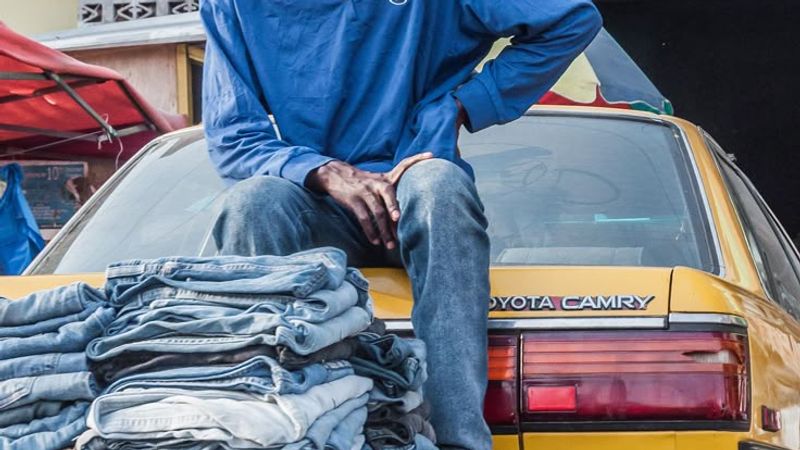
Photo Credit: Flickr/ Pinterest
African streetwear gained momentum in the early 2010s, when urban youth began merging Western influences with African originality. Nigerian brands like Ashluxe and Seventh Avenue led the way, while South Africa’s skate and hip-hop communities turned labels like Young and Lazy into cultural staples. According to the Business of Fashion (2022), Africa’s fashion market is valued at $31 billion, with streetwear making up a growing share driven by young consumers.
Blending Tradition with Modernity
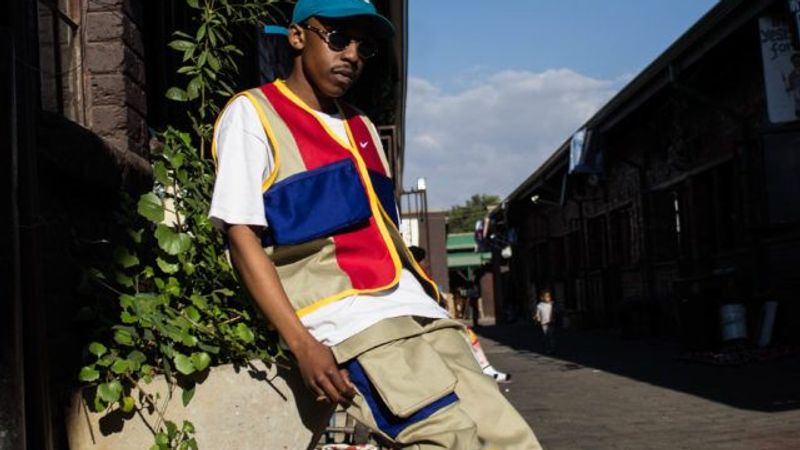
Photo Credit: Mamello R / Pinterest
Unlike mainstream global streetwear, African brands often weave tradition into their designs. Ghanaian labels like Free The Youth fuse Kente prints with oversized hoodies, while designers in Kenya use tie-dye and beadwork in urban fits. This blend keeps heritage alive while appealing to a generation fluent in both tradition and global fashion.
The Role of Music and Youth Culture
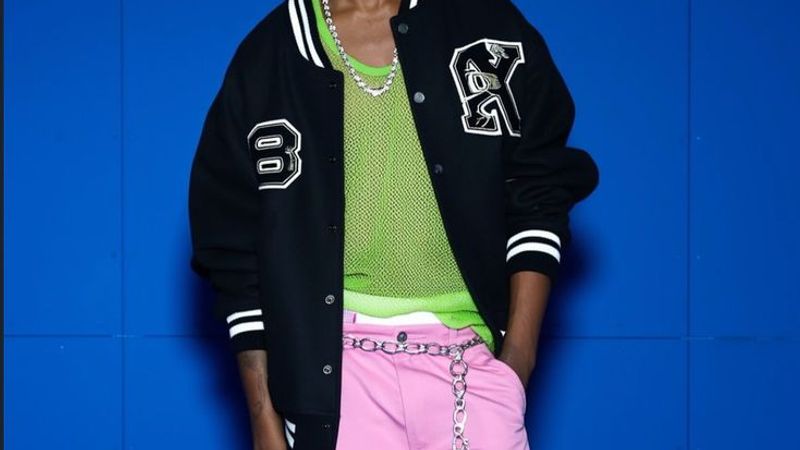
Photo Credit: Pinterest
Streetwear in Africa is inseparable from its music scene. Afrobeats, Amapiano, and Hip-Hop culture fuel how young people dress and express themselves. Streetwear brands often collaborate with musicians, with merch lines and music videos becoming important marketing tools. For example, Wizkid’s Starboy merchandise and Cassper Nyovest’s collaborations have blurred the lines between fashion and music promotion.
Economic Opportunity in Streetwear
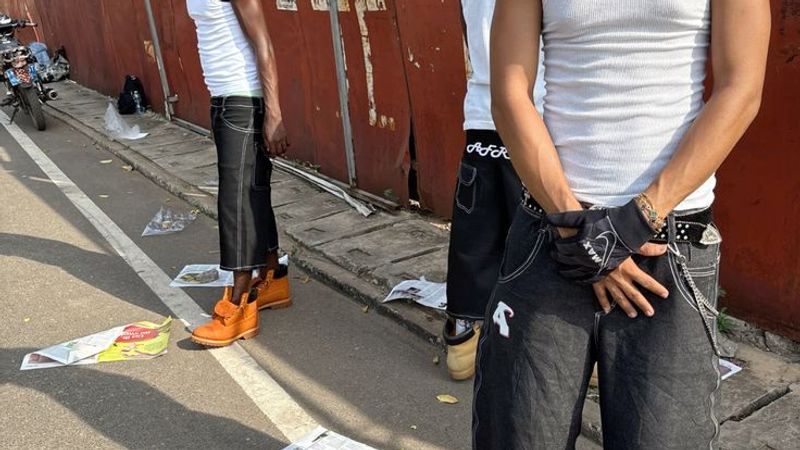
Photo Credit: AFRIX GHANA / Pinterest
Streetwear is no longer just a cultural expression; it’s also an economic engine. The mobile industry contributed around US$140 billion, or 7.3% of GDP in sub-Saharan Africa in 2023. With better internet adoption and improved e-commerce systems, African fashion brands can harness this digital growth to push streetwear into mainstream global markets.
Digital Communities and Global Reach
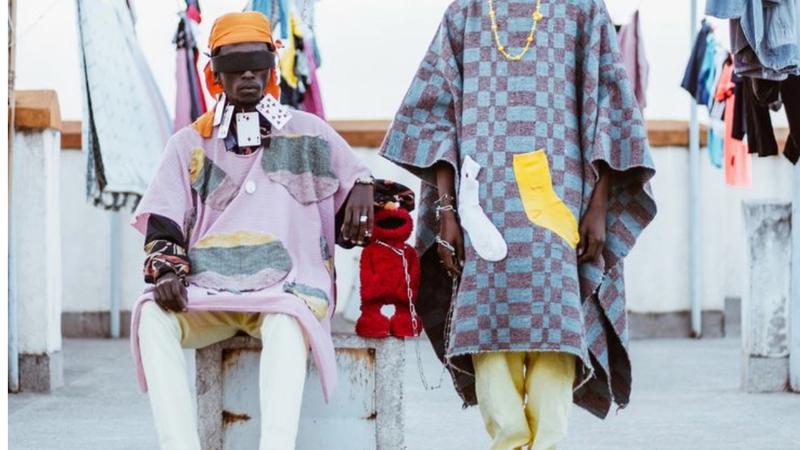
Photo Credit: Made in Lagos with Love/ Pinterest
Across sub-Saharan Africa, there are approximately 320 million mobile internet users, providing African streetwear designers access to a massive online market. Platforms like Depop, Jumia, and Instagram shops have become mini-runways for African youth, breaking the barriers of traditional fashion shows.
From Local Streets to Global Stages
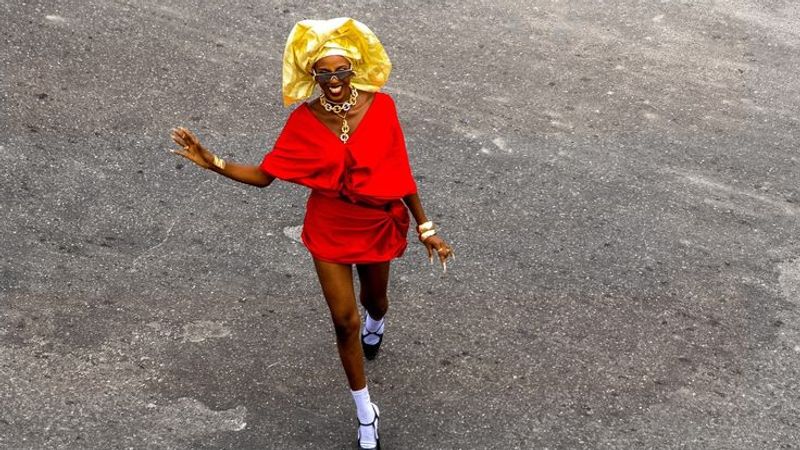
Photo Credit: black_precie/ Pinterest
African streetwear is no longer confined to local neighborhoods. Daily Paper has collaborated with Puma and Adidas, while Ashluxe has appeared at Paris Fashion Week. In 2021, Thebe Magugu, a South African designer, became the first African to win the LVMH Prize for Young Fashion Designers, putting African creativity at the center of the global streetwear conversation.
Social Media as the Runway
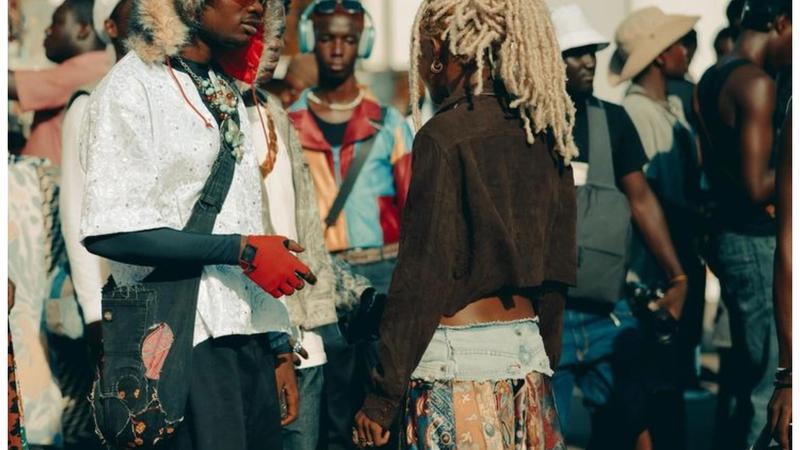
Photo Credit: Obroni Wawu October/ Pinterest
Streetwear in Africa thrives on Instagram, TikTok, and Twitter, where young designers showcase their collections and build loyal communities. However, access to these digital spaces remains limited. Only 29% of Nigerians use mobile internet regularly, meaning 71% remain offline. This shows both the challenges and opportunities for fashion entrepreneurs.
The Connectivity Gap
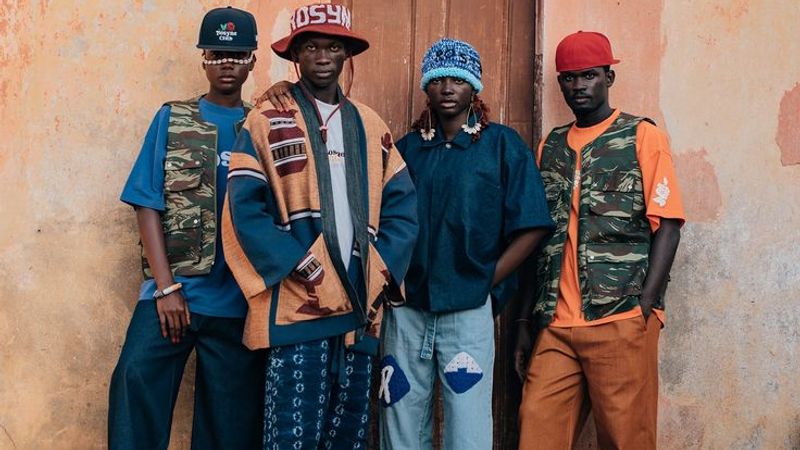
Photo Credit: Rosyne Club/ Pinterest
Despite the progress, a significant digital divide remains. Although mobile internet coverage has expanded, a 60% usage gap remains in sub-Saharan Africa. Networks cover millions, but they don’t use the internet due to affordability and digital literacy barriers, which limit the reach of their designs and stories (GSMA, 2024). For young African streetwear creatives, this limits the reach of their designs and stories.
Streetwear in Africa is more than just a fashion trend; it is a youth-led movement that embodies culture, identity, and entrepreneurship. While challenges like internet access and affordability persist, the growing influence of social media and mobile connectivity is helping African designers share their work with the world. As this movement grows, it reflects not only style but also Africa’s resilience, innovation, and global cultural power.
Visit Our Website to learn more and explore Africa.