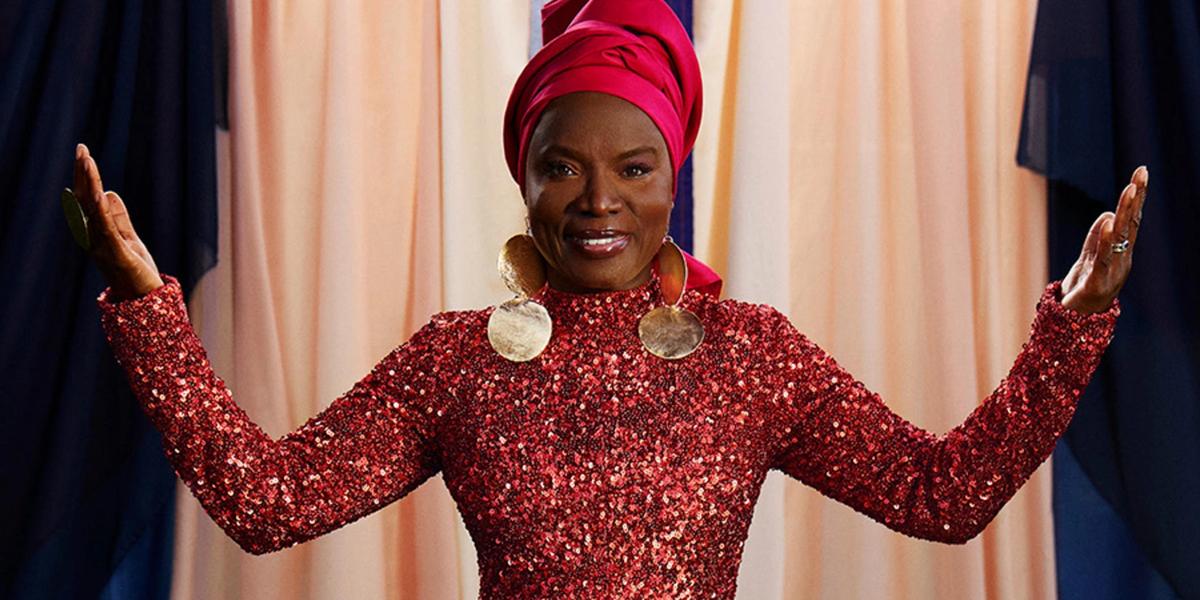
Series: “Cultural Icons of Africa”. Daily Profiles of Musicians, Artists and Poets. Part 1: Angelique Kidjo

Vera Ifechukwu
Click to view profile
Angélique Kidjo has long stood as a luminous figure in the tapestry of African icons, a singer, activist, and storyteller whose voice carries across generations. Born in Benin, she rose from her mother’s theatre troupe to become a global legend, blending traditional West African rhythms with jazz, pop, and world music. Her journey is more than musical; it is a vivid narrative of resilience, creativity, and bold advocacy.
In sharing her story, we celebrate Africa’s creative strength and affirm that African legends deserve to be heard by Africans and by the world. This is part one in our “Cultural Icons of Africa” series, where we highlight voices that shape identity, inspire change, and showcase the beauty and power of our continent.
Early Roots and Family Influence
Angélique Kidjo was born on 14 July 1960 in Ouidah, Benin. Her childhood was filled with artistic expression, as her father was a musician and her mother a choreographer and theatre director. By age six, she was performing in her mother’s troupe, learning the rhythms of Beninese and Yoruba music. This early exposure nurtured her sense of rhythm, culture, and storytelling. Her family’s artistic background shaped a life devoted to elevating African icons' culture through song.
Exile and Creative Awakening
Political unrest in Benin led Kidjo to leave her homeland in 1983 and resettle in Paris. In France, she studied jazz, worked with local musicians, and explored new artistic possibilities. This period of exile became a powerful catalyst for her creative evolution. She discovered she could express her convictions more effectively through music than direct political action. Her move to Paris signalled a shift from rising local performer to future global African legend.
Musical Fusion and Innovation
Kidjo’s art is characterised by its rich fusion of styles. She blends Afropop, funk, jazz, gospel, Latin influences, and more. Her album Logozo, released in 1991, showcased collaborations with Manu Dibango and Branford Marsalis. She performs in multiple languages, including Fon, Yoruba, French, Gen, and English. Her music crosses boundaries while remaining grounded in African tradition. Through her sound, she demonstrates that Africa’s musical core is both ancient and universal.
Global Recognition and Awards
Across her four-decade career, Kidjo has received several Grammy Awards for her groundbreaking work. She has collaborated with prominent global artists, including Alicia Keys, Peter Gabriel, and Yo-Yo Ma. In 2023, she received the Polar Music Prize, a highly respected honour in world music. Time magazine recognised her as one of the world’s 100 most influential people. Her achievements show how her African-rooted artistry connects with listeners around the world.
Advocacy and Humanitarian Work
Kidjo’s influence reaches far beyond the stage, as she remains a committed advocate for social progress. She founded the Batonga Foundation to support education for young African girls. She has also served as a UNICEF Goodwill Ambassador since 2002. She speaks passionately about sustainable development, gender equality, and education across global platforms. Her activism is deeply woven into her work as an African legend. Through her foundation, she uses her cultural voice to drive meaningful change.
Cultural Preservation and Storytelling
Kidjo often draws from her Beninese heritage, using traditional vocal techniques such as Zilin to enrich her music. She carries ancestral stories into her songs, reminding audiences of Africa’s enduring cultural depth. Her album Eve honours African women and features songs in local Beninese languages. She also reinterprets global works, such as her transformative version of Talking Heads' Remain in Light. Through these choices, she shows the world that African legends are living storytellers with evolving voices.
Environmental Impact and Climate Voice
Kidjo’s legacy also includes her commitment to environmental protection. She has worked with UNEP to promote sustainable practices across communities. She has shared how her upbringing, shaped by both voodoo and Catholic traditions, reinforced her respect for nature. Her album Mother Nature weaves African rhythms with messages of climate justice and global responsibility. She links culture, environment, and activism, proving that music can heighten awareness and inspire change. Her voice is urgent, speaking for both people and the planet.
Legacy and Influence on Future Generations
As one of the foremost figures in African icons culture, Kidjo remains a powerful role model for young artists. She has opened doors for women in African music, showing that tradition and innovation can thrive together. She encourages the next generation to value heritage, activism, and global citizenship. Through the Batonga Foundation, she invests in young African women who will shape tomorrow’s cultural landscape. By telling her story, we reinforce the belief that African legends must be heard, confidently and in their own voices.
Explore the inspiring life of Angélique Kidjo, a powerful African legend shaping culture, music, and activism worldwide.
Visit our website for more inspiring stories of Africa’s greatest artists, poets, and cultural icons.