Regional Roots: How Identity Differs Across Nigeria, Kenya, and South Africa

Vera Ifechukwu
Click to view profile
Africa’s diversity is its strength. Yet, even within the continent, there’s often a limited understanding of how deeply identities differ from one region to another. From Nigeria’s vibrant West African culture to Kenya’s layered East African traditions and South Africa’s striking Southern influences, every region tells its own story of heritage, resilience, and evolution.
In this article, we explore East, West, and Southern African identity; comparing how history, language, religion, art, and lifestyle have uniquely shaped Nigeria, Kenya, and South Africa. It’s more than geography, it’s about what defines the spirit of a people.
One Continent, Many Stories
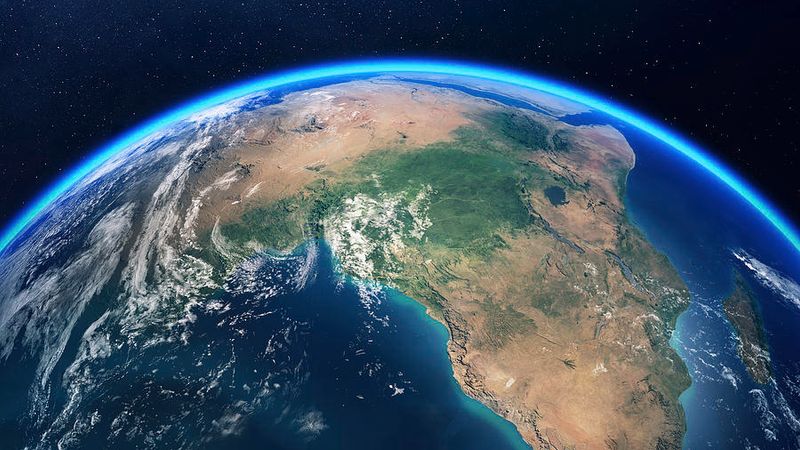
Photo Credit: Fine Art America
Africa is not a single story. It’s a mosaic of traditions, tongues, and experiences shaped by ancient kingdoms, colonial history, and global influences. Yet, many Africans know little about the cultural intricacies beyond their borders. Platforms like Showcase Africa continue to provide updates and trends that connect Africans through storytelling, arts, and shared heritage.
West Africa – Nigeria’s Identity of Expression and Resilience
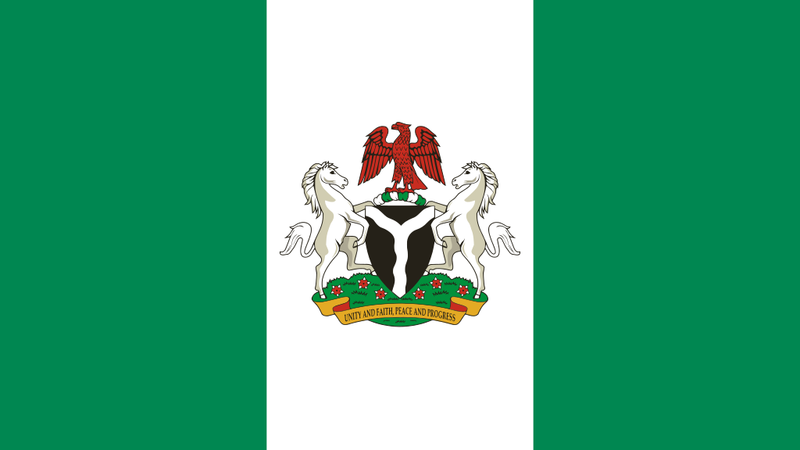
Photo Credit: WikimediaCommons
Nigeria is often called the “Giant of Africa,” not only for its population but for its influence on music, fashion, and language. Its identity thrives on diversity, drawn from over 250 ethnic groups including the Yoruba, Igbo, and Hausa.
The Power of Language and Pidgin English
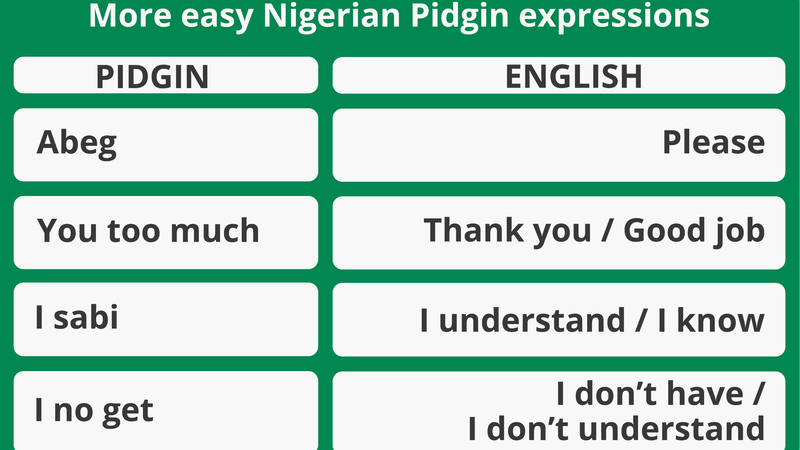
Photo Credit: Engoo
Language is a cornerstone of Nigeria’s identity. From indigenous tongues to Nigerian Pidgin English, communication reflects unity in diversity. Pidgin bridges social and regional divides, creating a shared sense of belonging across Nigeria’s 36 states.
Faith and Community
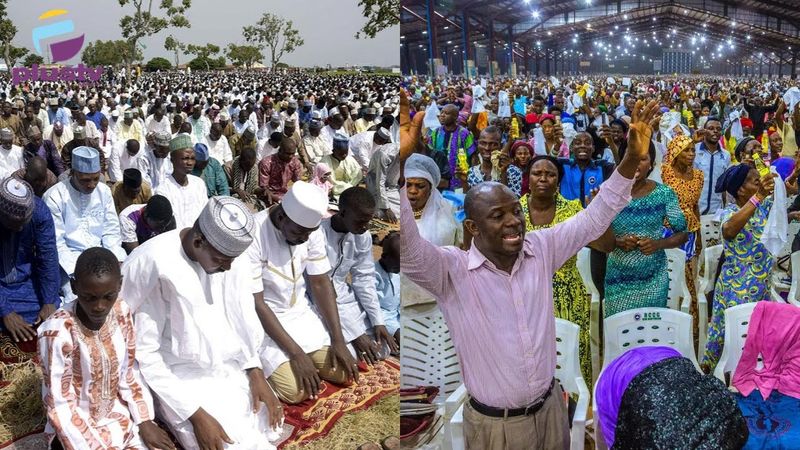
Photo Credit: Newswatchplus
Religion shapes Nigeria’s social fabric. The north is predominantly Muslim, the south largely Christian, and traditional beliefs coexist harmoniously in rural areas. Faith is both a private conviction and a public celebration, influencing festivals, fashion, and moral values.
Art, Music, and Global Influence
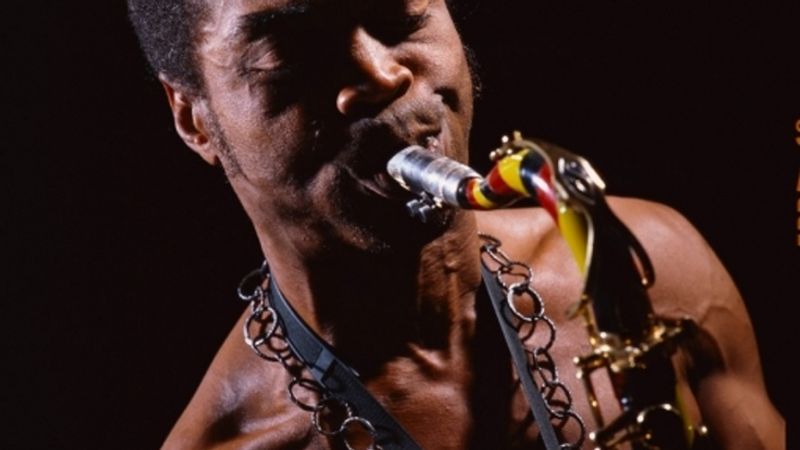
Photo Credit: afrobeatmusic
From Afrobeat legends like Fela Kuti to Afrobeats sensations such as Burna Boy, music remains Nigeria’s global export of identity. Through rhythm and rebellion, Nigerian artists tell stories of love, pain, and power, giving the world a taste of West African resilience. In Nigeria, identity is expressive. Every gesture, outfit, or slang carries cultural meaning. It’s a society that thrives on self-definition and bold creativity.
East Africa – Kenya’s Identity of Balance and Heritage
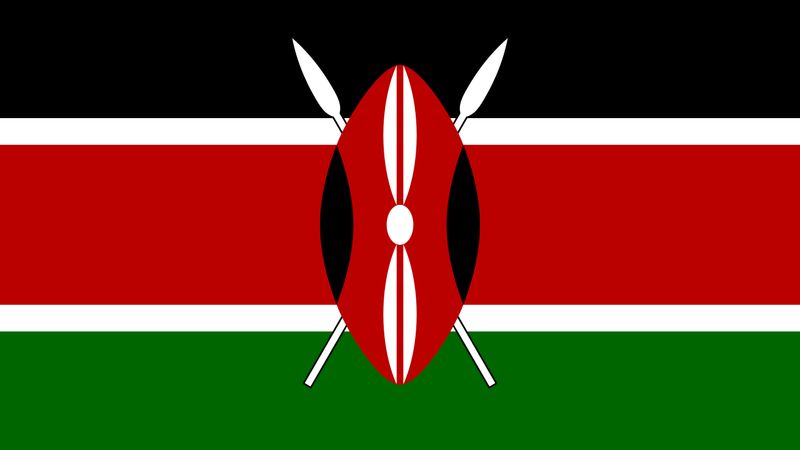
Photo Credit: WikimediaCommons
Kenya sits at the crossroads of old and new Africa. Its identity is both traditional and modern, influenced by its diverse tribes, coastal history, and global connections.
Tribal Heritage and Unity in Diversity
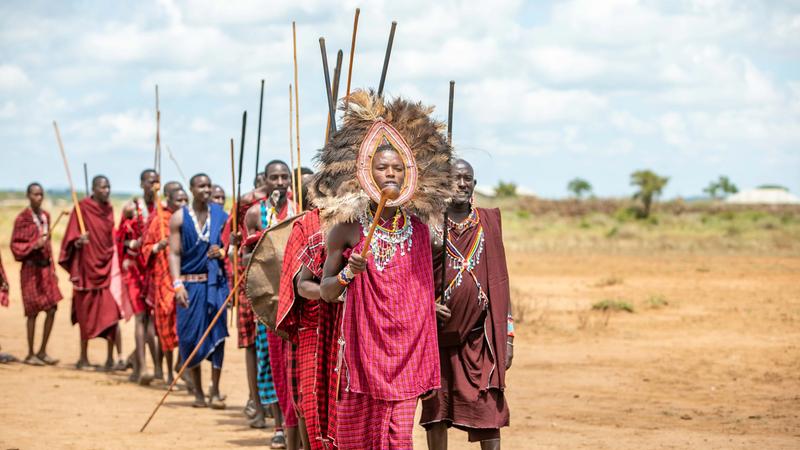
Photo Credit: Olanka Safari
Kenya is home to more than 40 ethnic groups, each with its distinct language, cuisine, and dress. The Kikuyu, Luo, Kalenjin, Maasai, and Luhya remain some of the largest. Despite differences, the spirit of Harambee meaning “pulling together” in Swahili defines Kenyan unity. It’s not just a motto but a way of life that reflects collective strength and cooperation.
Swahili Coast and Cultural Fusion
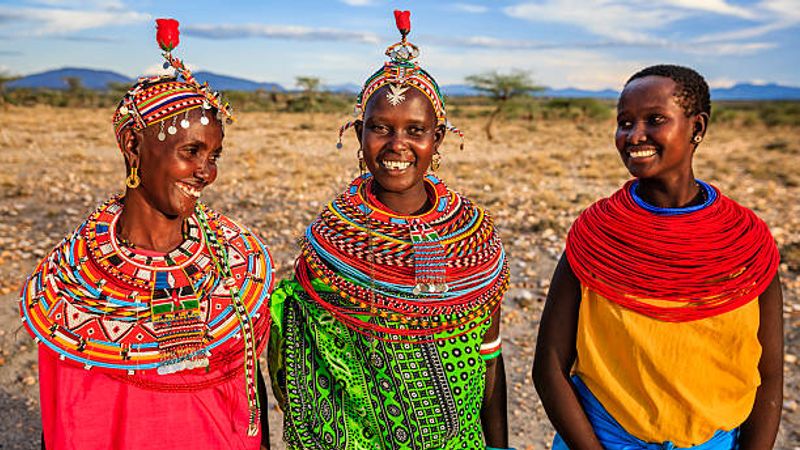
Photo Credit: Amboseni National Park
Kenya’s coastal identity is unique, deeply influenced by centuries of trade with Arabs, Persians, and Indians. The Swahili culture blends African roots with Arabic elegance, seen in architecture, cuisine, and even language.
Example:
Dishes like pilau and samosa reveal Kenya’s culinary diversity, fusing flavours from Africa, the Middle East, and Asia.
Youth, Innovation, and Modern Identity

Photo Credit: sophisticated ignorance
Kenya’s youth lead Africa’s tech revolution. With Nairobi’s “Silicon Savannah” driving innovation, young Kenyans redefine identity through creativity and entrepreneurship. Kenya’s identity is grounded yet global. Its people value tradition but embrace change with optimism and grace.
Southern Africa – South Africa’s Identity of Transformation and Pride
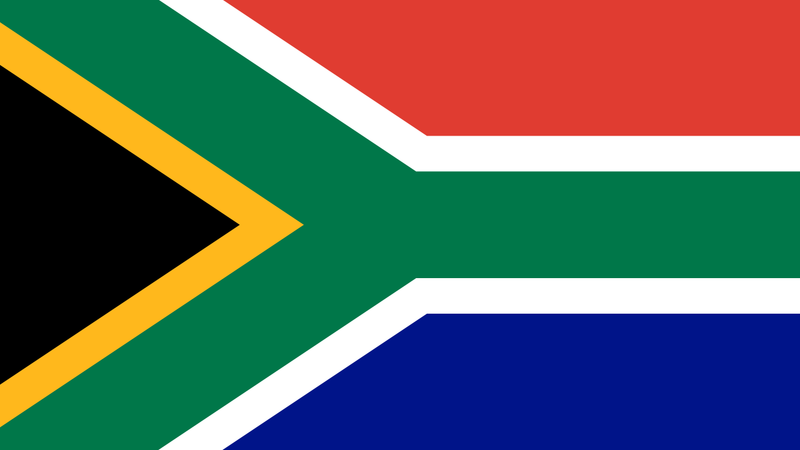
Photo Credit: WikimediaCommons
South Africa’s story is one of reinvention. From the struggle against apartheid to its emergence as a democratic powerhouse, its identity carries layers of pain, pride, and progress.
Language and Unity in Diversity
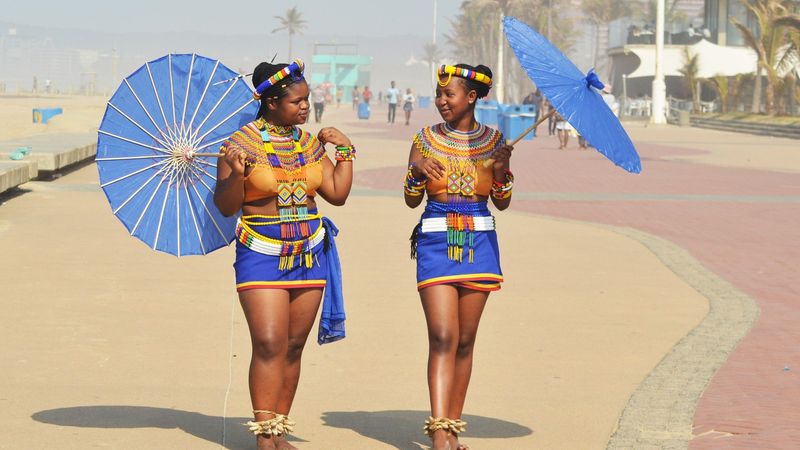
Photo Credit: IOL
South Africa has 11 official languages, reflecting its cultural depth. Zulu, Xhosa, Afrikaans, and English dominate communication, but each language carries stories of resilience and identity. This linguistic diversity mirrors the nation’s motto: “Unity in Diversity.” It speaks to the challenge and beauty of forging harmony from difference.
Freedom and Faith
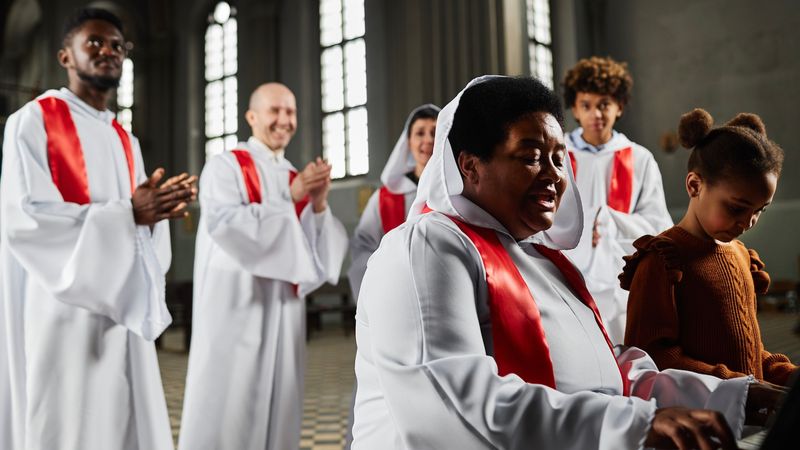
Photo Credit: Distinction Pass
Religion plays a strong role in South African society, with Christianity as the dominant faith. Yet, indigenous beliefs continue to shape rituals, art, and community celebrations. Post-apartheid identity is deeply spiritual, rooted in healing, reconciliation, and hope.
Art, Activism, and Expression
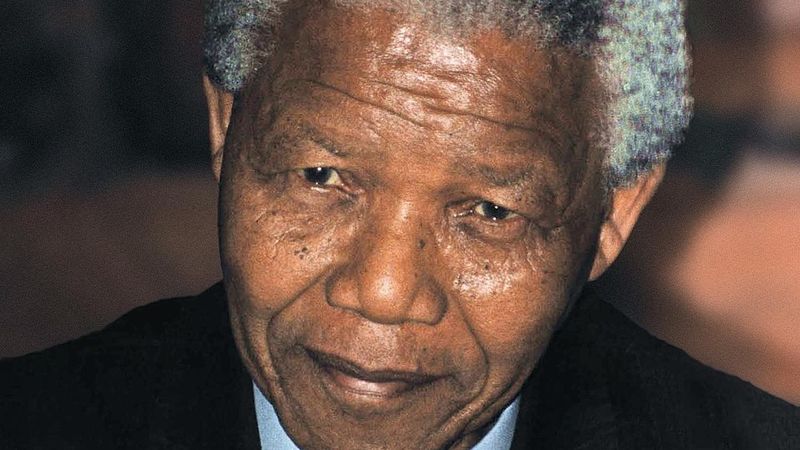
Photo Credit: Wikipedia
From Miriam Makeba’s music to Nelson Mandela’s legacy, South African art is activism. Music, dance, and storytelling remain powerful tools for reclaiming voice and rewriting history.
Trend Update:
Young South Africans today use art to address inequality, climate change, and identity politics, turning social challenges into creative power.
Comparing East, West, and Southern African Identity
While Nigeria, Kenya, and South Africa differ in language, history, and lifestyle, several threads unite them.
West Africa (Nigeria)
•Core Identity; Expression and resilience
•Key Languages; Yoruba, Igbo, Hausa, Pidgin
•Religion; Christianity, Islam, Traditional beliefs
•Cultural Icons; Fela Kuti, Chimamanda Adichie
•Modern Identity; Music, fashion, entrepreneurship.
East Africa (Kenya)
•Core Identity; Balance and community
•Key Languages; Swahili, Kikuyu, Luo
•Religion; Christianity, Islam, Indigenous beliefs
•Cultural Icons; Wangari Maathai, Lupita Nyong’o
•Modern Identity; Tech, innovation, sustainability.
East Africa (South Africa)
•Core Identity; Transformation and pride
•Key Languages; Xhosa, Afrikaans
•Religion; Christianity, Indigenous beliefs
•Cultural Icons; Nelson Mandela, Miriam Makeba
•Modern Identity; Art, activism, diversity.
Nigeria, Kenya, and South Africa each reflect Africa’s diversity; bold, complex, and beautiful. Understanding one another’s stories deepens mutual respect and builds stronger cultural bonds. As we learn, share, and celebrate together, Africa’s true strength continues to unfold; not in uniformity, but in unity through diversity.
Visit our website for more inspiring features on culture, identity, and innovation across the continent.