Reclaiming Indigenous Knowledge in Modern Education

Titilayo Ifeoluwa
Click to view profile
In the heart of Africa’s vibrant villages and bustling cities lies a reservoir of wisdom passed down through generations. The rhythms of our elders, the songs of our ancestors, and the patterns of our lands speak to a knowledge deeply rooted in community, context, and the pursuit of survival. Yet in many school-rooms and lecture halls, this rich heritage finds little honour. For true transformation in African education, we must recognise that indigenous knowledge in Africa is not a relic but a resource.
When a young learner in Lagos or Dakar opens a textbook that overlooks their own stories, they feel the absence deeply. Their roots stretch into soil rich with meaning, yet their curriculum may deny it. Today, we awaken to the possibility that Africa’s voices deserve to be heard by Africans, so that the world may understand and appreciate them. This article raises awareness, provides updates, and highlights the importance of reclaiming indigenous knowledge across Africa, as well as how education systems can take action now.
Understanding Indigenous Knowledge Systems
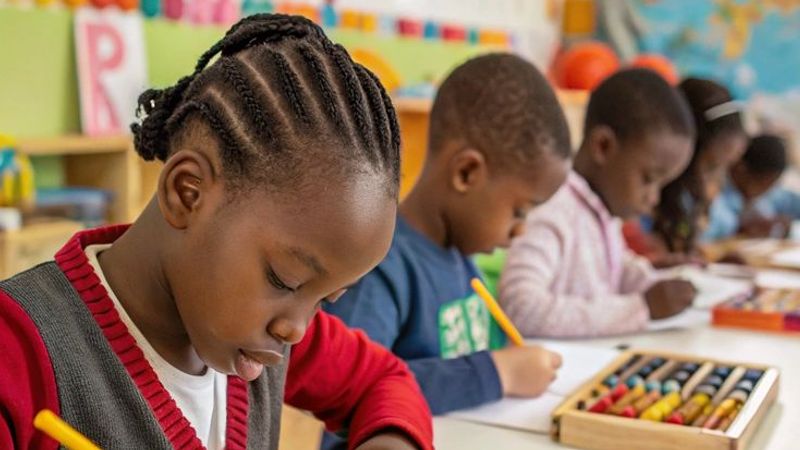
Photo Credit: Pinterest
Indigenous knowledge in Africa describes the local ways of knowing, acting, and sustaining that have served African societies for centuries. These systems incorporate practical knowledge of land, community, cultural values, and nature. Scholars have shown that education disconnected from anchored knowledge can become irrelevant to learners. Re-centering indigenous knowledge systems fosters learning that resonates, honours identity, and deepens context.
Why Traditional Wisdom was Marginalized
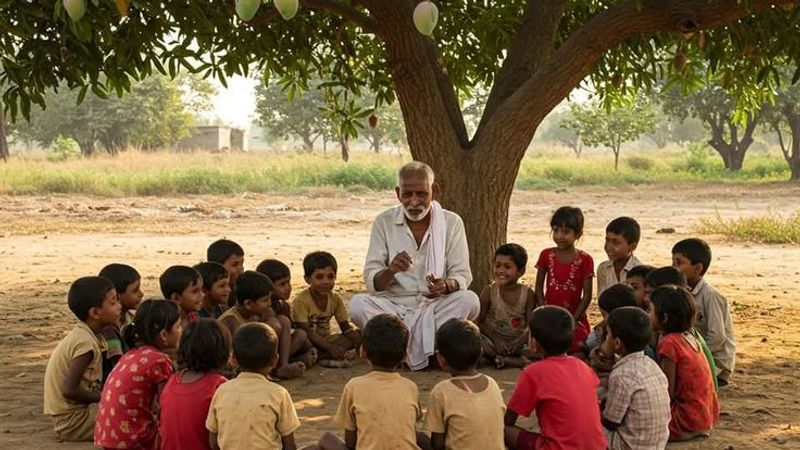
Photo Credit: Dipeshs Sharma
With the advent of colonial schooling and Western-centered curricula, African modes of knowledge were too often dismissed as primitive or irrelevant. Schools became vehicles for foreign epistemologies and languages, diminishing the value of indigenous knowledge that Africa holds. Recognizing that history helps us chart a path toward curriculum reform that honours culture and context.
Benefits of Integrating Indigenous Knowledge in Curriculum
Photo Credit: Walmart
When indigenous knowledge is woven into modern education, learners gain multiple advantages. For example, connecting scientific principles to local traditional practices enhances relevance and comprehension. Students see their worlds reflected in what they learn and feel empowered rather than alienated. Moreover, communities recognise themselves in schools, strengthening relationships between home and learning space.
Practical Approaches for Curriculum Reform
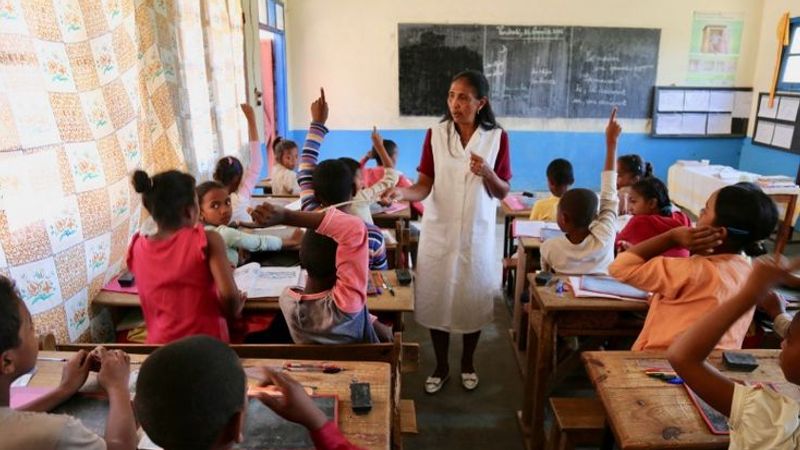
Photo Credit: Starkidily
To bridge culture with curriculum reform, we suggest several practical steps. First, curriculum designers must engage with local elders, knowledge holders, and communities to map key Indigenous concepts and perspectives. Second, teacher education must incorporate training on indigenous knowledge frameworks and culturally relevant pedagogy. Studies show that detailed guidelines enable effective integration of indigenous knowledge into science classrooms. Third, learning materials must include examples and case studies from African settings, celebrating regional wisdom and languages.
Technology and Indigenous Knowledge: Trends and Updates
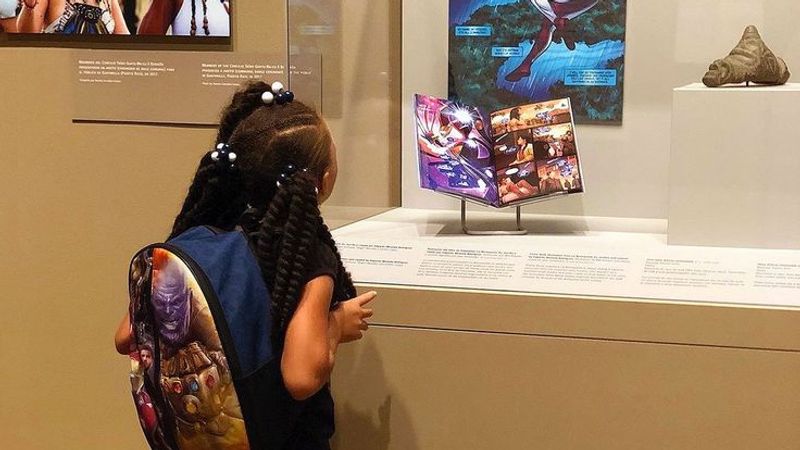
Photo Credit: Denise Burningham
In recent trends, educational technology is being used to document and share indigenous knowledge in Africa. Digital archives, mobile apps, and community-led platforms are being developed to preserve languages and cultural practices. This updates our understanding of knowledge transfer in the modern era while honoring tradition. By digitising oral histories and local ecological knowledge, schools can make indigenous wisdom accessible to learners in meaningful ways.
Overcoming Challenges and Resistance
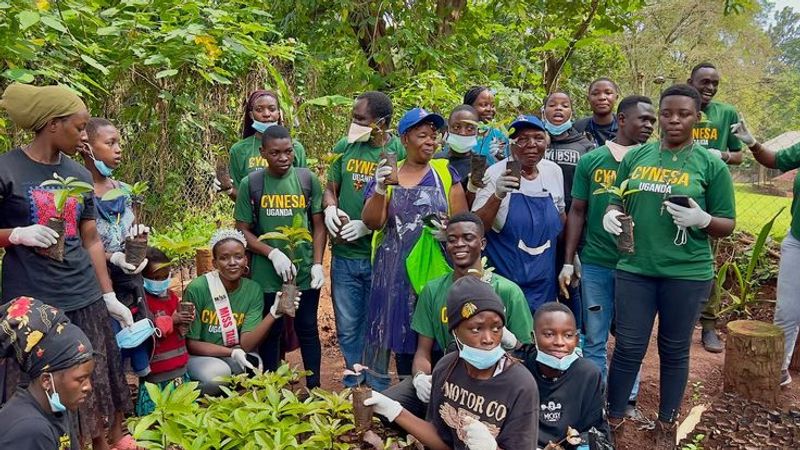
Photo Credit: Pinterest
Despite the promise, integrating indigenous knowledge faces obstacles. Teachers may feel unprepared, resources may be lacking, and institutional inertia may block change. For instance, research found that environmental education in a school in southern Africa struggled due to insufficient teacher support. Overcoming these challenges requires policy commitment, investment in training, and a re-imagining of what counts as valuable knowledge in African education.
Celebrating African Voices and Community Ownership

Photo Credit: Marvelous Kamp
At the heart of reclaiming indigenous knowledge across Africa is the belief that Africa’s voices deserve to be heard by Africans, so that the world can understand and appreciate them. Schools must not only teach about culture but also work with communities in co-creating content, deciding what knowledge matters and how it is honoured. In doing so, education becomes a site of empowerment rather than a source of alienation.
Join a movement of change inside African education. Schools, policymakers, communities, and learners alike can champion curriculum reform that bridges culture with context.
Visit Our Website for resources, case studies, and practical toolkits to begin your journey.