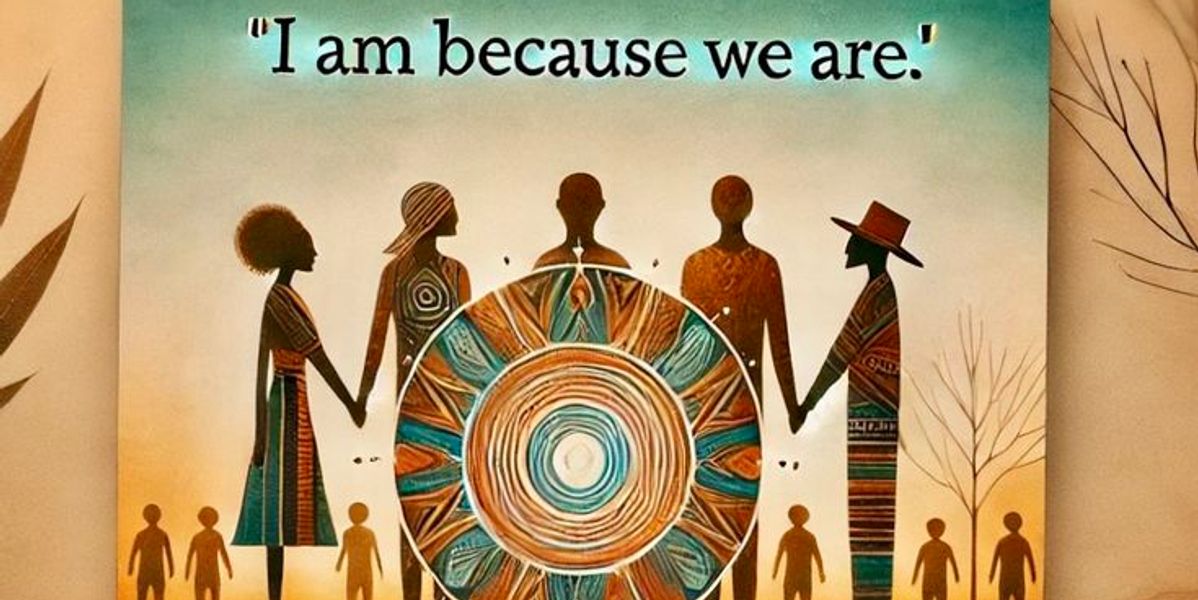
Philosophy of Ubuntu: The Spirit of African Togetherness

Vera Ifechukwu
Click to view profile
Ubuntu philosophy is more than a word. It is a heartbeat, an unspoken rhythm of African togetherness. Ubuntu is not just a cultural catchphrase; it is a living principle that connects people across generations.The philosophy of Ubuntu is called the spirit of African togetherness because it places community and shared humanity at the centre of life.
Many people have heard of it, yet few grasp its profound essence. The phrase, often translated as "I am because we are," goes beyond linguistic beauty. It carries centuries of wisdom on compassion, community, and identity. To understand Ubuntu philosophy is to step into a way of living that defines dignity, empathy, and solidarity.
Understanding The Roots Of Ubuntu
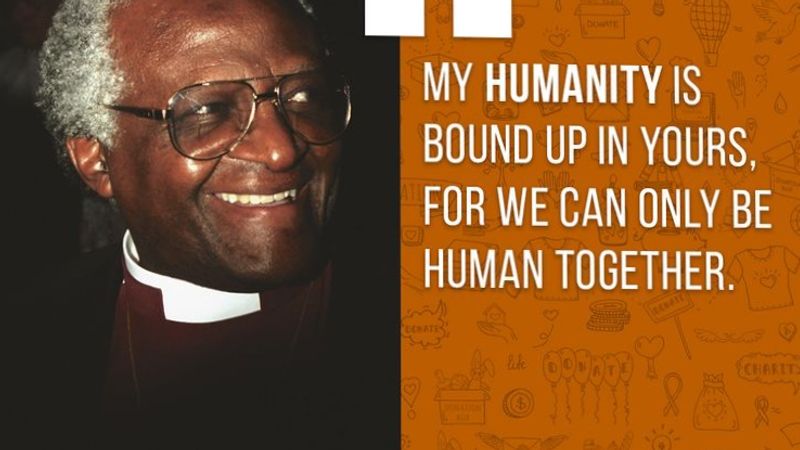
Photo Credit: ISFH Foundation/Pinterest
Ubuntu has its roots in Southern African cultures, especially among Nguni Bantu-speaking communities. From the Nguni Bantu languages, is often expressed as "Umuntu ngumuntu ngabantu" which translates to "A person is a person through other people." It emphasises human connection over individual achievement.
According to Archbishop Desmond Tutu, Ubuntu is about recognising that "my humanity is caught up, is inextricably bound up, in yours." His words reflect a timeless truth that echoes across African societies. Ubuntu’s depth lies in its practice, not theory. It is how elders share food before eating, how villages raise children collectively, and how communities unite in times of hardship.
Ubuntu And Colonial Disruption

Photo Credit: Pinterest
Colonial rule strained Ubuntu’s natural flow by forcing Western individualism and economic systems on African societies. Communities were fractured, and collective values weakened. Despite these disruptions, Ubuntu endured through storytelling, proverbs, and ritual practices. Today, many Africans seek to reconnect with these values, recognizing that the wisdom of Ubuntu offers healing in fractured societies. Rediscovering Ubuntu philosophy is not nostalgia, it is reclaiming agency, dignity, and belonging in a world often divided by competition.
Ubuntu Philosophy In Modern Africa
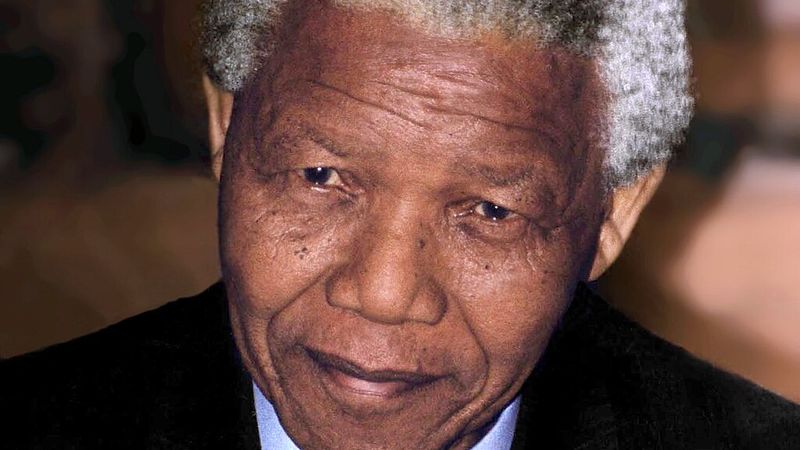
Photo Credit: WikimediaCommons
Ubuntu remains a guiding compass for leadership and governance. After apartheid, South Africa used Ubuntu to shape its Truth and Reconciliation Commission, prioritising forgiveness and healing. Nelson Mandela often spoke of Ubuntu, stating that "Ubuntu does not mean that people should not enrich themselves, but it is to say that if you can, then you do so in order to enable the community around you to be able to improve."
Ubuntu influences modern African businesses, schools, and even digital innovation. The focus is on shared growth, not selfish gain. Showcase Africa promotes Ubuntu by being both a storyteller and a bridge: educating, inspiring, and connecting people to the African spirit of togetherness, reminding audiences that ancient wisdom can inspire sustainable futures.
Ubuntu In Daily Living
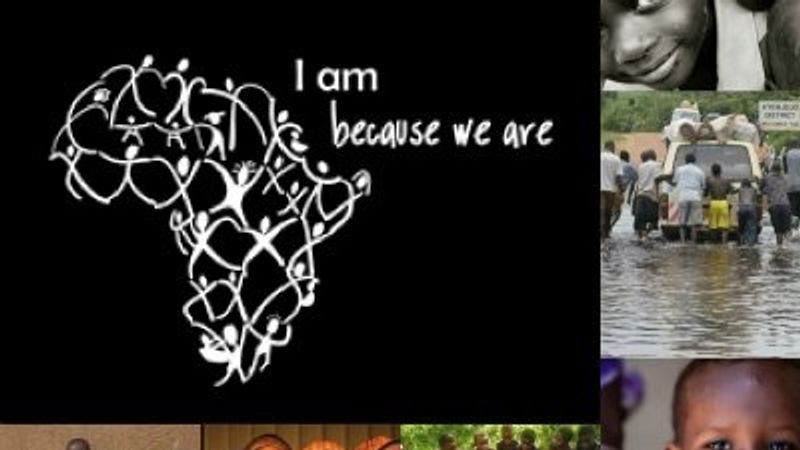
Photo Credit: Pinterest
Applying Ubuntu philosophy today does not require grand gestures. It starts with small acts of kindness, respect, and empathy. Offer Help Without Expectation. Sharing knowledge, or simply listening without judgement are everyday expressions of Ubuntu.
The philosophy also calls for inclusivity. It challenges us to acknowledge different identities while respecting shared humanity. This balance of individuality and togetherness is Ubuntu’s strength, making it deeply relevant for multicultural societies across Africa and worldwide.
Ubuntu In Conflict Resolution

Photo Credit: iStock
African communities have long applied Ubuntu principles to resolve disputes. Instead of punitive justice, the emphasis was on restoring harmony. Elders often gathered in circles, allowing all voices to be heard.
This restorative approach has influenced global peacebuilding. It prioritises reconciliation over revenge, dialogue over division. Ubuntu philosophy offers lessons in humility and patience for societies struggling with conflict today.
Ubuntu And Cultural Identity

Photo Credit: Lau Do/Pinterest
Ubuntu is not just a philosophy. It is a mirror of African identity. When people lose sight of Ubuntu, they risk cultural alienation. The philosophy reinforces a sense of belonging, which helps counter the loneliness and fragmentation of modern life. For Africans in the diaspora, reconnecting with Ubuntu philosophy becomes a pathway back to cultural roots. It helps reclaim lost narratives, reminding communities that their strength lies in unity, not isolation.
Ubuntu And Spiritual Life

Photo Credit: Pinterest
Spirituality in many African traditions is inseparable from Ubuntu. Ancestors, nature, and community form interconnected dimensions of existence. Rituals and ceremonies often embody Ubuntu, reinforcing collective harmony with the seen and unseen world.
Ubuntu-inspired spirituality fosters respect for life, land, and lineage. This awareness continues to influence African traditional religions and modern churches, offering a holistic approach to faith.
Ubuntu Philosophy In Business And Leadership

Photo Credit: Pinterest
African enterprises are increasingly embracing Ubuntu as a leadership model. Companies are recognising that success grows when employees feel valued and respected. Ubuntu-driven leadership emphasises teamwork, mentorship, and inclusivity.
In education, Ubuntu shapes collaborative classrooms where knowledge is shared, not hoarded. In politics, it encourages leaders to govern for collective good rather than personal enrichment. Showcase Africa often features these updates and trends, linking ancient philosophy to modern transformation.
Why Ubuntu Matters Today

Photo Credit: Diego/Pinterest
Modern life often pushes individuals towards competition and self-interest. Ubuntu philosophy reminds us of shared humanity. It is a call to slow down and reconnect with values that uplift everyone. At its core, Ubuntu is an antidote to alienation. It speaks of resilience, compassion, and collective dignity. Reviving it is not about idealising the past but about ensuring a better future.
Ubuntu philosophy continues to inspire education, leadership, and daily living. It is not just ancient wisdom but a practical guide for modern life. It teaches that one’s identity and dignity are deeply connected to others, no individual stands alone. It binds people in compassion, empathy, and cooperation, offering a way of life that celebrates interconnectedness over individualism. By embracing it, we create stronger communities and a more compassionate world.
Visit Our Website to learn more and explore Africa.