Oil and Gas Industry in Africa: Energy Sector Investment Outlook

Andy Akinbamini
Click to view profile
Africa’s oil and gas industry is gaining strong investment momentum as both established producers and emerging players expand operations. The sector remains a cornerstone of many African economies, drawing substantial international capital and technical expertise. Major companies and financial institutions are committing resources to hydrocarbon development while also backing critical infrastructure projects.
Despite global economic uncertainties and the ongoing energy transition, investor confidence in Africa’s long-term potential remains high. New discoveries, improved regulatory frameworks, and strategic partnerships are driving growth across exploration, production, and infrastructure. These trends underscore Africa’s pivotal role in global energy markets and indicate continued opportunities for resource development in the years to come.
Strong Investment Projections Drive Industry Confidence
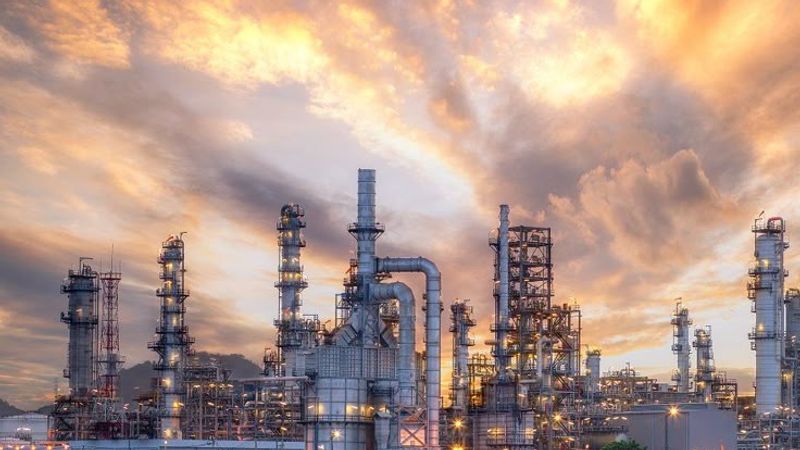
Photo credit: MarketCreative/Pinterest
Africa's oil and gas sector is projected to show robust investment, demonstrating continued confidence in the continent's energy potential. Africa's oil and gas sector is set to attract $43 billion in assets in 2025, with projections indicating a decade-high of $54 billion by 2030. This investment growth reflects both the expansion of established operators and the entry of new companies seeking opportunities in underexplored regions. The strong investment outlook supports job creation, technology transfer, and economic development across multiple African countries.
Regional Banking Initiatives Support Energy Finance

Photo credit: Pinterest
New financial institutions specifically designed to support African energy projects are beginning operations to address funding gaps in the sector. The African Energy Bank secured 45% of its initial $5 billion capital by October 2024 and is expected to begin operations in early 2025. This bank will provide crucial funding for energy projects by combining public and private sector financing approaches. Regional energy financing initiatives help reduce dependence on external funding while building local capacity for project development and management.
Natural Gas Development Gains Investment Priority
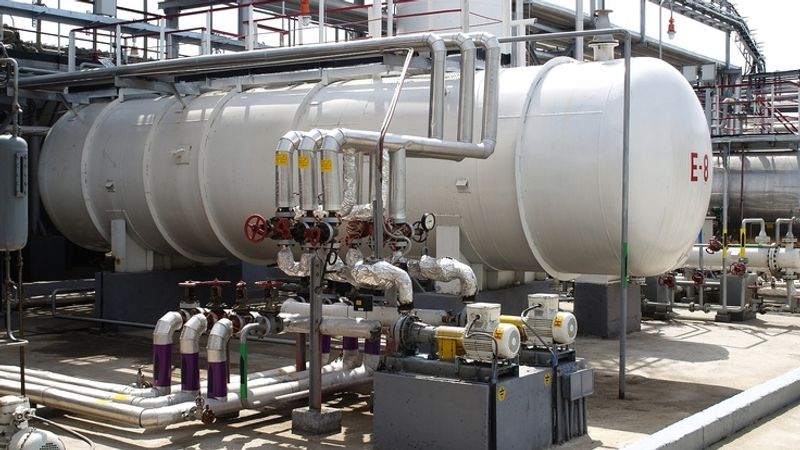
Photo credit: Mazuma Capital/Pinterest
African countries with significant natural gas reserves are attracting increased investment as global demand for cleaner fossil fuel alternatives continues to grow. Natural gas projects offer opportunities for domestic energy supply, industrial development, and export revenue generation across multiple African countries. Natural gas reserves in Africa totaled over 17.89 trillion standard cubic meters in 2023, representing significant potential for development. Investment in gas infrastructure includes pipeline development, processing facilities, and liquefied natural gas export terminals that serve both regional and international markets. The development of the gas sector provides transitional energy solutions, supporting economic diversification and industrial growth.
Exploration Activities Expand Across Multiple Countries
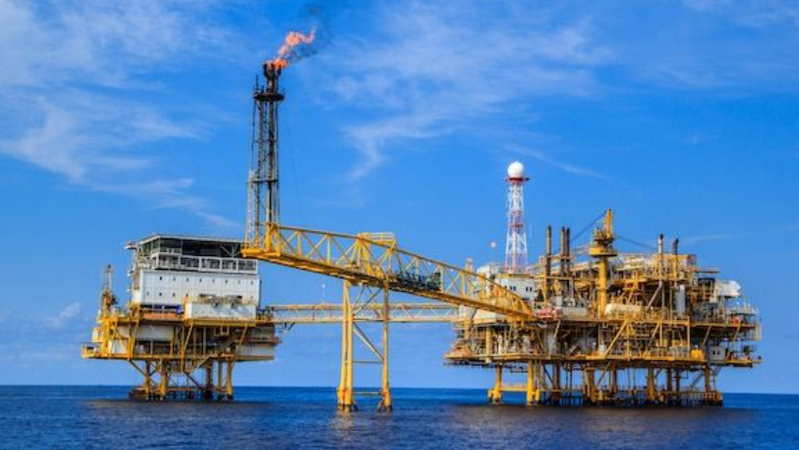
Photo credit: Pinterest
Oil and gas exploration activities continue expanding across Africa as companies seek new reserves in both established and frontier regions. The continent's oil production reached nearly 8.4 million barrels per day in 2024, demonstrating significant production capacity across multiple countries. Recent discoveries and successful exploration programs encourage continued investment in geological surveys, seismic studies, and exploratory drilling campaigns. Countries with proven reserves are attracting additional exploration investment to extend field life and develop adjacent opportunities. Exploration success creates opportunities for production expansion while supporting broader economic development in host communities.
Infrastructure Development Supports Production Growth
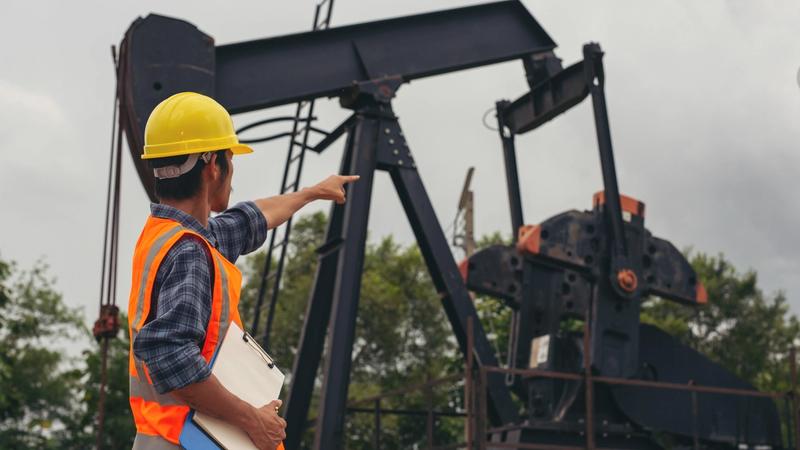
Major infrastructure investments are essential for developing Africa's oil and gas resources and connecting production areas to markets. Pipeline projects, processing facilities, and export terminals require substantial capital investment while creating employment and technology transfer opportunities. Infrastructure development enables remote resource areas to contribute to national and regional energy supplies while supporting economic integration. These projects often involve partnerships between international companies, governments, and development finance institutions.
Regulatory Improvements Attract International Investment

Photo credit: rawpixel.com/freepik
African governments are implementing regulatory reforms aimed at creating more attractive investment environments for oil and gas companies. Improved legal frameworks, transparent licensing processes, and stable fiscal regimes help reduce investment risks while encouraging long-term commitment. Regulatory clarity regarding environmental standards, local content requirements, and revenue sharing fosters confidence among both domestic and international investors. Better governance practices support sustainable resource development while ensuring broader economic benefits.
Local Content Development Builds Industry Capacity

Photo credit: Pinterest
Oil and gas investments increasingly focus on developing local capabilities and content to maximize economic benefits for African countries. Training programs, local supplier development, and technology transfer initiatives help build domestic capacity in technical and support services. Local content requirements encourage international companies to partner with African businesses while supporting skills development and knowledge transfer. These initiatives generate sustainable economic benefits beyond direct resource extraction, while also building long-term industry capabilities.
Energy Transition Considerations Shape Investment Strategies

Photo credit: Investing News Network/Pinterest
African oil and gas companies are adapting investment strategies to address global energy transition trends while maintaining production capabilities. Investment planning considers both immediate development opportunities and longer-term transition scenarios that may affect demand patterns. Companies are exploring complementary renewable energy investments while optimizing their existing hydrocarbon operations for enhanced efficiency and improved environmental performance. Balanced energy strategies help ensure continued economic benefits while preparing for evolving global energy markets.
Export Infrastructure Expands Market Access
Investment in export infrastructure enables African oil and gas producers to access international markets while maximizing revenue from resource development. Liquefied natural gas facilities, oil export terminals, and transportation networks connect African production to global demand centers. Export infrastructure investments often involve multiple countries and require significant coordination between governments, companies, and financing institutions. These facilities create regions.
Visit Our Website to learn more and explore Africa.