
Nigeria Independence Day: Celebrating 65 Years of Freedom and National Progress

Andy Akinbamini
Click to view profile
Nigeria's Independence Day marks one of the most significant dates in African history, celebrating the nation's freedom from colonial rule. On October 1, 1960, Nigeria gained independence from Britain, becoming a sovereign nation and marking the end of decades of colonial administration. This historic milestone represented the culmination of years of nationalist movements, political negotiations, and the determination of Nigerian leaders to achieve self-governance.
Sixty-five years after independence, Nigeria reflects on its journey as Africa's most populous nation and largest economy. The country has achieved significant milestones in education, healthcare, technology, and infrastructure development since gaining independence. Nigeria's Independence Day serves as an annual reminder of the sacrifices made by independence heroes and the ongoing work of building a strong, united nation. Each October 1st, Nigerians at home and abroad celebrate their national identity while recommitting to the ideals of unity, progress, and development.
The Path To Independence And National Heroes

Photo Credit: Pinterest
Nigeria's journey to independence involved decades of political activism, constitutional conferences, and negotiations between Nigerian nationalists and British colonial authorities. Key leaders, including Dr. Nnamdi Azikiwe, Chief Obafemi Awolowo, Sir Ahmadu Bello, and Abubakar Tafawa Balewa, led the independence movement through various political parties and regional organizations. On October 1, 1960, Princess Alexandra of Kent, representing Queen Elizabeth II, presented the constitutional instruments of independence to Nigeria's first Prime Minister. These visionary leaders dedicated their lives to achieving self-governance, using journalism, political organizing, and advocacy to mobilize support for freedom and lay the foundation for the new nation.
Economic And Educational Development Progress

Photo Credit: Nile University/Pinterest
Nigeria has made substantial progress in expanding educational access and building its economy into Africa's largest since its independence. The country established numerous universities, polytechnics, and colleges of education while increasing primary and secondary school enrollment dramatically compared to colonial-era levels. The oil and gas industry became a major revenue source, though Nigeria continues to diversify its economic base through agriculture, telecommunications, banking, and entertainment. Nigerian businesses and entrepreneurs increasingly compete in global markets while serving the domestic consumer base, creating employment opportunities, and attracting international investment.
Cultural Influence And Technology Innovation
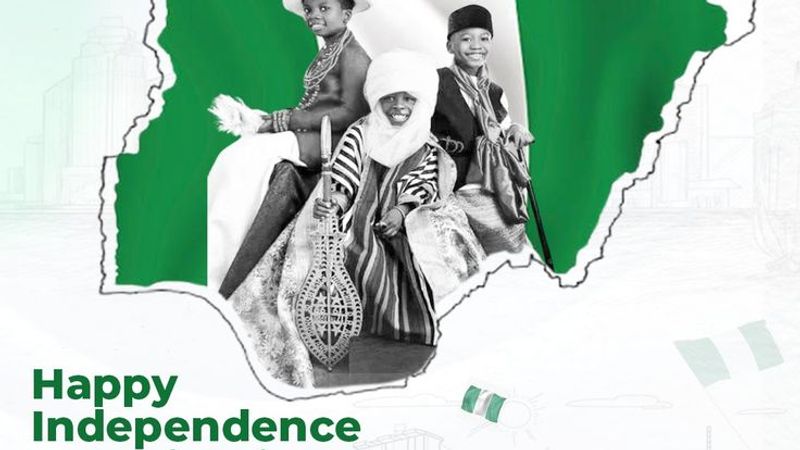
Photo Credit: Aishat Kayode/Pinterest
Nigerian culture has gained global recognition through music, film, literature, and arts, while the country emerged as Africa's leading technology hub. Nollywood has become the world's second-largest film industry by production volume, and Afrobeats music has achieved international success with artists performing globally. Nigerian fintech companies have revolutionized banking and payment systems, making financial services accessible to millions previously excluded from traditional banking. Lagos, Abuja, and other major cities host thriving startup ecosystems attracting significant investment and producing innovative solutions for African markets.
Healthcare And Infrastructure Development

Photo Credit: Vecteezy/Pinterest
Nigeria has expanded its healthcare infrastructure and invested in major infrastructure projects that connect regions and support national development. The country established medical schools and teaching hospitals that train healthcare workers while implementing public health programs and disease prevention campaigns. Major highway projects, railway modernization, and airport improvements facilitate commerce and improve travel between regions and neighboring countries. Power generation and distribution improvements aim to provide a more reliable electricity supply to support industrial growth and improve the quality of life for citizens.
Celebrating Unity And National Identity

Photo Credit: Pinterest
Nigeria's Independence Day celebrations emphasize national unity despite the country's ethnic, religious, and linguistic diversity across over 250 groups. The green-white-green flag symbolizes the nation's agricultural wealth and the peace that binds diverse communities together. Annual Independence Day ceremonies include presidential addresses, military parades, cultural performances, and award presentations honoring citizens' contributions to national development. These celebrations remind Nigerians of their shared history, common aspirations, and collective responsibility to build a stronger nation for future generations.
Visit Our Website to learn and explore more insights into African entertainment.