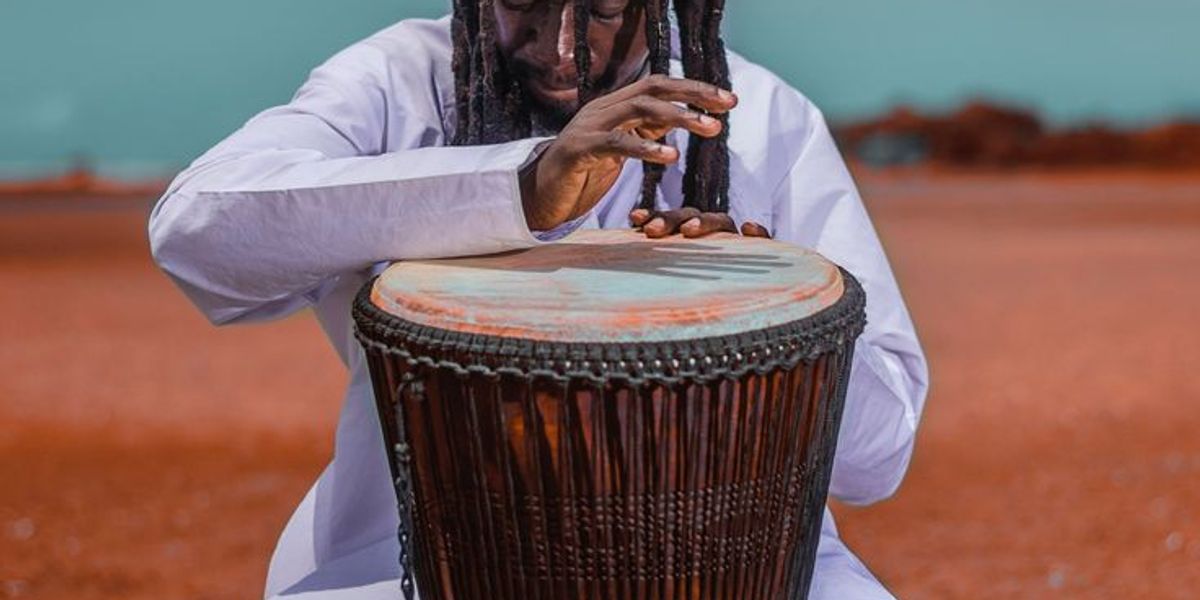
Music, Meditation, and Mysticism in South Africa

Vera Ifechukwu
Click to view profile
Many have seen South Africa’s rhythms and rituals labelled as superstition. They have heard of drumming, singing, trance dances, and dismissed them. They lack an understanding of how music and meditation traditions in South Africa embody spiritual wisdom rather than folklore.
This article seeks to deepen knowledge. It will show what indigenous practices truly mean. Showcase Africa guides you through Zulu drumming, Xhosa throat singing, San trance dances, and sacred chants. You will learn cultural depth, scientific study, reverence, and modern relevance.
The Roots Of Rhythm And Healing Among The San
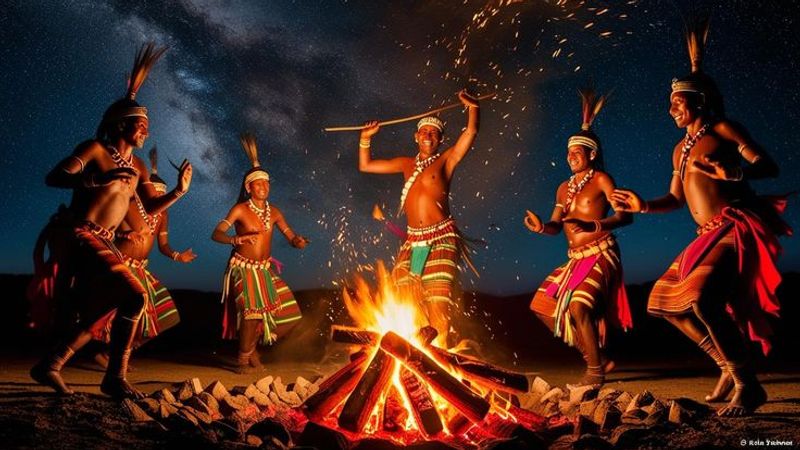
Photo Credit: Strategicabyss/Pinterest
Trance dance among the San (also called Bushmen) is ancient and communal. Music, singing, clapping, and rhythmic stamping build a shared energy field during ceremonies. After hours, dancers enter trance, healing themselves and others. This is not spectacle but sacred healing. The trance dance is central to San spiritual life.
A recent ethnographic and neurological study shows how physical exertion raises energy that the San call “!num”. In a trance state, rhythmic patterns blur self and other, producing altered consciousness, visions, and ancestral contact. These are not imaginary but intensely lived; these counter the misrepresentation of indigenous rituals as mere superstition.
Zulu Drumming And Ukusina: Dance Of The Spirits
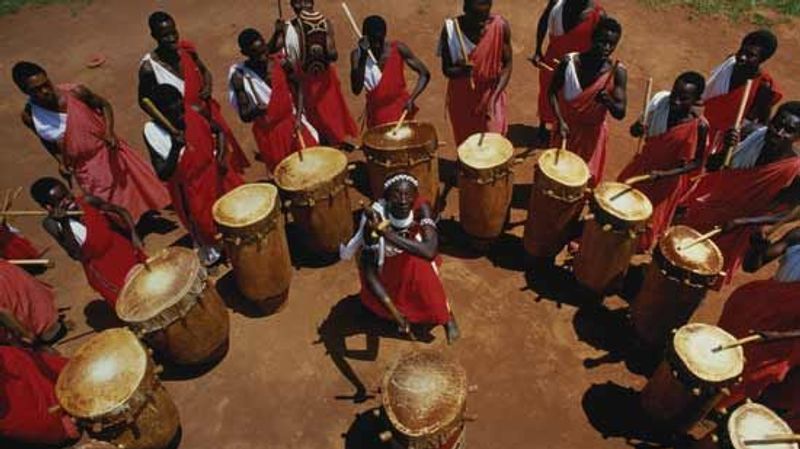
Photo Credit: Ata Silent/Pinterest
Among the Zulu, drumbeats speak beyond sound. Ukusina is a traditional Zulu dance combining drums, beads, animal skins, and call-and-response singing. Performers stamp, kick, and move in line or circle. Drums set the pace, hearts resonate. Ukusina links community, ancestors, ritual, and joy.
Drums in Zulu culture are not only musical; they also mediate spiritual connections, are used in healing, ceremonies, and rites of passage. Their rhythms align body, mind, and spirit. When one listens, one hears history, struggle, and celebration. Contemporary Zulu artists blend traditional drumming with modern beats, bringing ritual into concert halls and festivals.
Xhosa Throat Singing And Sacred Voices
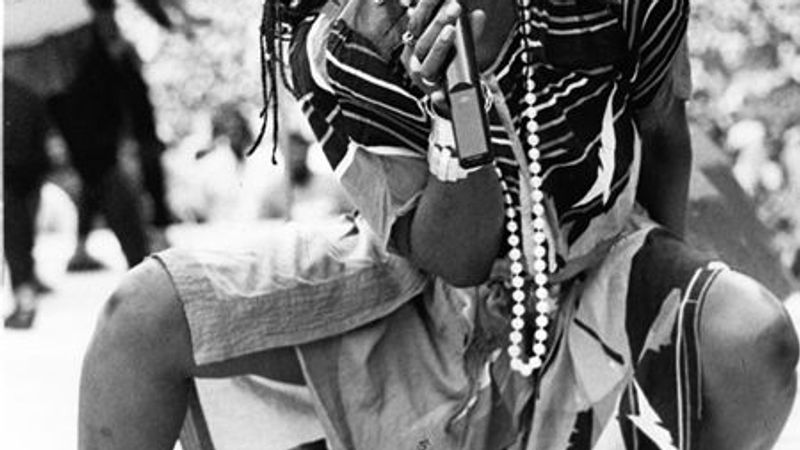
Photo Credit: Haja Samura/Pinterest
Xhosa overtone singing, also called harmonic or overtone chants, uses vocal techniques that layer sounds beyond ordinary singing. Traditional healers and spiritual practitioners employ these sacred voices. They call ancestors, invoke healing, calm souls. Their voice vibrates in the ear and chest, resonating deeply.
These practices have long been misrepresented as primitive. But musical scholars show that overtone singing requires precise control, cultural knowledge, and spiritual discipline. In modern times, healers and artists are reviving overtone singing in workshops, recordings, and festivals. This updates global awareness about these traditions.
San Trance Dances: Mysticism In Motion

Photo Credit: Kefilwe Monosi
San trance dances are communal, deeply spiritual. Through singing, clapping, and rhythmic movement, participants enter altered states. The experience can include vision, contact with spirits, and healing of community wounds.
A scientific paper, “San trance dance embodied experience and neurological mechanisms,” describes changes in brain regions during trance, such as the insula and temporal parietal junction. These findings show trance is not imagined but physiological. Traditional healers navigate pain, fear, and ecstasy as part of the ritual process. That knowledge underscores respect rather than dismissal.
Sacred Chants, Medicine Songs, And The Power Of Voice
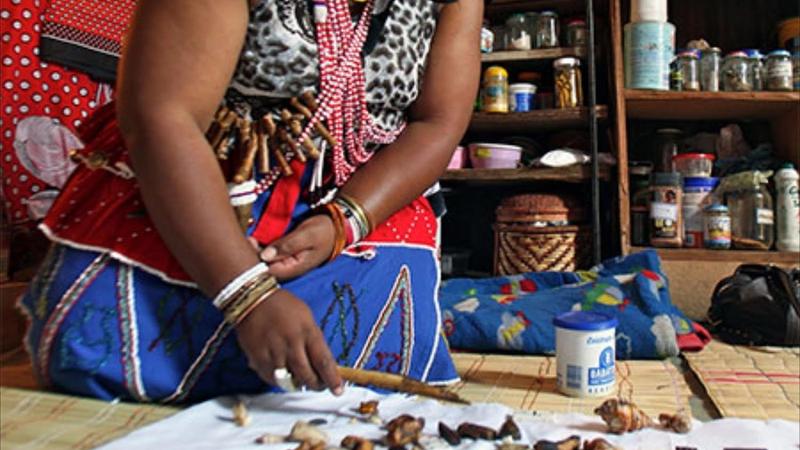
Photo Credit: The Herald
Sacred chants and medicine songs in many South African indigenous cultures are conduits to ancestral wisdom. Among the San, women’s rhythmic singing supports healers entering trance among Zulu and Xhosa healers, singing praise, prayer, lament, and invoking ancestors. The voice becomes a bridge between the seen and the unseen.
Doctors of sound say that music has therapeutic value. They offer solace, mental healing, and group cohesion. Such songs are tools of meditation, not mere entertainment. When misrepresented, their power is stripped. Understanding them affirms dignity and spiritual tradition.
Scientific And Ethnomusicological Insights

Photo Credit: B Braga/Pinterest
Recent studies provide updates and trends on how music and meditation traditions in South Africa influence well-being. One archaeoacoustic study in the Maloti-Drakensberg mountains analysed sound interactions in San rock art sites. The echoes, stone surfaces, and percussive noise helped induce meditative or trance states.
Another ethnographic work confirms that trance dance rituals among the San include hours-long clapping, stamping, and singing, affecting physiological responses such as heart rate, sweating, and emotional release. These findings argue for respect, rather than dismissal, of indigenous practices.
Addressing Misinterpretation And Stereotypes
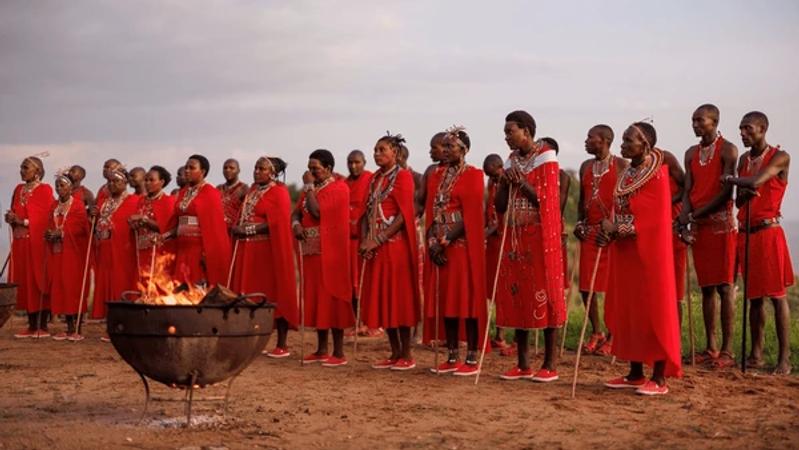
Photo Credit: Shutterstock
Many outsiders label these rituals as superstition. They misunderstand metaphors as literal spirits, healing songs as irrational beliefs. That misinterpretation erodes trust and damages tradition. It alienates indigenous practitioners. It silences voices.
Correcting a misunderstanding starts by listening. Scholars must use indigenous frameworks. Media must explain the meaning, not only the exotic spectacle. Education must include indigenous spiritual traditions alongside mainstream religious studies. This builds cultural competence, respect, and dignity.
Practices In Meditation And Spiritual Wellness
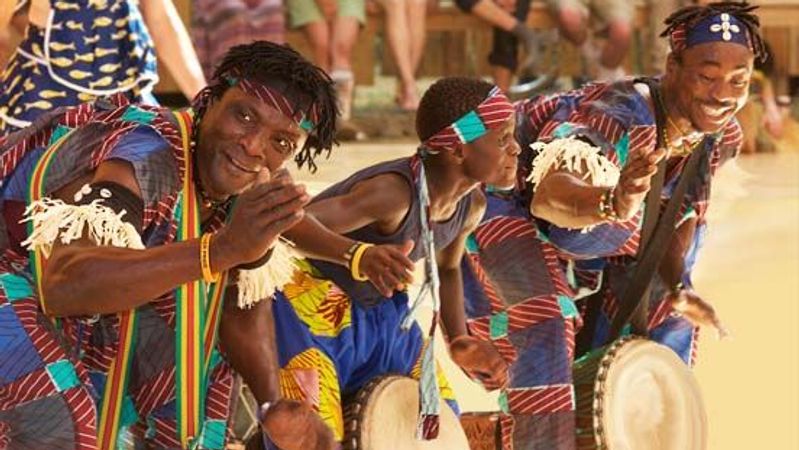
Photo Credit: Jessica Hatfield/Pinterest
Music and meditation traditions in South Africa offer wellness models. Practices like rhythmic drumming, overtones, chant, and dance can help with stress, trauma, and anxiety. Community healing sessions draw from San trance dance, Zulu drum circles, and Xhosa healing chants.
Modern wellness movements can adapt these traditions with care and respect. Use ritual intention, safe space, consent, and respect cultural meaning. Avoid appropriation. Collaborate with elders and practitioners to guide the application. When done well, spiritual wellness grounded in indigenous practice nurtures soul and community.
Modern Revivals And Trends
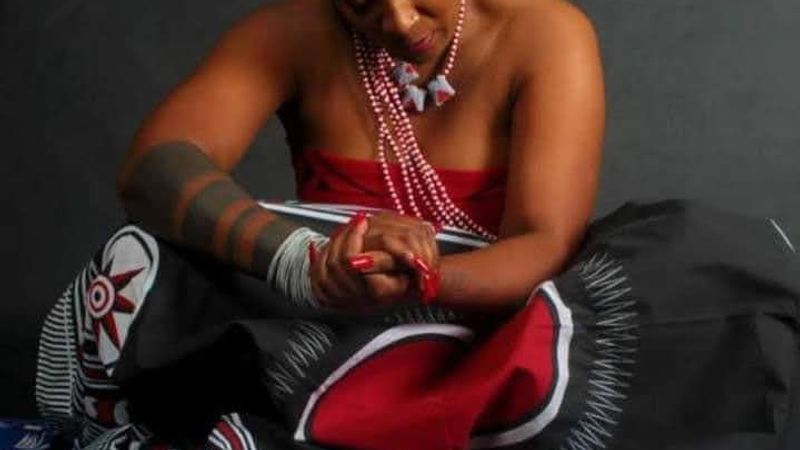
Photo Credit: Mama Baki/Pinterest
Several contemporary artists, healers, and cultural activists are reviving indigenous music and meditation traditions. Festivals showcase trance dance, healing sound, and overtone voices. Workshops teach Ukusina drumming to youth; traditional healers partner with researchers to document and protect medicinal songs.
There is growth in digital archiving and audio-visual recordings of sacred chants. Social media spreads understanding of San dance, Zulu ancestral drumming, and Xhosa overtone singing. These updates preserve culture and invite broader respect. Showcase Africa often features these stories.
Cultural misrepresentation hurts indigenous communities. It disempowers traditions, causing shame or loss of practice. When people dismiss music and meditation traditions in South Africa, they deny history, identity, and spiritual agency. Understanding these traditions restores respect and visibility. It strengthens cultural identity. It fosters reconciliation, mental wellness, and shared humanity. Shared knowledge combats prejudice, builds community.
Visit Our Website for more African Insights.