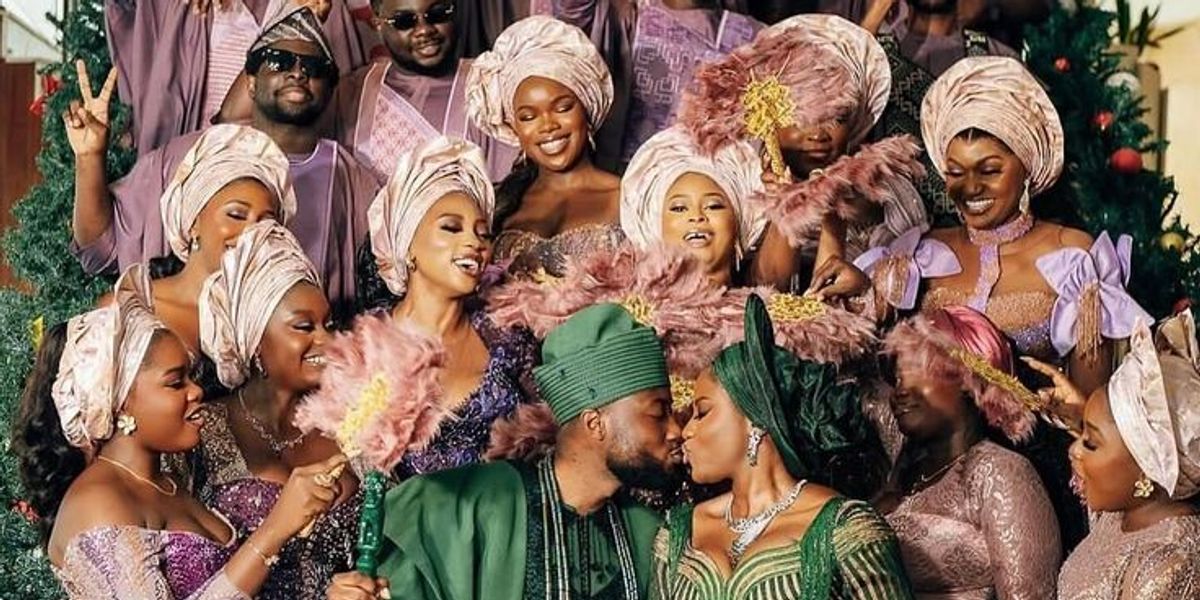
Marriage Rituals That Unite Communities Across Africa

Titilayo Ifeoluwa
Click to view profile
Imagine stepping into a village courtyard in Ghana, bathed in that warm, golden light of the late afternoon. The air isn't just warm; it's electric with life. Drums begin to pulse a powerful rhythm, and the voices of the women, full of joy and history, weave a rich tapestry of blessings around the bride and groom.
When these entire communities gather to witness a marriage, they're not just observing a ceremony where "two become one." They are actively affirming something much bigger: the profound connection between families, the survival of their shared heritage, and the optimistic future of their people. It's a statement that says, "We are all in this together," celebrating not just a couple but the community's continuing strength.
The Significance of Marriage in African Community Life
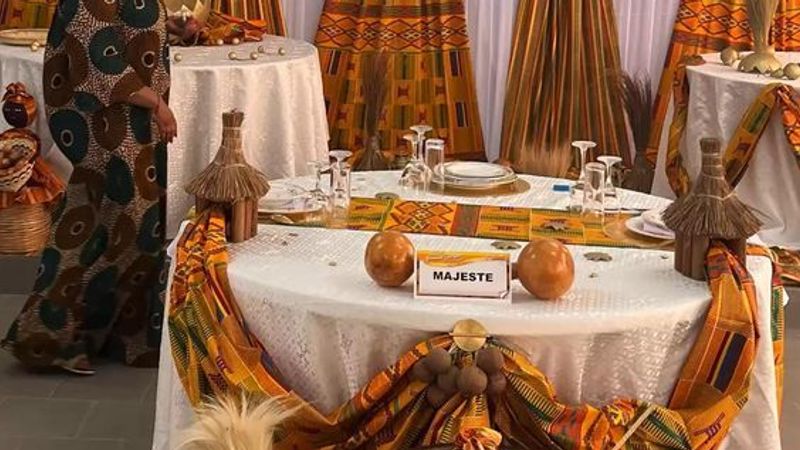
Photo Credit: DJAIT Affoué Lucienne
Marriage in many African societies is not simply a contract between two individuals but a union of families, clans, and sometimes entire villages. Scholars note that marriage is deeply embedded in community life, helping to transmit culture, secure alliances, and build social cohesion. The bride and groom thus become conduits for wider relationships and collective futures.
The Introduction Ceremony: Bringing Families Together
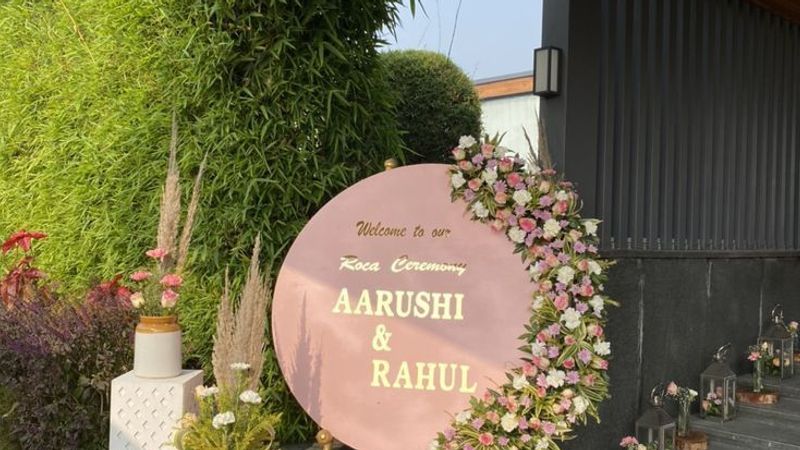
Photo Credit: HGF Event Planner
In numerous African traditions, the process starts long before the wedding day, with an introduction or “knocking on the door” between families. This ritual officially announces intention, invites elder negotiation, and signals communal support. For example, among the Igbo of Nigeria, the groom’s family must visit the bride’s compound to present their request and negotiate the bride price. This stage creates a public link between families and fortifies social ties.
The Bride Price and Gift Negotiation as Communal Bonding
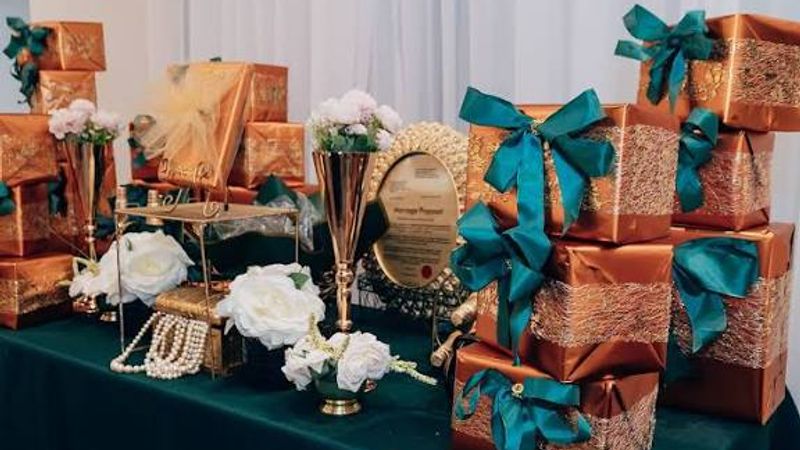
Photo Credit: Event design by BE
One of the most distinctive features of African wedding traditions is the bride price or gifting process, where the groom’s family presents wealth, goods, or livestock to the bride’s family. This is less about purchase than about recognizing the bride’s value and the families’ alliance. Such negotiations are communal events, often festive and involving elders, and affirm that marriage is embedded in social networks.
Vibrant Attire and Ritual Symbols That Unite Communities
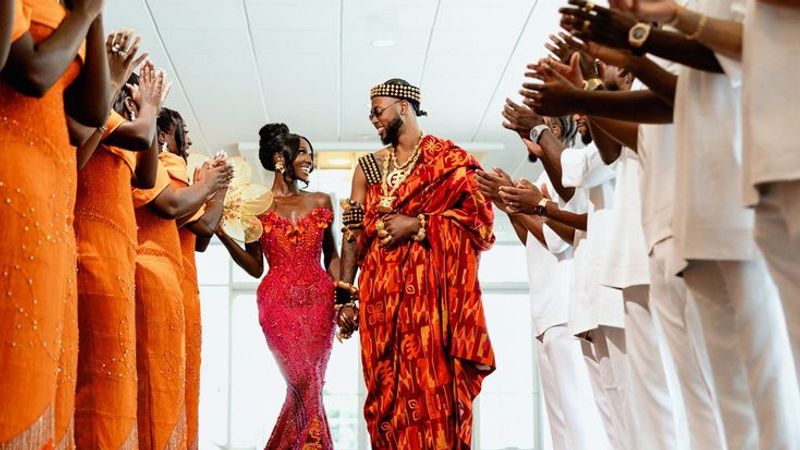
Photo Credit: Essence Magazine
Clothing, adornment, and symbolic acts during the ceremony act as visual language that carries meaning across generations. From the colourful kente in Ghana to the intricate beaded garments of the Zulu in South Africa, attire conveys identity, heritage, and respect. Ritual symbols like the kola nut, the carrying of wine, or the tying of skirts and cloths also provide sensory links between communities and the living traditions they share.
Ceremonial Dancing and Music as Collective Expression
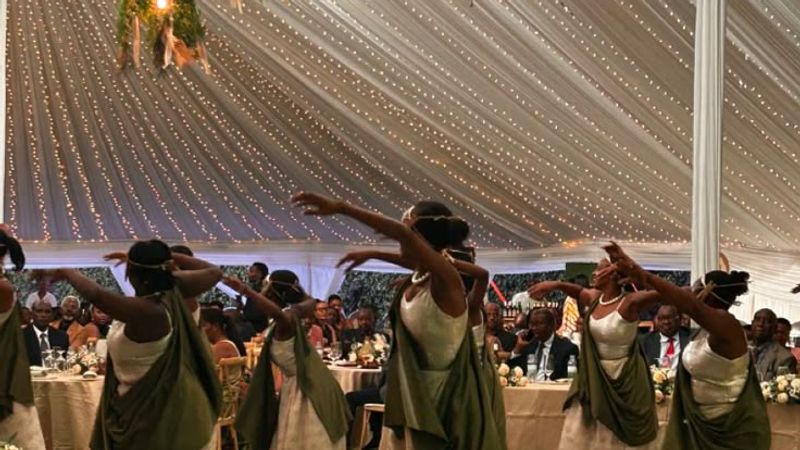
Photo Credit: Pinterest
Music and dance often elevate marriage ceremonies from private solemnity to collective celebration. Rhythms call families and communities into communal participation, where everyone becomes part of the wedding story. For example, traditional dances such as the Zulu ukusina are performed at weddings to mark cultural continuity and communal joy. When the drums beat and feet move, the community is alive around the couple.
Modern Trends in African Wedding Traditions and Community Ceremonies
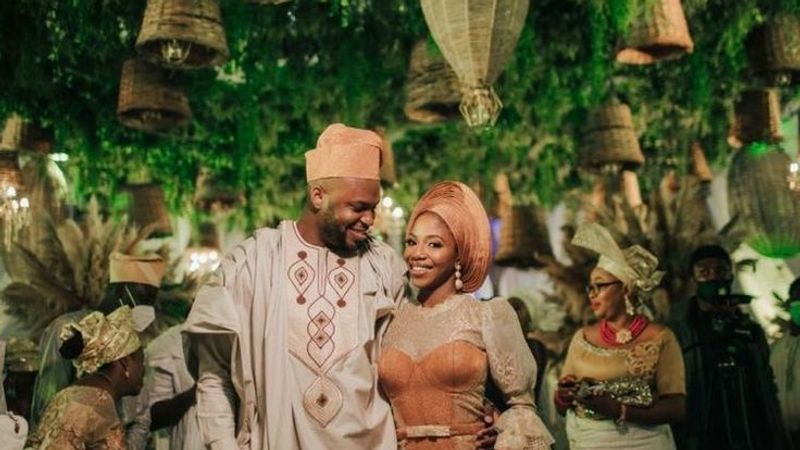
Photo Credit: Ibukun O
Today, we see evolving marriage rituals across Africa as modernity meets tradition. Urban couples may blend flights of runway style with ancestral customs, or stream ceremonies for far-flung kin. Research indicates that while some practices adapt, the communal dimension remains strong. These trends provide updates and demonstrate that vibrant traditions need not stagnate but can resonate in changed times while retaining communal meaning.
Practical Tips for Embracing Community-Oriented Rituals

If you are planning a wedding that honours community rituals, consider these practical steps:
• Engage elders and family from both sides early, ensuring mutual respect and shared purpose.
• Include gift negotiation as a bonding event rather than a mere transaction. Frame it as an exchange of goodwill.
• Celebrate communal symbols, organize a ritual like the kola nut presentation or collective dance.
• Ensure the attire and ritual elements evoke community heritage. Choose clothes, beads, or traditional motifs.
• Accept modern adaptations but maintain the communal dimension, livestream for distant kin, but host a local gathering.
By doing so, you drive traffic and lead interest in community ceremonies in a meaningful way.
Challenges and Solutions in Preserving Community-Centered Traditions
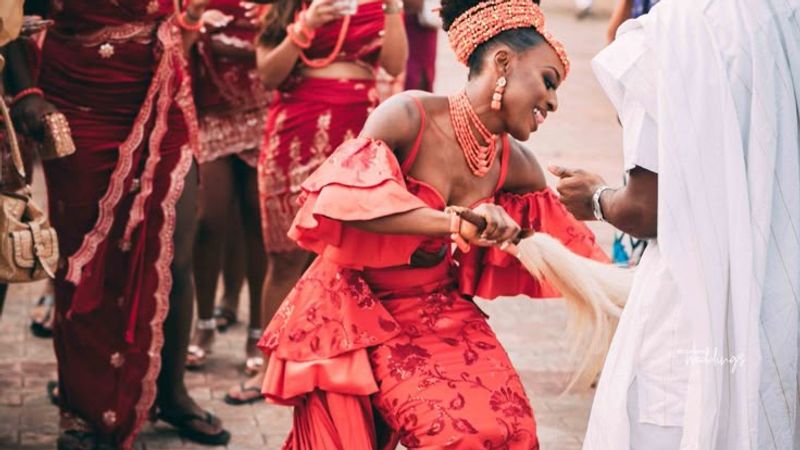
Photo Credit: Pinterest
Preserving deep-rooted rituals can face challenges: urban migration, cost pressures, and social change may erode communal involvement. Some couples default to minimalist ceremonies that exclude elder participation or broader community input. Solutions include actively budgeting for community rituals, balancing tradition with budget constraints, and inviting diaspora family members to participate in ceremonies that root the union in community, whether in person or virtually.
The Role of Rituals in Celebrating Africa’s Voices
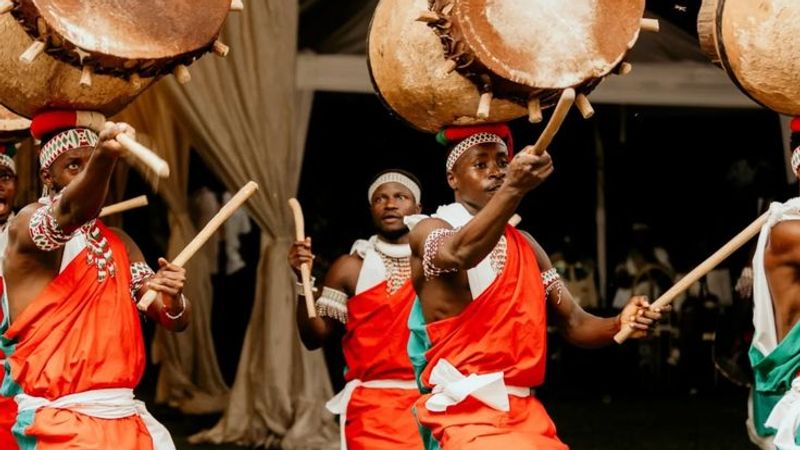
Photo Credit: Afrocentric Home Decor || African Shop
When we celebrate marriage through communal rituals, we affirm that Africa’s voices deserve to be heard by Africans and by the world, so that the world can understand and appreciate them. These community ceremonies are not just spectacles: they are cultural affirmations, storytelling embedded in relationship, tradition standing in unity. They witness the intertwining of family ties, of lineage, and place. Across the continent, these rituals remind us that love and unity are lived in community, not in isolation.
Visit Our Website for further inspiration, case studies of African wedding traditions, community ceremonies, and practical guides to planning and preserving these rich cultural moments.