Market Squares as Cultural Stages: The Theatre of Everyday Life in Africa

Titilayo Ifeoluwa
Click to view profile
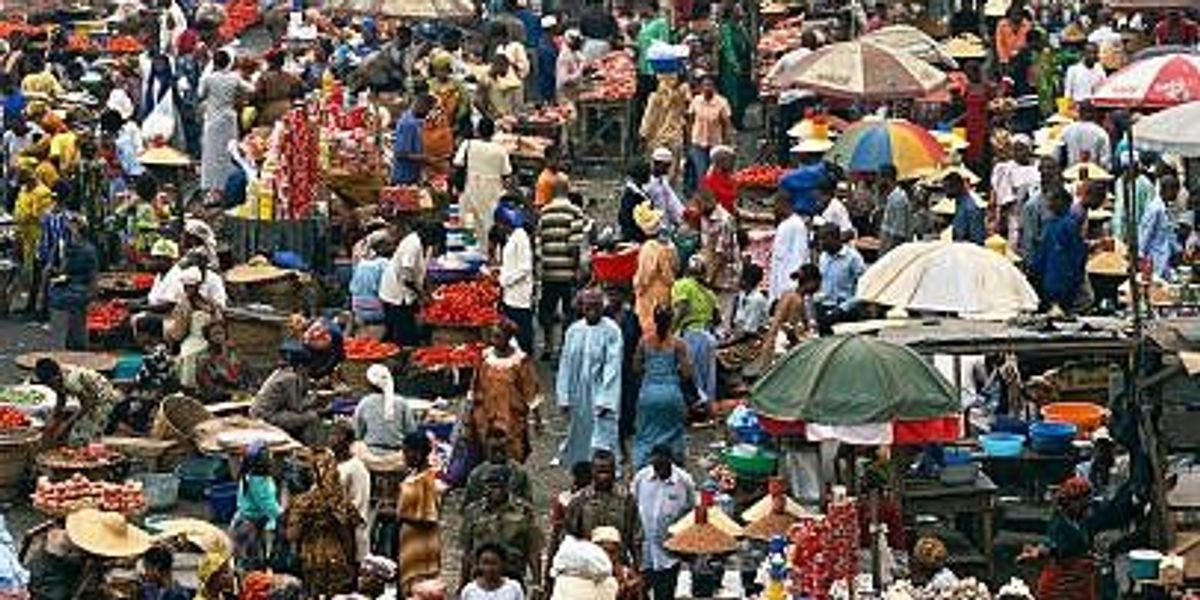
Across Africa, the market square is far more than a place of trade it is a cultural stage, a theatre where the daily drama of life unfolds. Laughter, bargaining, music, and fashion all mix with commerce, transforming the square into a social hub. For centuries, these markets have not only fed communities but also served as spaces of performance, storytelling, and identity. From dawn to dusk, these spaces echo with the voices of traders, drummers, dancers, and storytellers, transforming ordinary marketplaces into theatres of everyday life. Here, culture is not confined to museums or festivals; it thrives in the daily interactions of buyers and sellers, the music of bargaining, and the rituals that accompany trade.
Markets in Africa embody the pulse of community life. They are meeting points of tradition and modernity, where ancestral practices coexist with global influences. Beyond being places of exchange, market squares are where politics are debated, fashion is displayed, songs are performed, and identities are celebrated. They are not just economic centers they are cultural playgrounds that shape and reflect the African way of life. Each stall, song, and shout tells a story, reminding us that markets are not simply about exchange, but about heritage and human connection.
The Market as a Social Stage
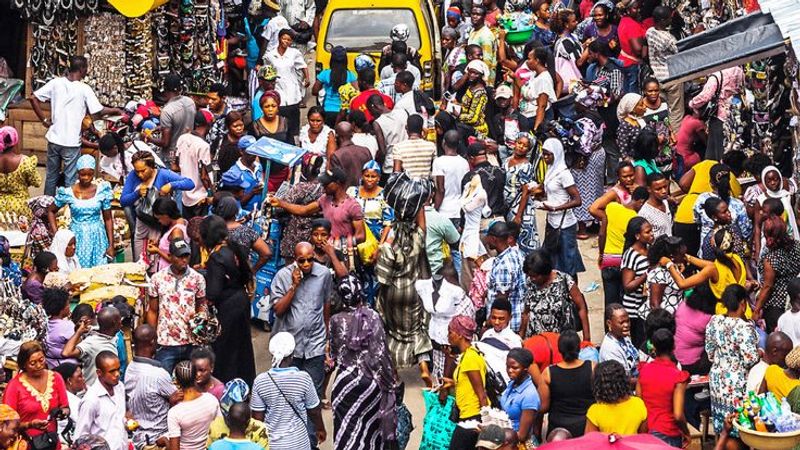
Photo Credit: Nirvana Travel/ Pinterest
In Africa, the market square is often the beating heart of society. It is where elders share wisdom, young people showcase trends, and travelers encounter new cultures. The energy of the marketplace creates a stage-like atmosphere where everyone, knowingly or not, becomes both actor and audience in the drama of daily life.
A Day in the Market: More Than Buying and Selling
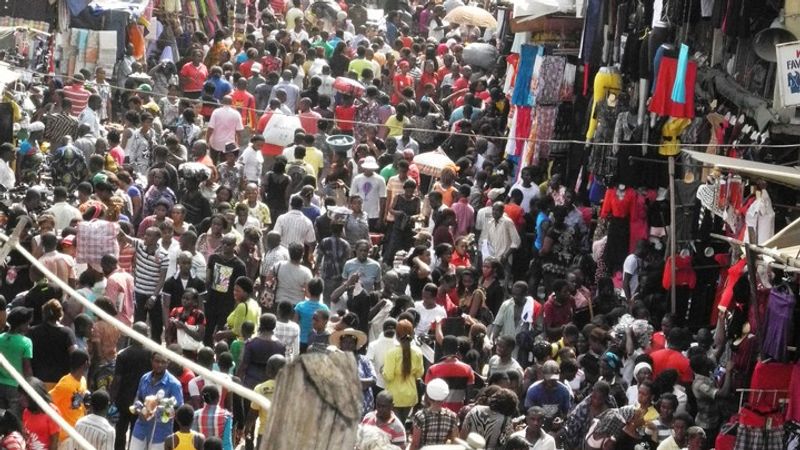
Photo Credit: Alexa Anthonie/pinterest Onitsha market, Nigeria.
Imagine stepping into Onitsha Main Market at sunrise, one of the largest in West Africa. The air is thick with the smell of freshly ground pepper, fried akara, and smoked fish. Drummers beat rhythms at the entrance to draw crowds to a new stall, while women in vibrant wrappers haggle with traders, their voices rising and falling like a chorus. A child runs past, clutching a loaf of bread, chased by his laughing mother. Here, every action is a performance the seller adjusting his wares, the buyer pretending to walk away, the musician filling silence with song. The market square is alive, and everyone has a role in its daily drama.
Festivals and Rituals in the Market
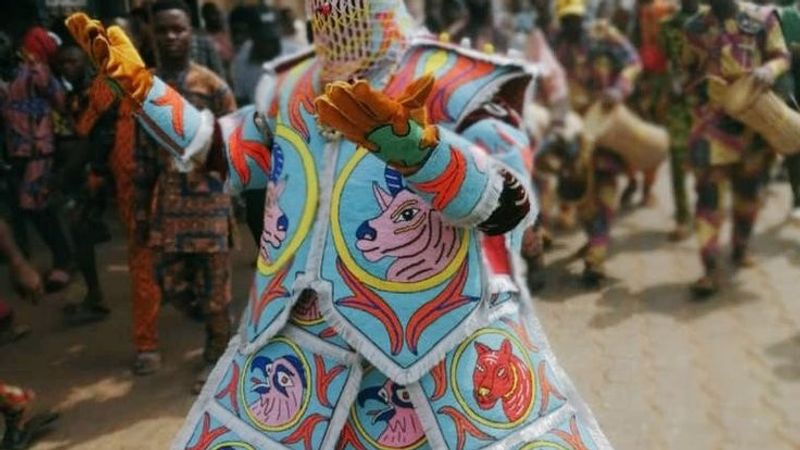
Photo Credit: Pinterest
Beyond trade and politics, market squares often serve as sacred spaces where rituals and festivals unfold. In Yoruba towns, certain market days are tied to deities, with masquerades and drumming filling the square in honor of gods and ancestors. In Ethiopia, markets double as gathering spots during Timket celebrations, where music and dance spill into the stalls. These events remind us that African markets are not just commercial zones but living cultural theatres where spirituality and celebration meet daily life.
Storytelling and Oral Traditions
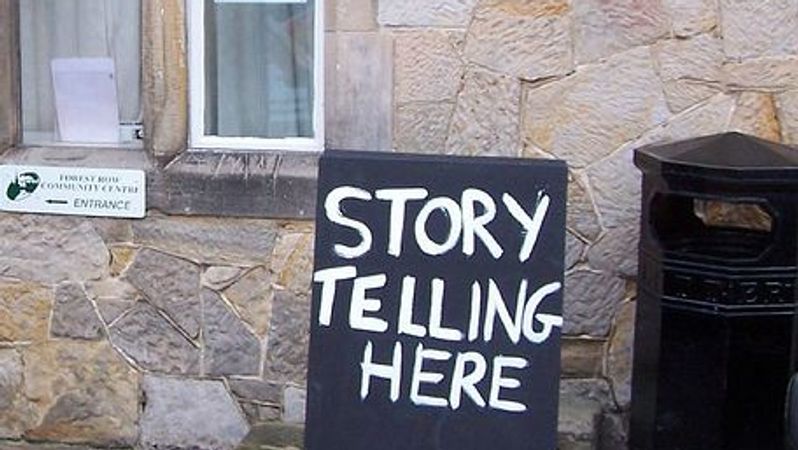
Photo Credit: Pinterest
Markets have historically been places where griots, poets, and storytellers performed. In Mali and Senegal, griots once used markets to recite family histories and sing praise songs, weaving culture into trade. These performances ensured that cultural memory was preserved and passed on to the next generation while entertaining the crowds.
Soundscapes of the Market
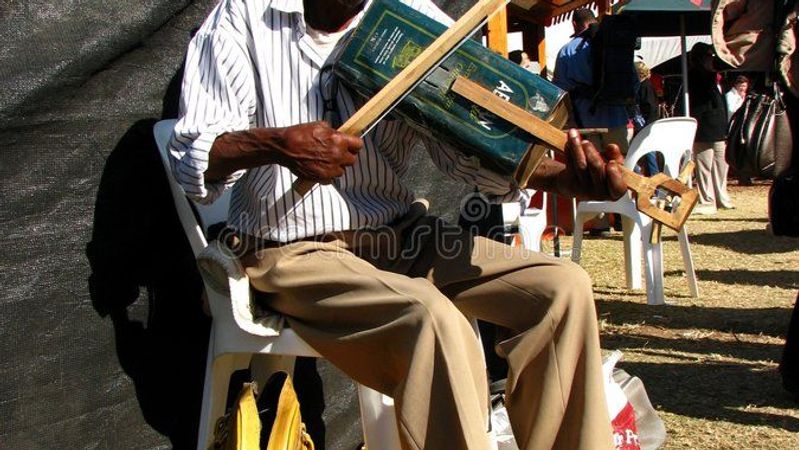
Photo Credit: Dreeamstime Stock Photo/ Pinterest
African markets are filled with sound drums, chants, bargaining cries, and sometimes live performances. In Yoruba land, drummers often play at markets during festive seasons, while in Ghana, local singers use the market as a platform to launch songs. These soundscapes give markets their theatrical feel, blending commerce with performance.
Real-Life Drama in the Market Square
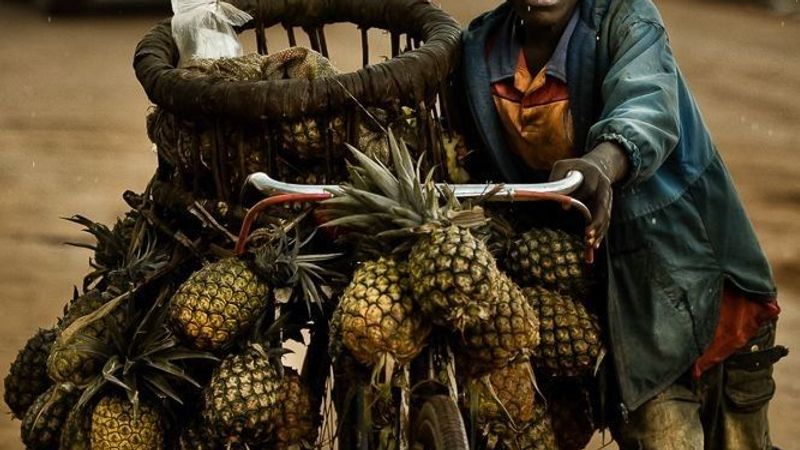
Photo Credit: Bilal Demirok/ Pinterest
Markets are living stages where every vendor, buyer, and performer plays a role. In Lagos, for instance, over 400 markets bring together thousands of people daily. From the bustling Balogun Market to the famous Mile 12 food market, every corner echoes with voices and colors. Lagos alone is home to about 1.2 million street vendors, showing how deeply ingrained market life is in its social fabric.
People, Power, and Pride
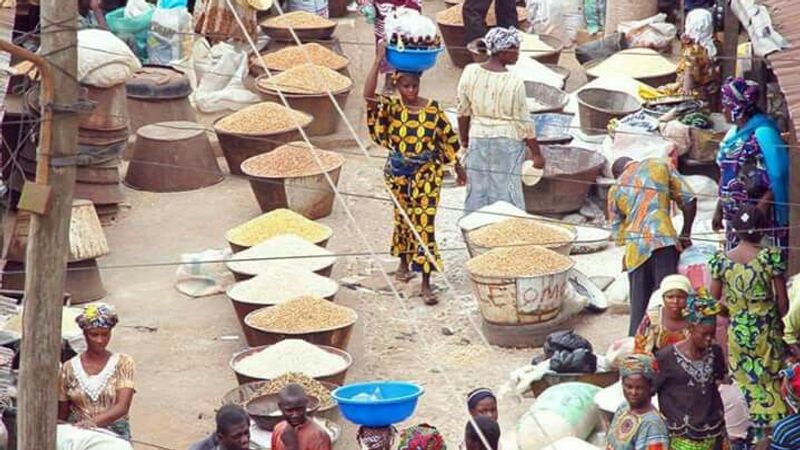
Photo Credit: Christiane Oliveira/ Pinterest
Markets are more than economic units; they are places of identity, prestige, and belonging. Across sub-Saharan Africa, over 80% of employed people work in the informal sector, with market activity contributing more than 50% of official GDP in many economies. For traders, market squares are not simply workplaces; they are symbols of pride and survival. Families pass down stalls for generations, while certain locations become tied to community identity. Like theatres, each day brings a new “performance,” with buyers and sellers showcasing the creativity, resilience, and cultural spirit of Africa.
Political and Religious Theatre
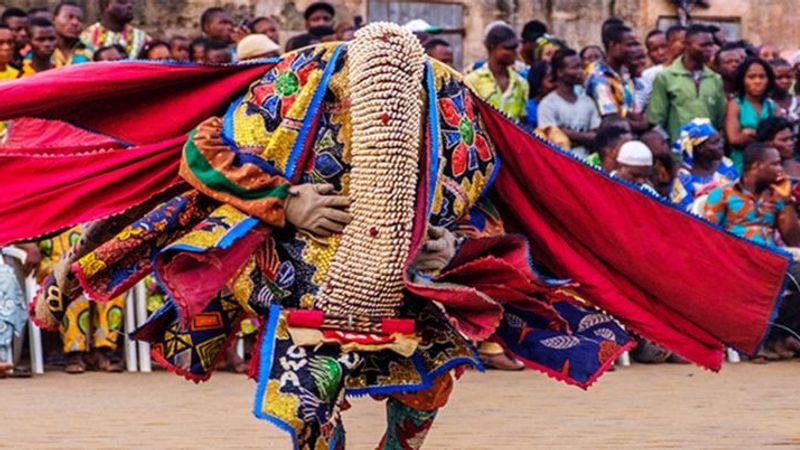
Photo Credit: Pinterest
Market squares have long been political and spiritual stages. In pre-colonial Africa, kings and chiefs often addressed their people in markets because they guaranteed the largest gatherings. Rituals, masquerade displays, and religious festivals frequently take place in marketplaces, making them multipurpose theatres of power and faith.
The Economy Behind the Stage
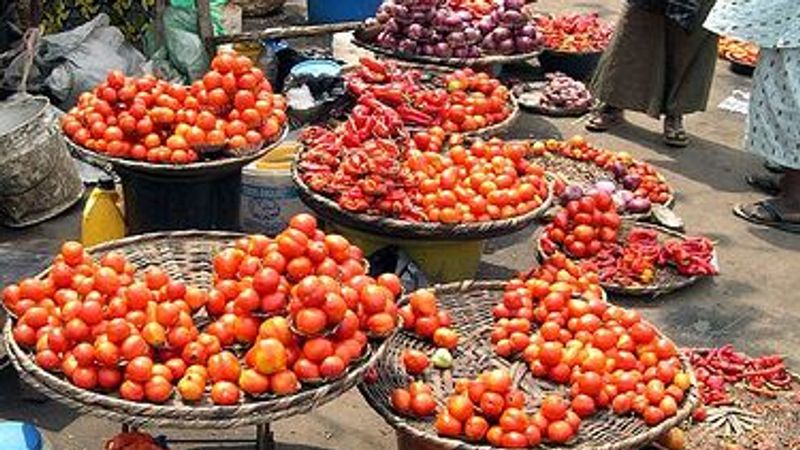
Photo Credit: Pinterest
African markets are not just vibrant; they are powerful engines of the informal economy. Informal retailing makes up nearly 98% of transactions in Nigeria, 96% in Ghana, and about 70% in Kenya . This means most Africans buy and sell outside formal supermarkets, relying on their local markets for survival. With traders and artisans driving commerce, the market square is where the continent’s resilience shines. Governments are also beginning to recognize this: in Lagos, the Market Trader Money initiative empowered 15,000 traders with financial support to sustain their businesses.
The Market as a Cultural Archive
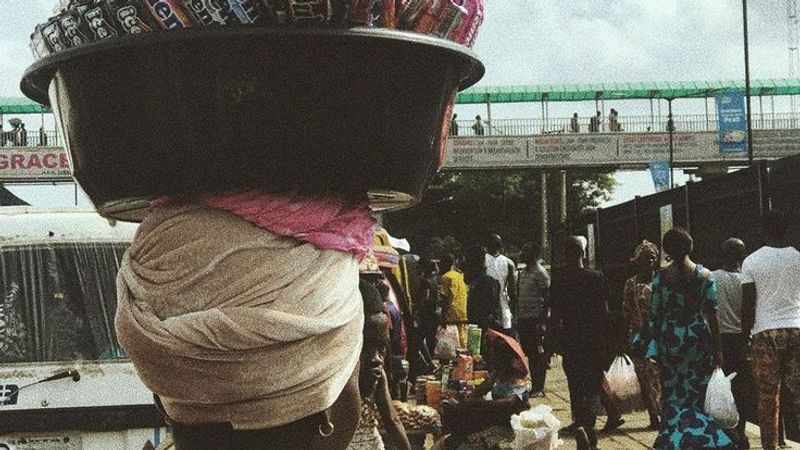
Photo Credit: Lasgidi City/Pinterest
Each market is a living archive of culture. From the languages spoken to the food sold, the hairstyles displayed to the proverbs exchanged, markets record the identity of a people. They are dynamic museums without walls, where traditions evolve while remaining rooted in heritage. Markets also function as cultural crossroads. Street performers, drummers, and dancers often gather to entertain buyers, while storytellers and poets use the square as a stage for oral traditions. In Ghana, open-air markets often feature adowa or kpalongo performances, turning commerce into celebration. The blending of commerce and creativity ensures that market spaces are never static but constantly alive with expression.
Visit Our Website to learn more and explore Africa.