Manufacturing in Africa: Industrial Hubs Attracting Global Investment

Andy Akinbamini
Click to view profile
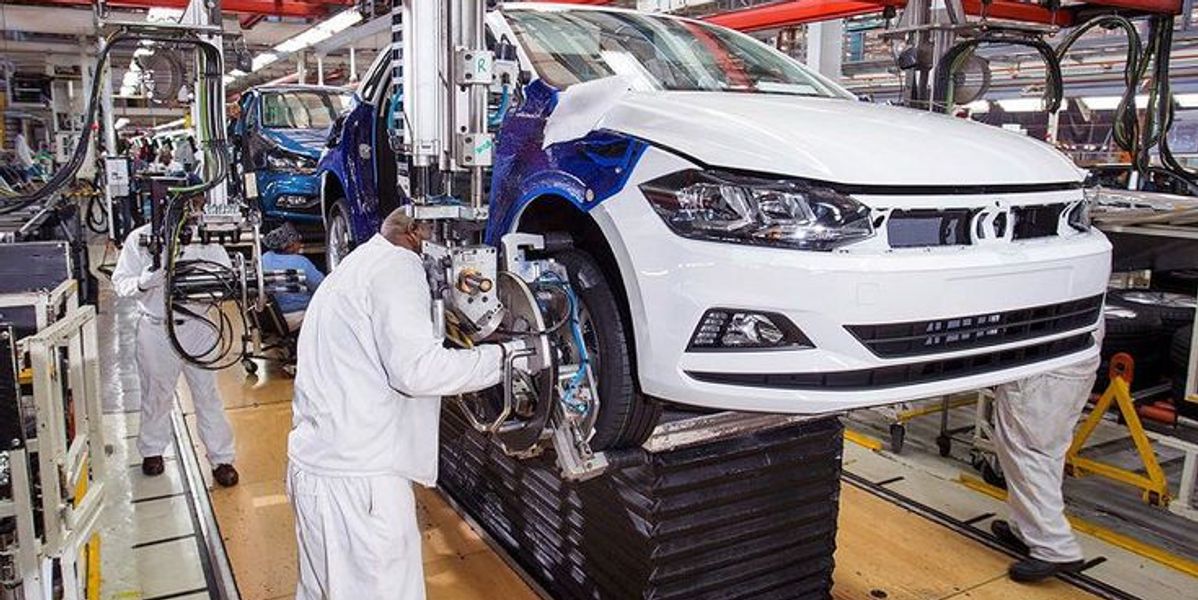
Africa’s manufacturing sector is gaining traction as global investors seek to diversify their supply chains and tap into the fast-growing regional markets. Industrial hubs across the continent offer competitive advantages, including affordable labor, improved infrastructure, and strategic access to key markets.
These hubs now produce a wide range of goods, including automotive parts, textiles, processed foods, and consumer products, serving both domestic demand and international exports. With a young workforce, rich natural resources, and expanding consumer bases, Africa’s manufacturing potential is immense. `
South Africa Leads Continental Manufacturing Output
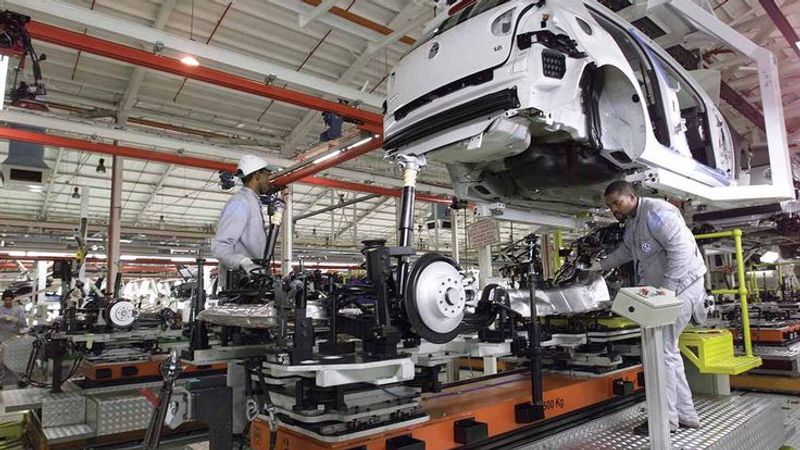
Photo credit: Jeff Lupient/Pinterest
South Africa maintains its position as Africa's largest manufacturing hub, with the sector contributing approximately 13% of the country's GDP. The country offers diversified manufacturing capabilities spanning automotive production, machinery, chemicals, food processing, and advanced manufacturing technologies. South Africa benefits from established infrastructure, a skilled workforce, robust financial services, and well-developed supply chains that support complex manufacturing operations. Johannesburg, Durban, and Cape Town serve as major industrial centers attracting both domestic and international manufacturing investments.
North African Manufacturing Centers Show Strong Growth
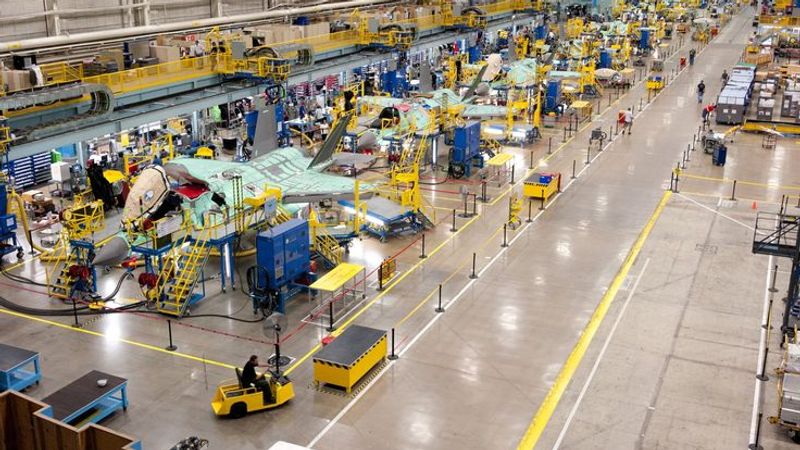
Photo credit: Shootingstardesigning/Pinterest
Egypt has emerged as a major manufacturing hub, with sectors such as textiles, food processing, chemicals, and automotive assembly attracting significant investment. Morocco's manufacturing sector focuses on automotive parts, aerospace components, and textiles, with international project finance deals increasing 15% in value, driven by large-scale infrastructure projects. Tunisia's manufacturing capabilities in textiles, mechanical industries, and electrical equipment serve European and regional markets with competitive quality and pricing.
West African Industrial Development Accelerates
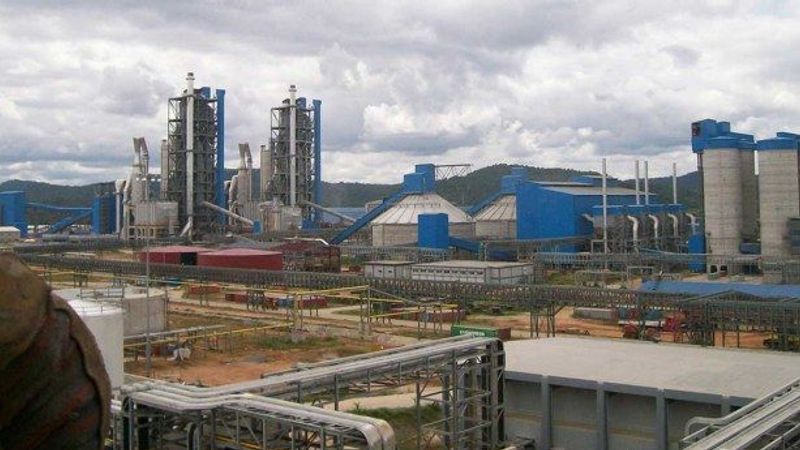
Photo credit: Pinterest
Nigeria's manufacturing sector contributes around 8.7% of the country's GDP, heavily driven by the food, beverages, tobacco, and cement industries, which serve regional markets. Ghana has developed manufacturing capabilities in food processing, textiles, and light manufacturing, thanks to government support through industrial parks and incentives. The West African region benefits from large consumer markets, agricultural resources for processing, and improved regional trade integration. Manufacturing investments in West Africa focus on serving growing domestic demand while building export capabilities for regional and international markets.
East African Manufacturing Hubs Expand
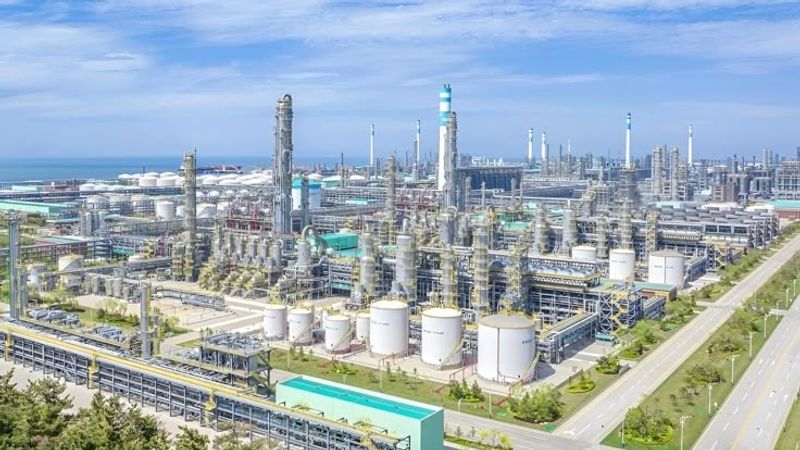
Photo credit: Pinterest
Kenya serves as East Africa's manufacturing hub, with food processing, pharmaceuticals, textiles, and consumer goods production facilities that cater to the regional market. Ethiopia has attracted significant investment in textile and garment manufacturing due to its competitive labor costs and government incentives for industrial development. Rwanda is developing its manufacturing capabilities, with a focus on construction materials, food processing, and light manufacturing, which support the country's national development goals. East African manufacturing benefits from regional market access, improved infrastructure, and government commitment to industrial development strategies.
Special Economic Zones Drive Industrial Investment
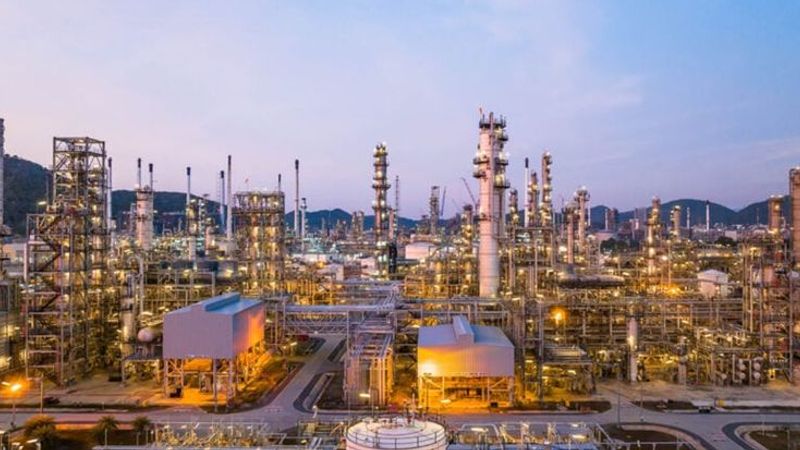
Photo credit: nzuzo/Pinterest
African countries are establishing special economic zones offering tax incentives, streamlined regulations, and dedicated infrastructure to attract manufacturing investments. These zones provide reliable power, transportation access, customs facilitation, and business support services, reducing operational challenges for manufacturers. Special economic zones focus on specific sectors, including textiles, automotive, electronics, and agro-processing, to build concentrated industrial capabilities. The zone model helps countries attract foreign direct investment while creating employment and technology transfer opportunities for local communities.
Infrastructure And Skills Support Manufacturing Growth
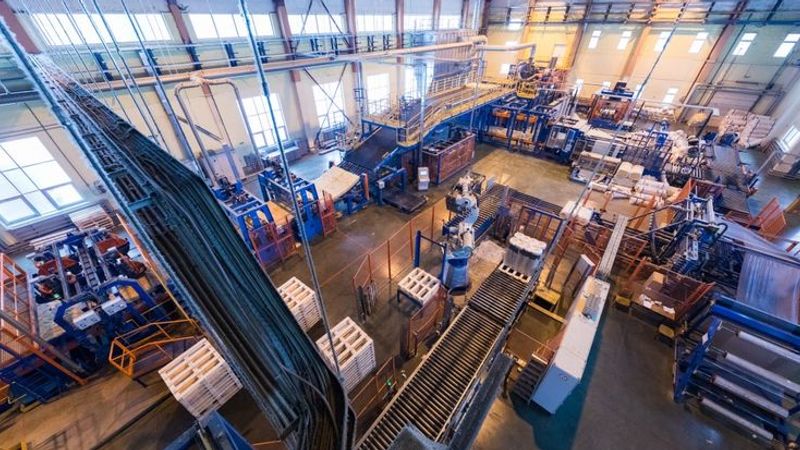
Photo credit: Pinterest
Manufacturing expansion requires reliable infrastructure, including power supply, transportation networks, water systems, and telecommunications supporting production operations. African countries are investing in technical education and vocational training to develop skilled workforces that can support modern manufacturing requirements. Infrastructure improvements in ports, railways, and highways reduce logistics costs while improving access to raw materials and export markets. Continued infrastructure development and skills training remain essential for African manufacturing competitiveness and attracting sustained global investment.
Visit Our Website to learn and explore more insights into African entertainment.