Mane Masterpieces: Creative Hair Art You’ll Only Find in Africa

Vera Ifechukwu
Click to view profile
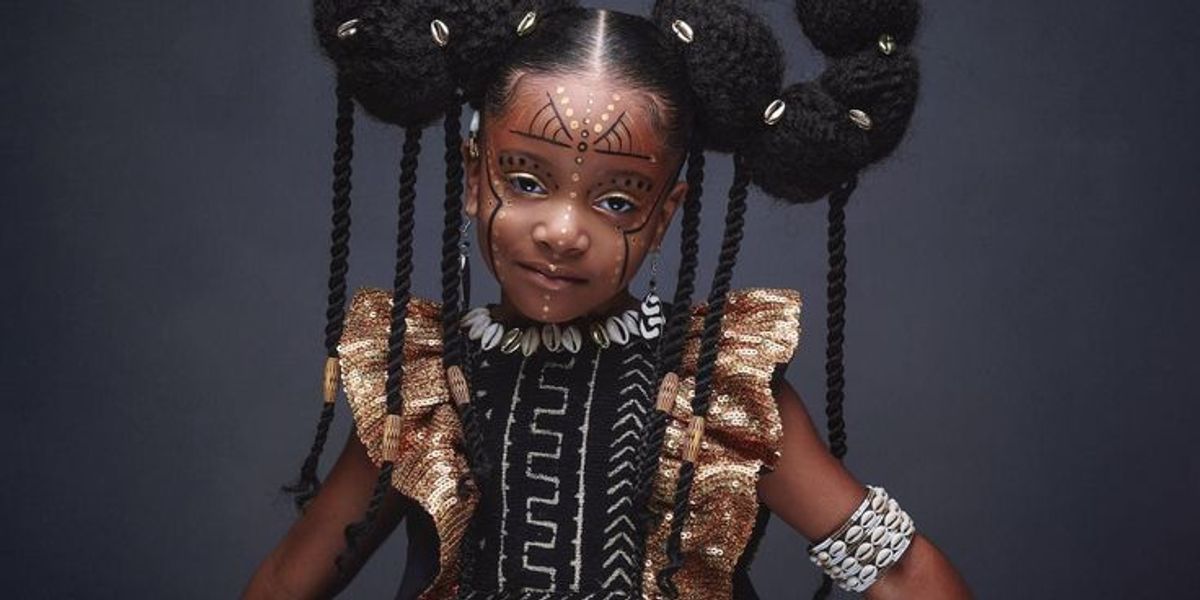
Across Africa, hair is more than beauty; it’s identity, heritage, and history woven into strands. From intricate braids to sculptural patterns, every style tells a story of lineage, love, status, and strength. Hair communicates a person’s age, wealth, and marital status. Different styles represented a person’s tribe and social standing.
Hair is far more than mere style in Africa. In this article, we uncover hidden meanings behind tribal hairstyles and meanings that have shaped Africa’s cultural landscape, and continue to inspire global fashion today. Welcome to a world where hair is history, art, and pride.
The Fulani Braids – Symbols Of Grace And Connection
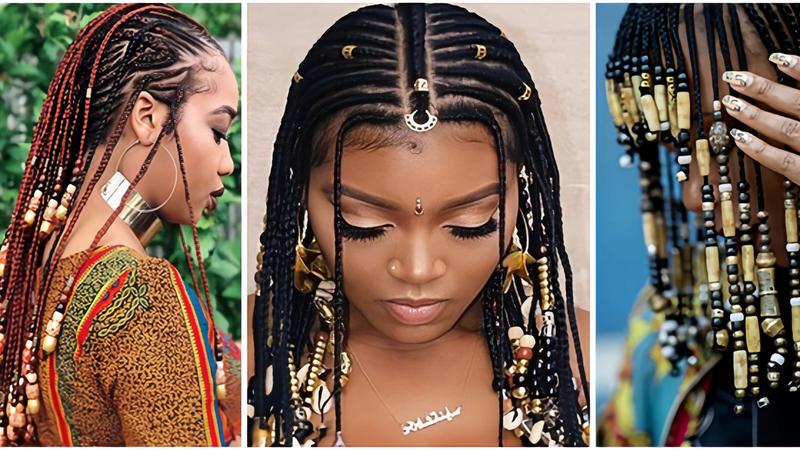
Photo Credit: Afroculture.net
Among the Fulani people of West Africa, braids are more than decorative. They represent family lineage and feminine elegance. Traditionally, Fulani women adorn their braids with beads, shells, and silver coins passed down through generations. Each pattern holds meaning. Central cornrows reflect the line of ancestry, while side braids symbolize the community’s unity. These styles are both functional and spiritual, helping to keep hair healthy in arid climates and expressing pride in identity. Today, Fulani braids inspire global trends. Celebrities and stylists across the world celebrate the style for its versatility, yet few understand its sacred roots. Recognizing its origin honours African women whose creativity has shaped global beauty standards.
The Himba Women Of Namibia – The Red Crown Of Tradition
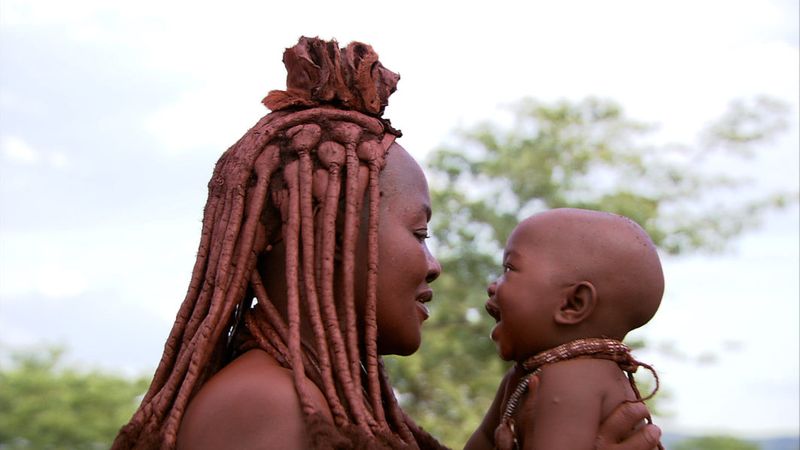
Photo Credit: The Guardian Nigeria News
The Himba people of Namibia are famous for their unique hair and skin. Himba women apply a paste called otjize to their skin and dreadlocks. This mixture is butterfat and red ochre. The distinctive reddish glow symbolises beauty and the earth. Young Himba girls wear two thick braids, ozondato. This style signifies youth and innocence. A single braid covering the face means the girl is ready for marriage. New mothers or married women wear an erembe headdress. The hair reflects every important life stage. The powerful tribal hairstyles and meanings are unmistakable. These hairstyles are as functional as they are symbolic, protecting the scalp from harsh sun and desert dust while preserving the tribe’s legacy.
Yoruba Orisha Styled – Messages To The Gods (Nigeria)
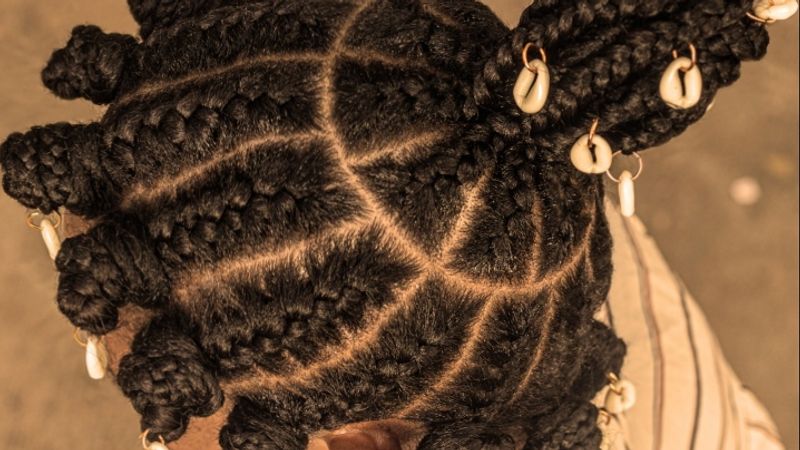
Photo Credit: alteculture.com
In Yoruba culture, hair has a deep spiritual connection. It is associated with the Orishas, the Yoruba deities. Intricate braids are sometimes styled to honour a specific deity. Women may offer their hair to secure protection and blessings. Historical styles, like the cone-shaped braid or Bantu knots, carry significance. Bantu knots originated with the Zulu people of South Africa. They symbolised femininity and status for Zulu women. The hair art is a form of deep spiritual conversation.
Zulu Hairstyles – The Language Of Love And Warrior Pride
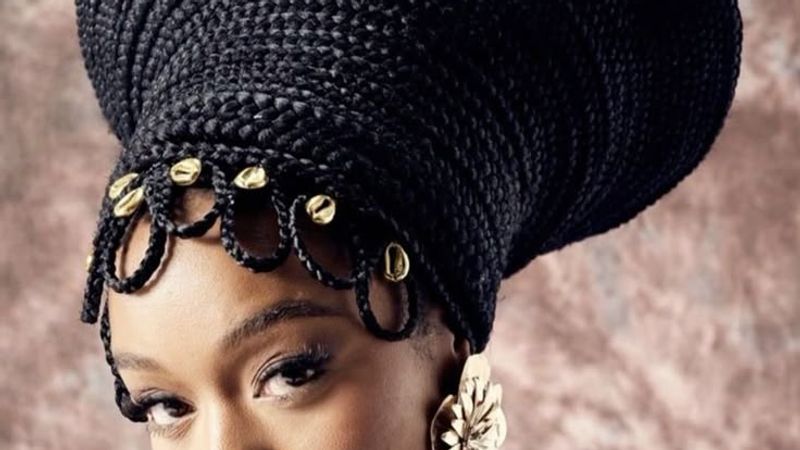
Photo Credit Andy S/Pinterest
In South Africa, Zulu hair traditions are both aesthetic and ceremonial. Men and women wear hairstyles that reflect personal milestones. For instance, single women wear loose hair adorned with beads, while married women cover their hair with a doek or sculpt it into elaborate shapes. For Zulu warriors, hairstyles once served as marks of strength and loyalty. The isicholo, a broad hat-like style originally made from a woman’s own hair, symbolised marriage and maturity. These styles remain central to Zulu pride — a powerful symbol of community identity, even as they evolve into modern hair art.
Maasai Warriors – The Power Of Red Locks
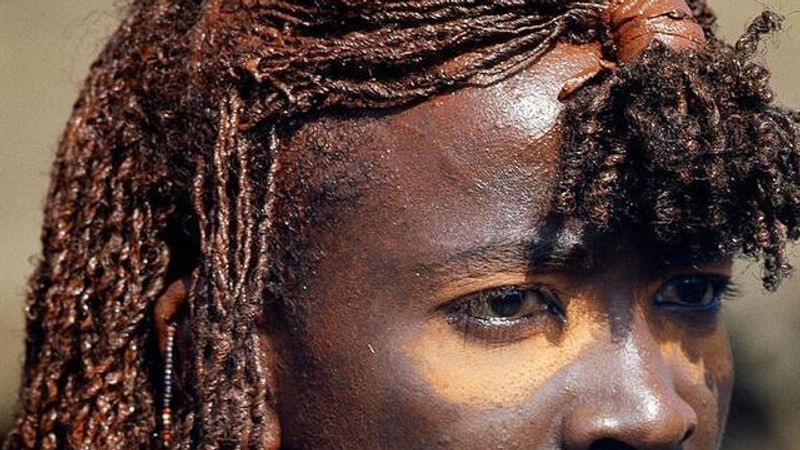
Photo Credit: Frith/Pinterest
The Maasai have distinct hair practices for different life phases. Young Maasai boys shave their heads upon reaching adulthood. This ceremony, alongside circumcision, symbolises rebirth and renewal. Warriors, however, often grow long, intricate braids. These tresses symbolise their strength and courage. Maasai braids are often dyed with red ochre and adorned with beads, this hair art signifies their identity, warrior status, and cultural pride. These hair traditions blend aesthetics, identity, and philosophy, illustrating how every strand tells a part of Africa’s broader story.
Yoruba Threadting – The Art Of Spirals And Status
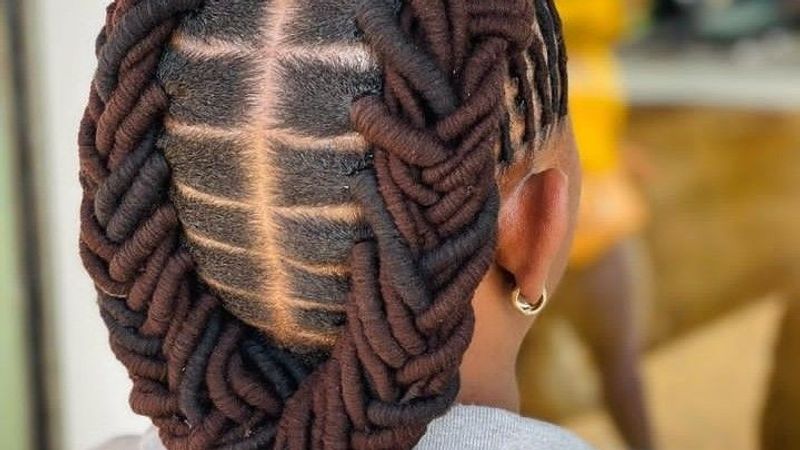
Photo Credit: Pinterest
The Yoruba people of Nigeria have long mastered hair threading, a stunning art where sections of hair are wrapped in black thread to form raised, sculptural designs. This style is symbolic of creativity and intellect. In pre-colonial times, the more intricate the pattern, the higher one’s social status or artistic skill. The threaded shapes often mimic geometric symbols or mimic local art forms.
Avant-Garde And Festival Braids
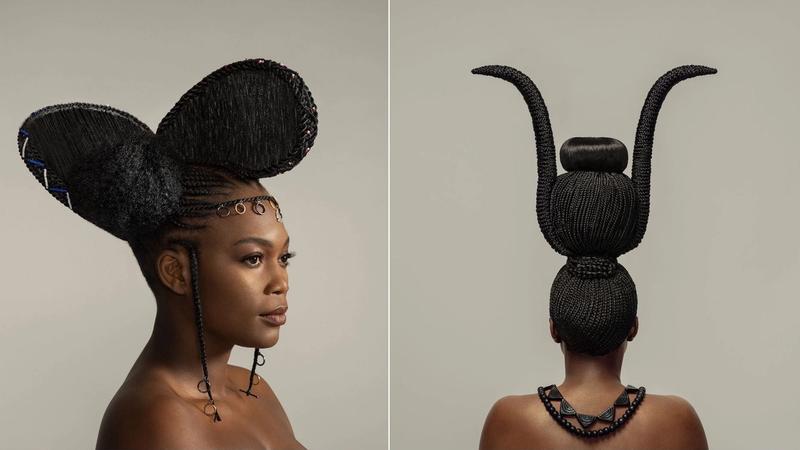
Photo Credit: Design Miami
Modern stylists treat hair like a sculptor’s medium. Avant-garde braids are huge, architectural, and dramatic. They are often seen on international fashion runways. Festival culture has also embraced African hair art. Intricate, colourful braids with jewels and thread are popular. Styles like updated Ghana braids are reinvented with modern flair. These modern styles honour traditional techniques. They also celebrate individual expression and artistic freedom.
Hair is a map of Africa’s past, present, and future. It speaks of pride, resilience, and artistry that endures across generations. By rediscovering the tribal hairstyles and meanings that shaped Africa’s identity, we embrace a deeper sense of connection to who we are. Let every twist, braid, and lock remind us of the beauty in our roots and the strength in our stories. Celebrate Africa’s untold beauty and heritage.
Visit Our website to explore more stories that redefine how we see culture, creativity, and identity.