
Import Export Business in Africa: Profitable Trade Routes and Products

Andy Akinbamini
Click to view profile
Africa’s import-export business is expanding as regional integration reduces trade barriers and improves logistics across the continent. Growing consumer demand and stronger economies are driving trade volumes upward, creating opportunities for businesses that understand which products and routes yield the highest returns. Success in this sector depends on knowledge of local regulations, infrastructure, and market needs, making preparation essential for traders.
New trade agreements, improved transportation networks, and harmonized policies are transforming Africa’s trade landscape. These changes open doors not only for intra-African commerce but also for global partnerships. Traders who adapt to these dynamics and identify promising markets stand to build resilient and profitable operations in a rapidly evolving space.
Agricultural Products Drive Regional Trade
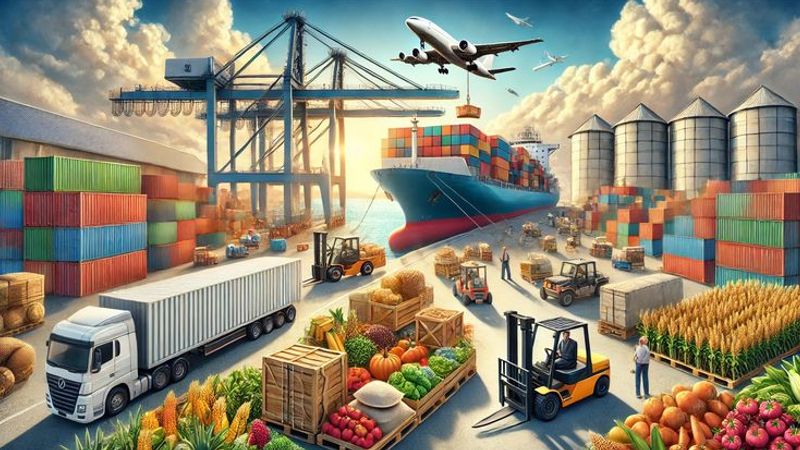
Photo credit: gerald victor/Pinterest
Agricultural commodities represent major trade opportunities across Africa, with countries exporting both raw materials and processed food products. Coffee, cocoa, tea, cashews, and various grains are traded through established routes, serving both regional and international markets. African agricultural exports offer opportunities for value-added processing, which increases profit margins while creating local employment. Regional agricultural trade helps address food security needs while providing income opportunities for millions of farmers and traders.
Minerals And Natural Resources Dominate Exports

Photo credit: Fibre2Fashion.com/Pinterest
Africa's mineral wealth creates substantial export opportunities, with minerals now accounting for 53% of all Eastern African exports according to recent trade data. Gold, diamonds, copper, cobalt, and various industrial minerals move through international trade routes to global manufacturing centers. Oil and gas exports remain crucial for many African economies, though volatility in commodity prices creates both opportunities and risks for traders. Understanding commodity market dynamics is essential for businesses involved in mineral and resource exports from African countries.
Consumer Goods Imports Serve Growing Markets

Photo credit: Clearit/Pinterest
Growing middle-class populations across Africa create strong demand for imported consumer goods, including electronics, household items, and clothing. Africa's total imports increased modestly by 2.4% in 2024, reaching a total of $719 billion, reflecting steady consumer demand across the continent. Electronics, vehicles, machinery, and manufactured goods represent significant import categories serving both consumer and business markets. Traders who understand local consumer preferences and regulatory requirements can build successful import operations serving African retail markets.
Strategic Trade Routes Connect Key Markets

Photo credit: Fibre2Fashion.com/Pinterest
Major African trade routes encompass both coastal shipping lanes and land corridors that connect landlocked countries to ports and regional markets. Africa's total trade increased by 13.9% to $1.5 trillion in 2024, with intra-African trade rising by 12.4%, driven by progress on the African Continental Free Trade Area. East African trade corridors, which link Kenya, Uganda, Rwanda, and other countries, handle significant cargo volumes, supporting regional commerce. West African coastal routes connect Nigeria, Ghana, and Senegal to international shipping networks while serving intra-regional trade flows.
Regulatory Compliance Requirements Vary By Country
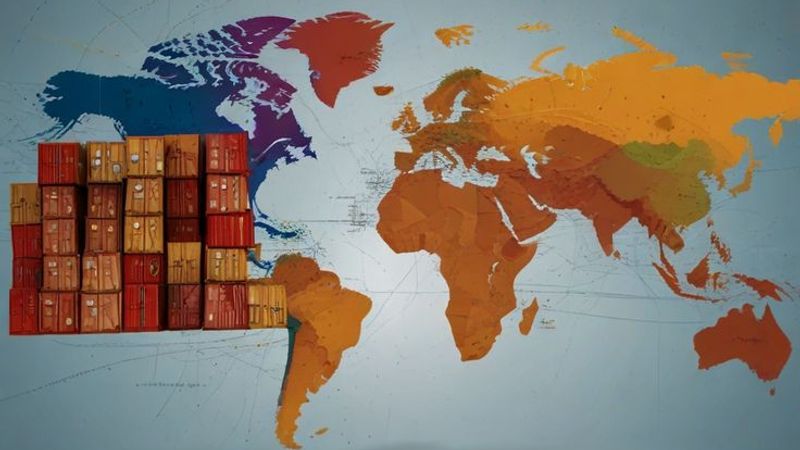
Photo credit: Pinterest
Each African country maintains its own import-export regulations, tariff structures, and documentation requirements that traders must navigate successfully to ensure seamless trade. Customs procedures, product standards, and licensing requirements differ significantly between countries, requiring careful attention to compliance details. The African Continental Free Trade Area is gradually harmonizing some regulations, but significant differences remain between national regulatory systems. Working with experienced customs brokers and logistics providers helps traders manage compliance requirements while avoiding costly delays or penalties.
Market Entry Strategies For Import Export Success
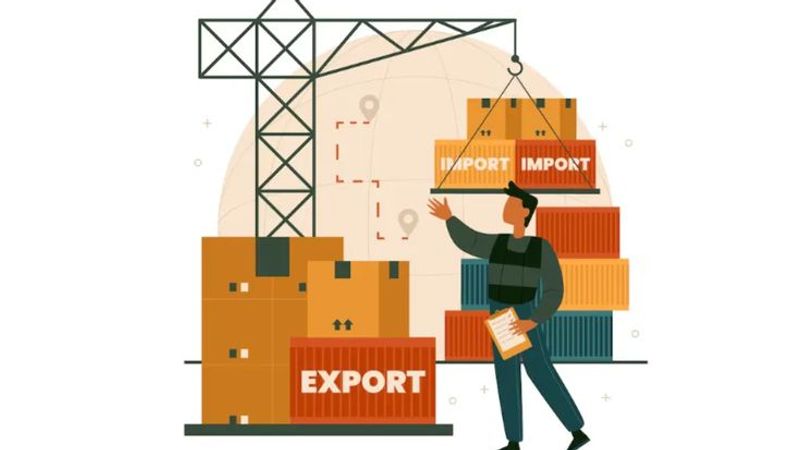
Photo credit: Trade Data Monitor/Pinterest
Successful import-export businesses in Africa typically start with thorough market research to identify profitable product opportunities and reliable trade partners. Building relationships with local distributors, suppliers, and logistics providers helps traders navigate unfamiliar markets while managing operational risks. Starting with smaller shipments allows businesses to test markets and refine operations before scaling up to larger trade volumes.
Visit Our Website to learn and explore more insights into African entertainment.