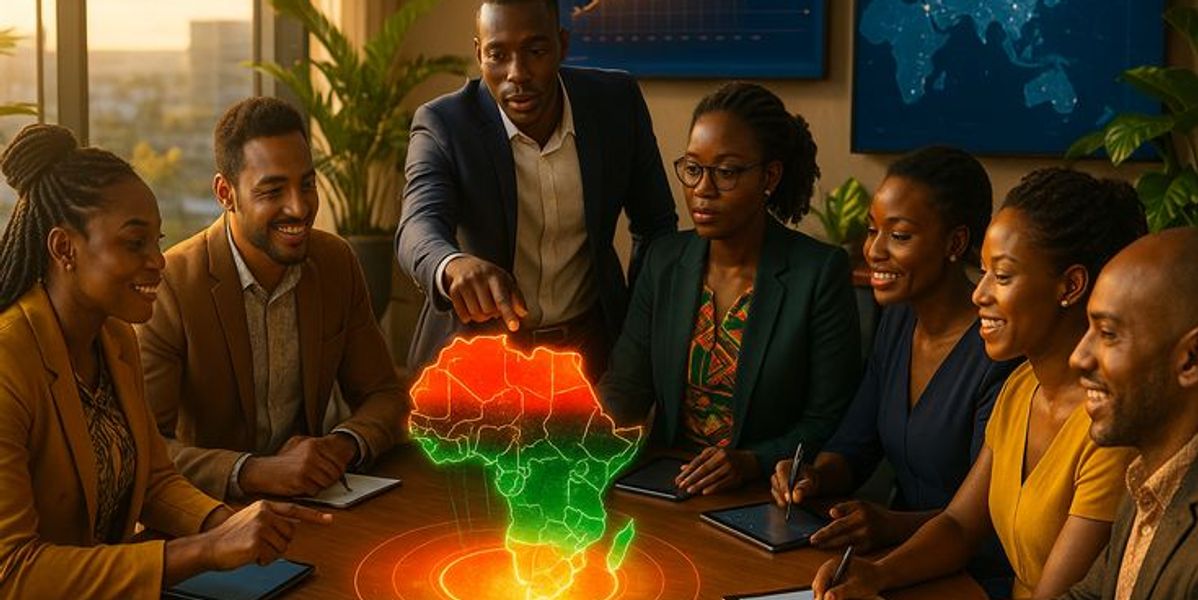
How Modern Technology Is Preserving African Culture

Titilayo Ifeoluwa
Click to view profile
In today’s dynamic era, the intersection of technology and tradition reveals a powerful opportunity. As digital tools evolve, they bring fresh hope for preserving the richness of Africa's heritage. Recognizing the urgent need, communities are embracing tech-driven methods to safeguard stories, languages, and artifacts that define us.
The phrase digital heritage Africa captures more than a trend; it represents a movement. Through this blog post, we shed light on how modern technology is reshaping culture in Africa, ensuring that our narratives are preserved, amplified, and celebrated globally.
Digitizing Oral Histories and Languages
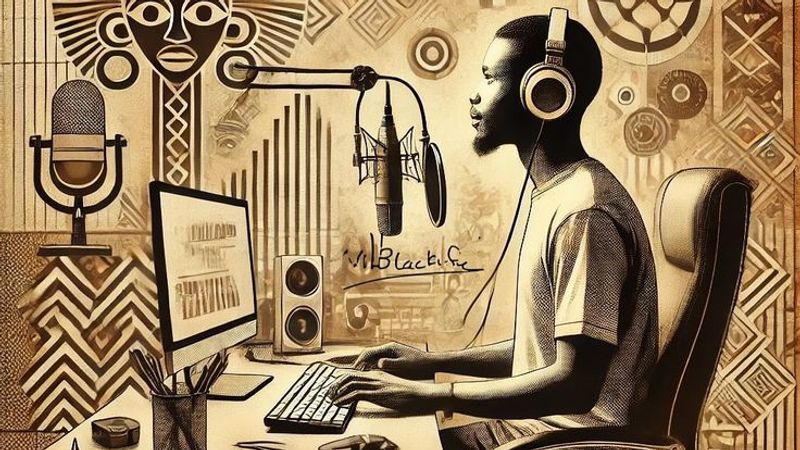
Photo Credit: WillBlakify
Millions of Africans speak indigenous languages and share stories that have been passed down through generations. Technology now allows these voices to be recorded, cataloged, and made accessible. Initiatives such as UNESCO’s Digital Innovation for Heritage Protection in Africa support the digitization of oral traditions to prevent the extinction of languages. By utilizing mobile audio platforms, cloud storage systems, and accessible apps, digital heritage in Africa becomes a lived practice rather than a theoretical idea.
3D Scanning and Virtual Preservation of Artifacts

Photo Credit: curious Neo & Friends !
Thanks to innovations in 3D scanning and modeling, physical cultural treasures can now be captured in digital form. The Zamani Project has been instrumental in documenting over 200 monuments across African countries using laser scanning and photogrammetry. These digital twins allow communities and global audiences to explore and appreciate heritage that may be fragile or remote. This development demonstrates how technology in culture lends permanence to Africa’s tangible history.
Virtual Museums and Accessible Cultural Spaces
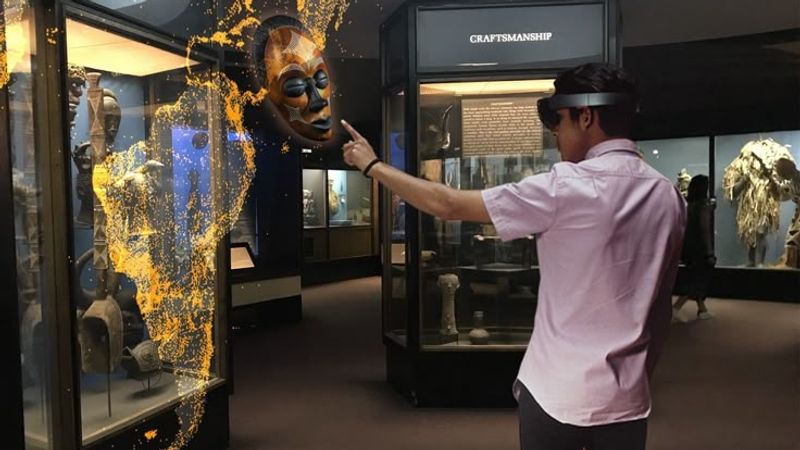
Photo Credit: Pinterest
Increasingly, our cultural institutions are moving online. Virtual museums and digital archives ensure that artifacts, art, and knowledge can be accessed beyond physical walls. For example, platforms emphasize turning heritage into interactive, meaningful experiences rather than static displays. One resource notes that Africa, despite being home to 17% of the world’s population, accounts for only around 4% of the world’s digital knowledge. This gap signals both challenge and opportunity for digital heritage in Africa.
Community-Led Platforms and Indigenous Control
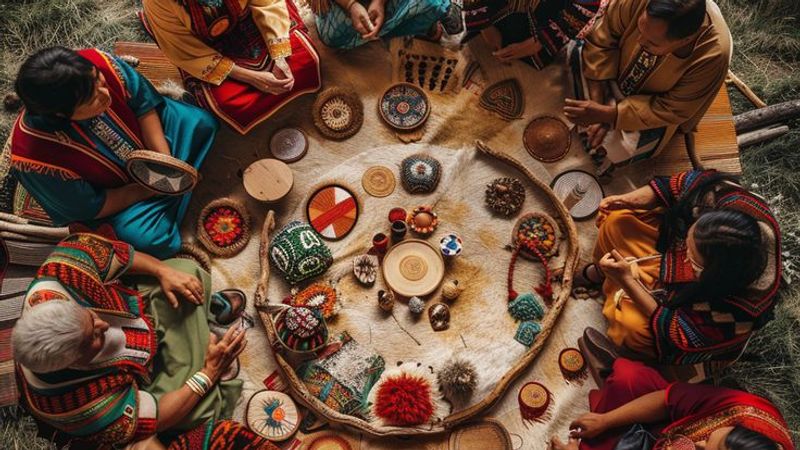
Photo Credit: Public Trust Solution
Preservation is most powerful when those who own the culture lead the work. Organizations like African Digital Heritage advocate community-driven digital projects that respect ownership, access, and representation. This approach helps ensure that Digital Heritage Africa is not merely archival, but also empowering. It empowers African custodians of culture, rather than making them passive subjects.
Augmented Reality and Immersive Storytelling
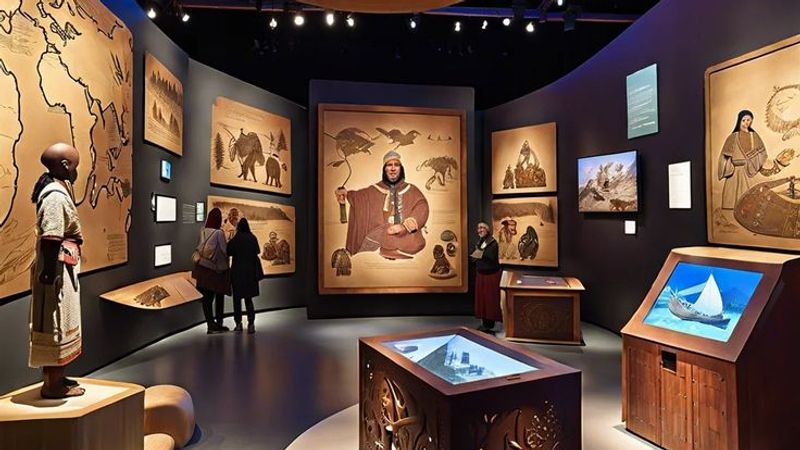
Photo Credit: Andy Fidel
Emerging technologies, such as augmented reality (AR) and virtual reality (VR), are opening up new ways to experience culture. Experienced researchers report that over 300,000 images from more than 7,000 rock art sites have been digitized as part of a South African archiving initiative. These immersive formats help younger generations connect with their roots through engaging formats. This illustrates how tech in culture is both futuristic and rooted in the past.
Ethical Practices and Representation in Digitization

Photo Credit: Pinterest
Preservation is not just about capturing data, but about doing so ethically and with dignity. Some digitization projects face challenges around ownership, representation, and equitable access. A recent study highlights contested ownership and misrepresentation of African cultural assets in global digital platforms. Ensuring that countries and communities set the terms of how their heritage is digitized is vital.
Education, Schools, and Local Engagement
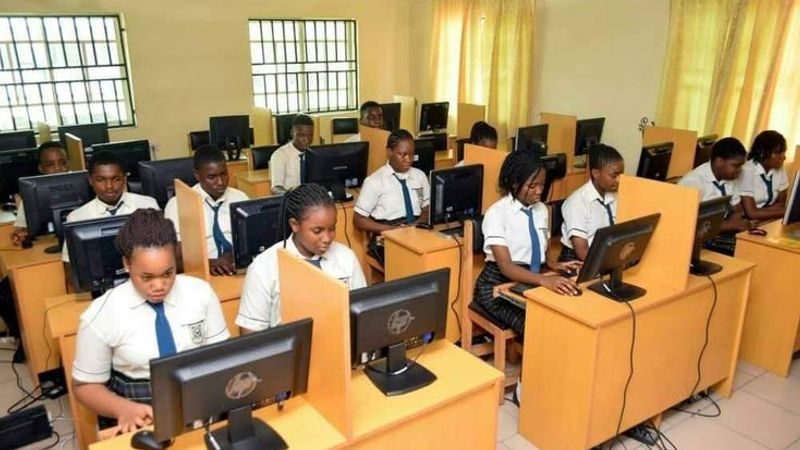
Photo Credit: Cyril
Technology enables cultural education to expand beyond traditional classroom settings. Digital heritage Africa tools are now used in schools, community centers, and local workshops. Teachers can access recordings of traditional songs, virtual tours of cultural sites, and digitized manuscripts. This brings the continent’s history to life in accessible ways, fostering pride and awareness among young Africans.
Business, Tourism and Cultural Economies

Photo Credit: Ricky
Preservation efforts can also translate into economic opportunities. By making cultural assets digitally accessible, tourism, crafts, and creative industries can be revitalized. Tech in culture enables cultural economies where local artisans and storytellers can reach wider markets. This means preservation is not just about history, but about sustainable futures.
Tips for Individuals and Organizations to Join the Movement
- Start small: record oral histories in your family, digitize photographs, and traditional music.
- Collaborate with tech experts: partner with local universities or NGOs to build platforms or apps.
- Share responsibly: ensure permissions and ethical use when uploading or sharing cultural material.
- Engage youth: use VR, AR, or mobile apps to make culture interactive for younger generations.
- Advocate for infrastructure: in your community, support improved connectivity, power supply, and digital access.
By following these steps, you help bring digital heritage Africa into everyday life and strengthen the voice of cultural custodians.
Showcase Africa’s Stories to the World
Through technology, we can make local stories global without losing authenticity. The idea of Showcase Africa is to present African voices by Africans, for the world. When we take ownership of our narrative, we invite people beyond our borders to listen, learn, and respect. Let’s embrace innovation, preserve what matters, and celebrate our heritage together.
To discover how digital heritage Africa and tech in culture are preserving traditions, languages, and artifacts. Showcase Africa’s innovation merging with tradition.
Visit our Website at www.showcaseafricaonline.com. There, you can learn more about Africa’s creative legacy and get new updates.