How Cultural Tourism Boosts Local Economies

Titilayo Ifeoluwa
Click to view profile
In the heart of Africa’s vibrant landscapes and rich traditions lies a powerful story of transformation. Cultural tourism Africa offers far more than scenic vistas and ancient relics; it threads the legacy of communities into the fabric of modern economic growth. When traveler arrive and engage with local customs, arts and heritage, they become part of a living narrative that sparks Link culture to economic empowerment and deepens our collective understanding of this continent’s value.
This article explores how heritage travel Africa acts as a bridge between past and future, enabling local people to shape their own destinies. It celebrates the belief that Africa’s voices deserve to be heard by Africans, for the world to understand and appreciate. Through awareness, updates and trends in the industry, we highlight practical steps to make cultural tourism work for local economies and communities.
Preserving Heritage While Generating Income
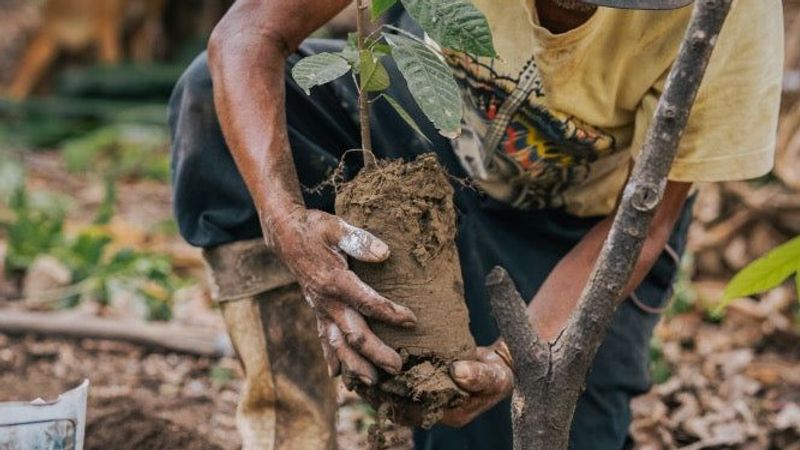
Photo Credit: Pinterest
Cultural tourism Africa allows communities to showcase their traditions, crafts and rituals in a way that honours the past and benefits the present. Visitors drawn by authentic experiences be it dances, festivals or artisan workshops inject revenue into local businesses. Research shows that cultural tourism supports job creation in accommodation, guiding services and crafts production.
Creating Jobs and Fostering Local Entrepreneurship

Photo Credit: Public Trust Solutions
Local residents become guide-hosts, craft curators and storytellers when heritage travel Africa thrives in their region. According to the World Travel & Tourism Council, travel and tourism in Africa could add US$168 billion and create over 18 million new jobs in the next decade. These figures underscore how linking culture to economic empowerment can reduce unemployment and uplift whole communities.
Improving Infrastructure and Supporting SMEs
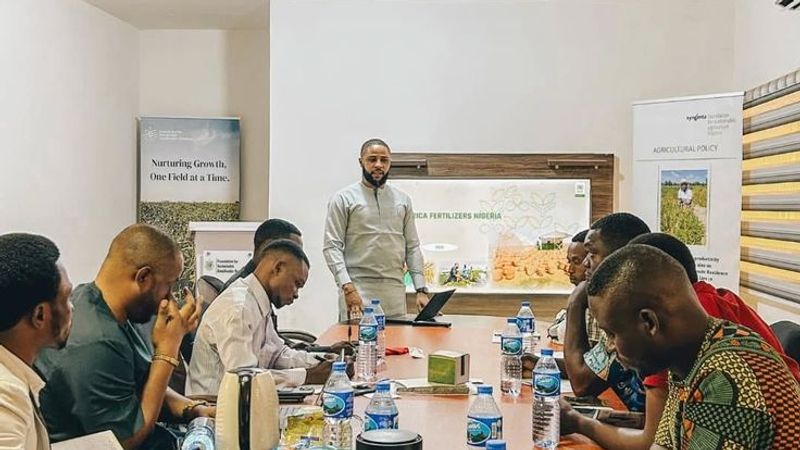
Photo Credit: Fsss
When cultural tourism picks up, there is often investment in infrastructure such as roads, visitor centres and craft markets. Such improvements boost the experience for visitors and open opportunities for small and medium enterprises (SMEs). Studies show tourism’s infrastructure ripple effect in Africa supports broader economic development.
Empowering Traditional Artisans and Heritage Worker

Photo Credit: Pinterest
Artisans, heritage custodians, and local cultural workers often possess deep knowledge of traditions, folklore, and skills that have been passed down through generations. Heritage Travel Africa provides them with a platform and economic incentive to continue their work. For instance, a Ghanaian study found that festivals boosted community livelihoods in the Bono Takyiman Municipality via cultural tourism.
Promoting Sustainable Development and Community

Photo Credit: Modern Art Aesthetic
When local communities own and manage cultural tourism initiatives, benefits remain within the region rather than flowing abroad. Research shows that community-based cultural tourism can reduce regional disparities and promote equitable development. The key is to build ownership, not dependency, linking culture to economic empowerment from the ground up.
Marketing African Culture to Global Visitors

Photo Credit: Pinterest
Showcasing Africa’s rich heritage in an appealing and honest way is vital for heritage travel in Africa. Professional marketing, storytelling, and authentic visitor experiences convert interest into action. Efforts to brand destinations and festivals help elevate visibility and attract culturally curious travelers who respect local traditions.
Overcoming Challenges and Building Resilience

Photo Credit: Smilevida
Despite great promise, cultural tourism in Africa faces hurdles: weak infrastructure, limited skilled labour, political instability, and a lack of investment. One study shows that tourism’s positive impact requires supportive policies, human capital investment, and infrastructure. To truly link culture to economic empowerment, stakeholders must plan for resilience and inclusion.
Practical Tips for Communities and Stakeholders

Photo Credit: Sultan
• Engage local leaders, artisans, and youth in planning cultural tourism initiatives so that profits and control remain with the community.
• Invest in training programmes for guiding, hospitalit,y and craft design to raise standards and diversify offerings.
• Build partnerships with responsible tour operators who value authentic experiences and equitable benefit-sharing.
• Emphasise storytelling and cultural authenticity rather than replicating cookie-cutter tourism models that extract value without local gain.
• Use digital platforms and social media to share updates and trends in heritage travel in Africa, raising the profile of lesser-known destinations.
• Monitor and evaluate impacts: collect data on visitor spending, jobs created, and artisan incomes to ensure the sector remains inclusive and sustainable.
Visiting and Supporting Local Heritage Economies

Photo Credit: Cuevas
For travellers and tourists, making conscious choices can amplify local impact. Choose tours led by community members, buy crafts made in the region, respect cultural norms, and share your experiences with your network. When you engage with heritage travel in Africa thoughtfully, you contribute to a cycle of empowerment and growth.
If you are passionate about making travel count and celebrating Africa’s voices, visit Our Website and explore how you can support cultural
tourism initiatives.