How African Youth Are Preserving Traditional Arts

Vera Ifechukwu
Click to view profile
Africa’s younger generation is rising to the challenge of keeping ancestral creativity alive. In 2025, many youths across the continent are embracing their heritage through music, craft, performance, and digital art, helping to forge a future where tradition and innovation walk hand in hand. This movement shines a spotlight on youth preserving culture in Africa in a significant way.
As urbanisation and global influences accelerate, it is inspiring to see young people reclaiming traditional arts and heritage. Through experiments in fusion, reinterpretation, and community engagement, they demonstrate that African conventional arts revival can thrive and that culture remains a living, evolving force.
Reviving Craft Traditions Through Contemporary Art
Young African artisans are breathing new life into age-old crafts such as wood carving, weaving, pottery, beadwork, textiles, and sculpture, often combining traditional techniques with modern design sensibilities. These crafts offer not just aesthetic value but livelihoods, especially as demand grows through culture tourism and online markets. This trend shows that traditional skills can adapt and remain relevant in a changing world.
Youth-Driven Cultural Festivals And Community Events
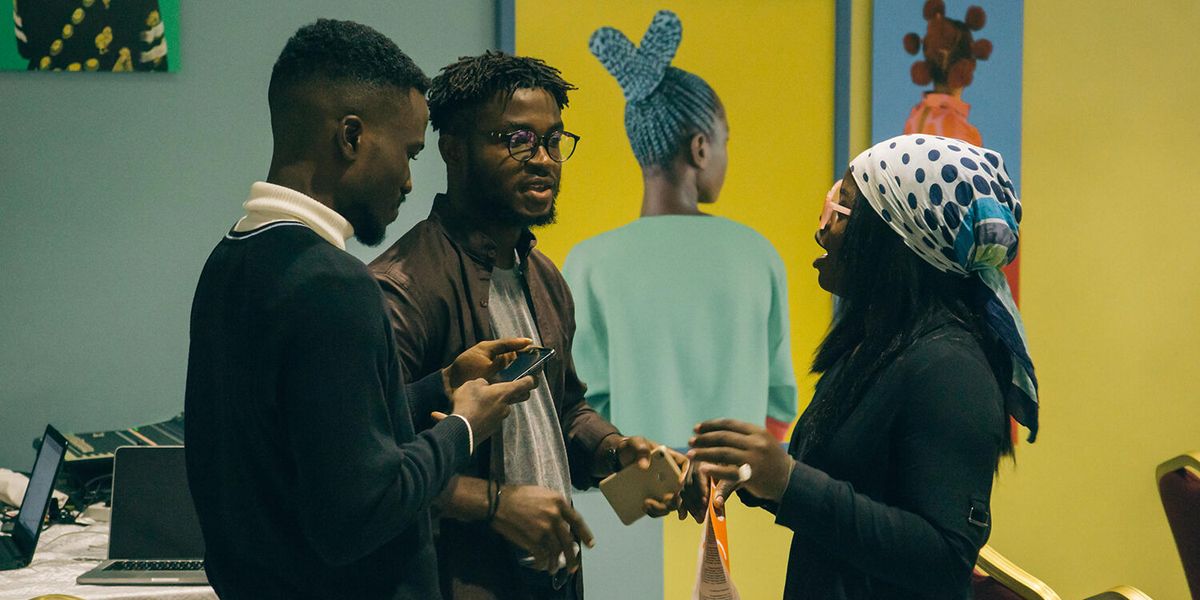
Events organised or driven by youth are becoming vibrant platforms for cultural expression and heritage sharing. In Kenya, a young generation has reimagined folk traditions at contemporary festivals, blending storytelling, music, dance, and modern art to make ancestral heritage resonate with today’s audiences. This represents a powerful example of youth preserving culture in Africa with creativity, energy, and respect for roots.
Blending Tradition With Digital And Global Outreach
Young African creatives are using digital media, fashion, and technology to reinterpret and share traditional motifs and art. Traditional textiles, age-old pottery techniques, and local sculpture are being reworked into fashion, home décor, or contemporary art. This fusion offers fresh relevance while presenting the revival of African traditional arts to a global audience.
Using Arts Education And Youth Centred Spaces To Rekindle Identity
Across the continent, there is growing recognition of the importance of cultural education. Community leaders and educators urge the inclusion of traditional arts and heritage teaching in schools and youth programmes. This ensures that younger generations see value in their roots and grow up as ambassadors of their culture.
Promoting Cultural Dialogue And Social Cohesion Through Music And Performance
In regions affected by social and economic challenges, young artists are using music, dance, and performance to reconnect communities with heritage and promote unity. Through rhythm, stories, and art, they foster social cohesion and offer alternative narratives to conflict or social disconnection. This demonstrates that preserving traditional arts is not only cultural but also a tool for healing and community building.
Practical Steps To Support Youth-Led Heritage Revival
•Encourage local support by attending community art shows, buying handcrafted pieces, or sharing them on social media.
•Support cultural education by encouraging schools to include traditional arts, crafts, and storytelling in curricula.
•If you are an artist or creative, experiment with blending tradition and innovation, for example, reimagining textiles, pottery, or carvings with contemporary styles.
•Promote youth-led events and exchanges that give young people space to share heritage, collaborate, and build new audiences.
Discover how African youth are reviving traditional arts through creativity, digital tools, festivals, and education, driving a powerful cultural revival across the continent.
Visit our website for more cultural traditions and insights.