How African Media Platforms Empower Local Voices

Andy Akinbamini
Click to view profile
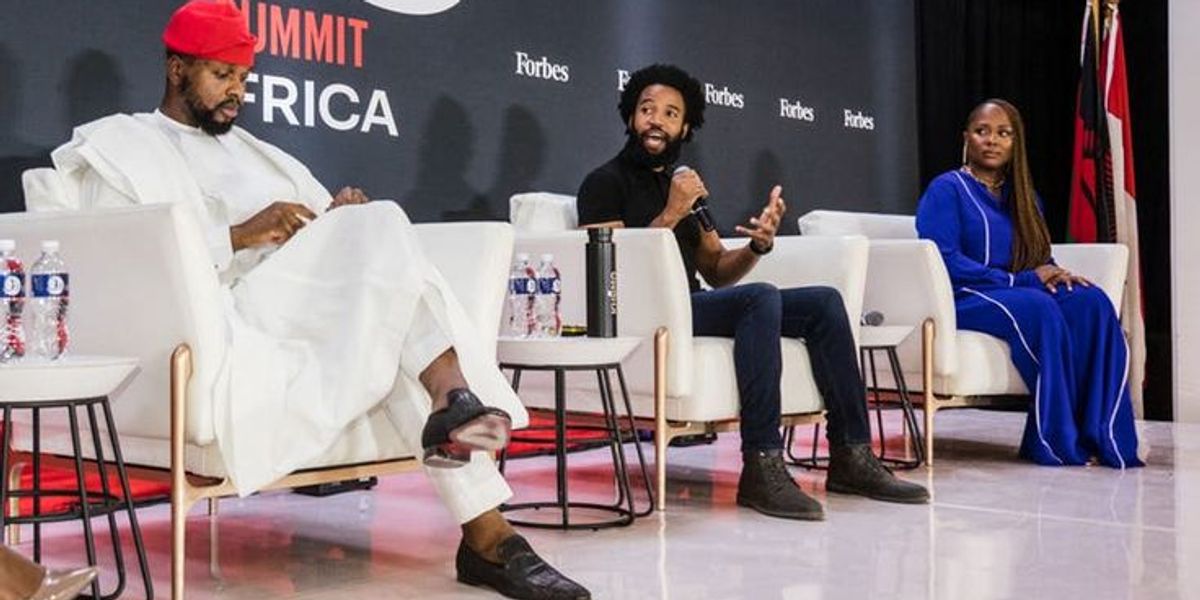
African digital media is experiencing a transformative revolution that is reshaping how the continent tells its own stories. For decades, African narratives have been filtered through external perspectives, often distorting the continent's diversity into limiting stereotypes. This external control of African stories has created a significant gap between how Africa sees itself and how the world perceives it. The shift towards locally owned and operated platforms marks a crucial turning point in media representation and cultural autonomy.
The rise of African digital media platforms represents a fundamental shift in narrative control and content creation. These platforms enable Africans to create, distribute, and consume content tailored to their unique contexts and cultural needs. Local storytelling is moving from the margins to mainstream visibility, enabling previously marginalized voices to reach millions of people.
The Digital Revolution Transforming African Voices
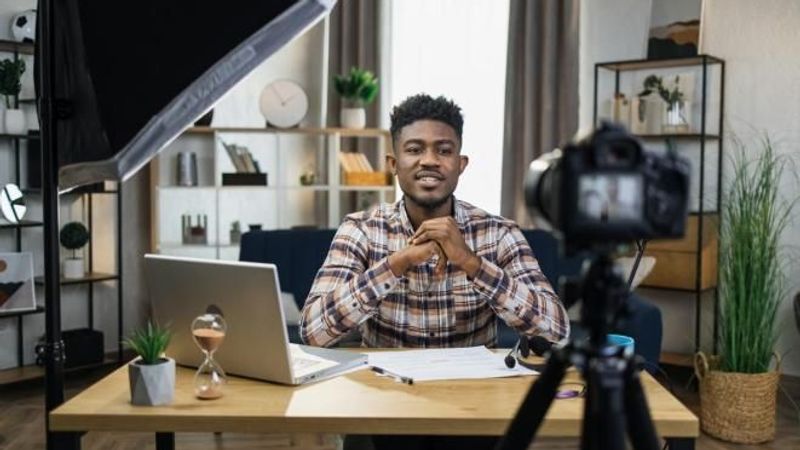
Photo credit: Amy Carroll/Pinterest
African digital media has experienced explosive growth, fundamentally altering the continent's communication landscape. Nigeria's entertainment and media sector achieved a remarkable 11.2% growth rate in 2024, followed by Kenya at 7.1% and South Africa at 6.2%. South Africa alone saw 26.7 million social media users in early 2025, with users spending an average of 3 hours and 36 minutes daily on these platforms. The democratization of content creation means anyone with internet access can now become a broadcaster or publisher. Young Africans are leveraging TikTok, Instagram, and YouTube to share perspectives that reflect their lived realities rather than outsiders' assumptions.
Reclaiming Narratives Through Authentic Storytelling
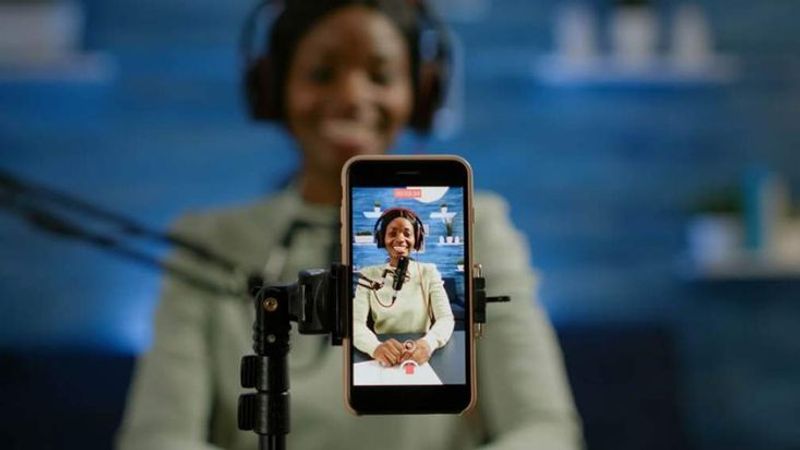
Photo credit: Tegami/Pinterest
For decades, global media have portrayed Africa through limiting narratives. Research by Africa No Filter reveals that international coverage consistently frames the continent through five key themes: disease, poverty, conflict, corruption, and ineffective leadership. African digital media platforms are actively working to dismantle these stereotypes. Netflix has invested over $175 million in African productions since 2016, while Nollywood generates an estimated $1.2 billion in annual revenue. These platforms enable local storytelling that honours tradition whilst embracing innovation, ensuring that Africa's linguistic and cultural diversity flourishes rather than fades.
Building Infrastructure for Media Independence
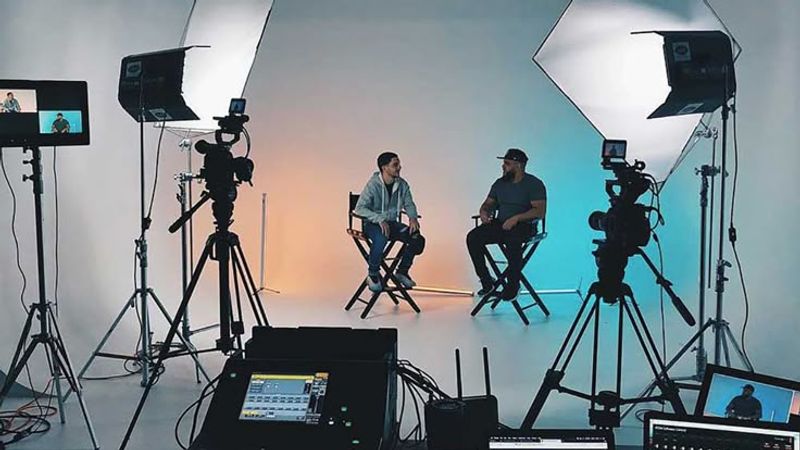
Photo credit: Maven Media Group/Pinterest
The Africa Media Convention, established in 2022, exemplifies institutional efforts to strengthen media independence across the continent. At the 2024 convention in Accra, Leslie Richer from the African Union emphasized that "African solutions to African problems lie in the unique understanding and contextual insight that local communities possess." The African Women in Media conference in Dakar brought together 204 participants from 23 countries to explore media sustainability through business models and emerging technologies. These institutional frameworks provide crucial support for African digital media platforms, ensuring they have the resources, training, and protection needed to tell authentic stories.
Practical Solutions for Amplifying Your Voice
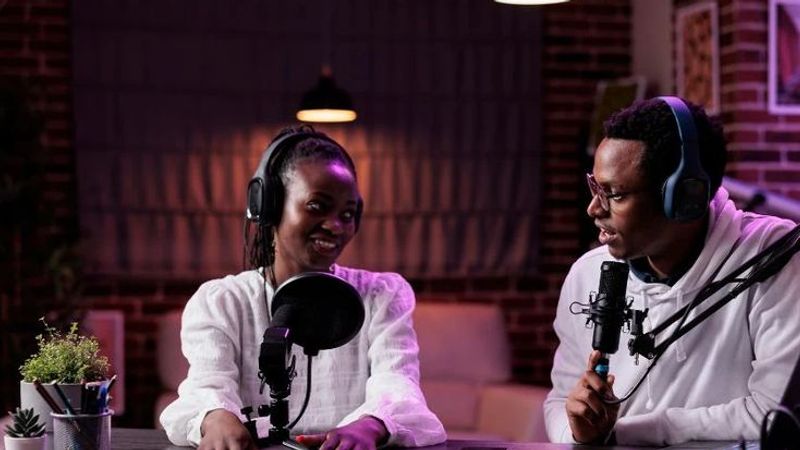
Photo credit: UrbanGeekz/Pinterest
Start by identifying platforms that align with your storytelling goals. For visual narratives, consider Instagram and TikTok. For in-depth discussions, try podcasting platforms like Afripods. Prioritise authenticity in your local storytelling by drawing from your lived experiences and cultural context. Collaborate with other creators to expand your reach and audience. For organisations, consider partnering with platforms like Showcase Africa that centre African narratives and provide infrastructure for content distribution. Focus on consistency over perfection. Engage with your audience authentically and create content that meets your community's needs through education, entertainment, or advocacy.
Why This Matters for Africa's Future
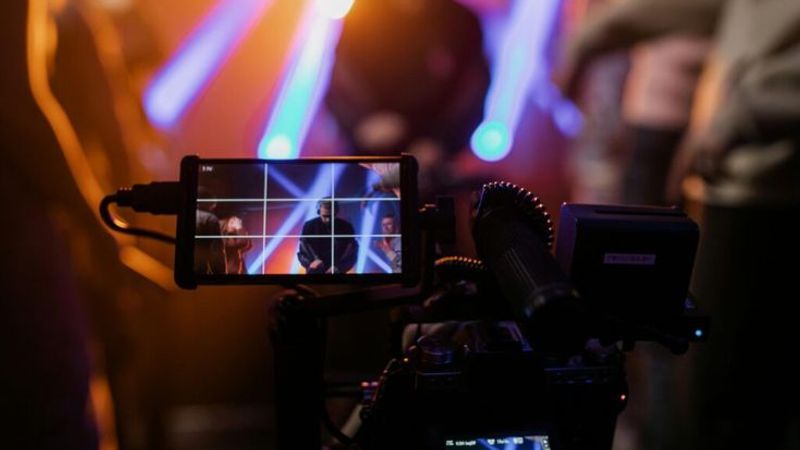
Photo credit: Promoly/Pinterest
When Africans control their narratives through African digital media platforms, they reclaim agency over their identities and challenge harmful stereotypes. The continent's creative industries generated over $1 billion in 2024 from live music, gaming, and streaming. These sectors employ numerous producers, sound engineers, and content creators, offering young Africans viable career opportunities in the creative arts. Independent platforms enable citizens to access diverse information and participate in democratic processes. The movement towards media self-determination recognises that Africa's voices deserve to be heard first by Africans. When these stories reach global audiences, the world gains a richer understanding of the continent's diversity and potential.
Taking Action Today
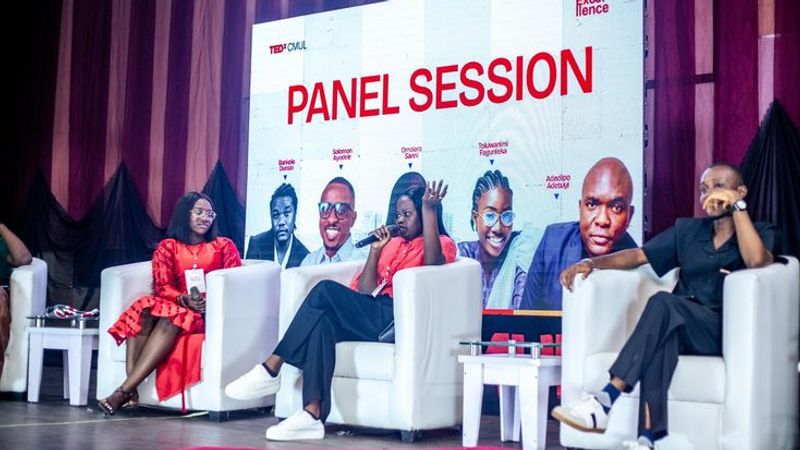
Photo credit: Pinterest
Governments must invest in digital infrastructure to ensure reliable internet access across both urban and rural areas. Institutions should fund media literacy programs and establish platforms that amplify diverse voices, thereby promoting a more inclusive and diverse media landscape. Individuals have enormous power in this movement. Consume content from African digital media platforms and support creators through subscriptions and engagement. Create your own content, no matter how modest your starting point may be. Showcase Africa and similar platforms embody this vision, demonstrating what becomes possible when Africans control their narratives. They prove that local storytelling can achieve global reach whilst maintaining cultural authenticity. The future of media is being written now, and it is about believing that Africa's voices deserve to be heard by Africans, so that the world can understand and appreciate them.
Discover how African digital media platforms are empowering local storytelling and transforming narratives. Discover practical ways to amplify African voices and contribute to the media revolution.
Visit Our Website to learn more about and explore insights into Africa.