How African Fashion Represents Culture, Identity & Pride

Vera Ifechukwu
Click to view profile
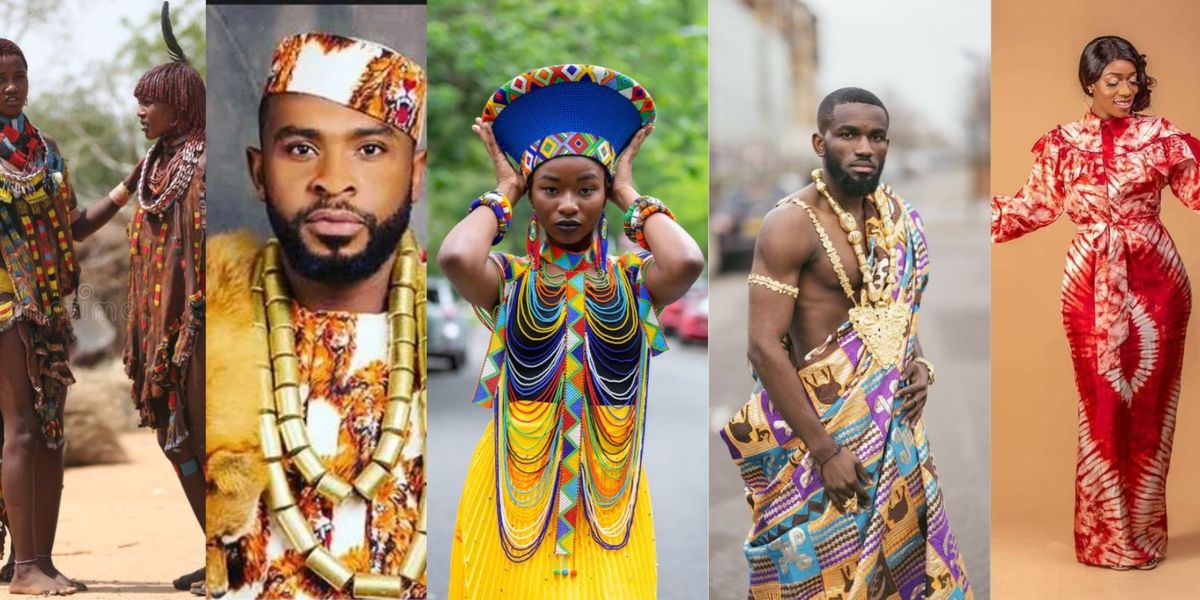
African fashion culture is more than clothing. It is a vibrant expression of history, community, creativity, and identity that carries meaning far beyond the textile itself. From colorful prints to intricate designs, African fashion tells stories of heritage and belonging. These styles reflect diverse cultures, connecting tradition with contemporary self-expression.
As fashion evolves across the continent and beyond, it becomes a tool for pride, recognition, and cultural dialogue. Africans and visitors alike discover identity through fabric, pattern, and silhouette. This highlights fashion identity in Africa as a dynamic force that attracts tourists, creatives, and curious minds from around the world.
Fashion as Cultural Narrative and Storytelling
African designers often embed deep cultural references in their work, drawing on indigenous techniques, meaningful symbols, and ancestral stories. For example, Nigerian label Maki Oh uses Yoruba motifs and adire textiles to communicate identity, memory, and diaspora narratives through garments. This approach turns fashion into a living cultural expression.
Economic Growth and Global Recognition
African fashion is becoming an economic powerhouse, valued at an estimated $31 billion as demand grows locally and internationally. This growth reflects not only commercial success but also global respect for cultural authenticity and creative ingenuity. Digital platforms and social media amplify trends and provide updates on emerging African fashion culture, influencing global audiences.
Celebrating Identity Through Textiles and Heritage
Traditional textiles such as Ankara, kente, and Shweshwe carry stories of community, history, and ritual. Designers like Thebe Magugu and Laduma Ngxokolo transform these materials into high fashion, sharing African heritage on runways around the world. Their work reinforces how textiles serve as visual symbols of cultural roots and identity on the global stage.
Community, Tourism and Cultural Exchange
African fashion has become a draw for travellers interested in culture, design, and tourism. Fashion weeks in Lagos, Dakar, and Cape Town showcase local talent and invite visitors to engage with regional styles, craftsmanship, and creativity. These events encourage cultural pride, cross-cultural dialogue, and appreciation of Africa’s artistic diversity.
Sustainability and Cultural Respect in Design
Many African designers emphasise sustainability, ethical production, and respect for cultural heritage. By working with artisans, using local materials, and preserving ancestral techniques, they promote a fashion that honours people and the planet. This approach strengthens local economies while preserving traditional crafts for future generations.
Practical Tips for Embracing African Fashion
Explore local markets and attend fashion events to learn about regional textiles and makers. Support independent designers by purchasing handcrafted pieces that reflect cultural meaning. Engage with fashion through respectful curiosity, asking about the stories behind prints and techniques. For brands and creatives, collaborate with artisans to blend heritage with innovation.
Explore how African fashion reflects culture, identity, and pride. Discover how designers blend heritage and modern style, elevating African fashion culture and identity on global runways.
Visit our website for inspiring stories, designer features, and insights into African fashion culture that fuel identity, pride, and creativity.