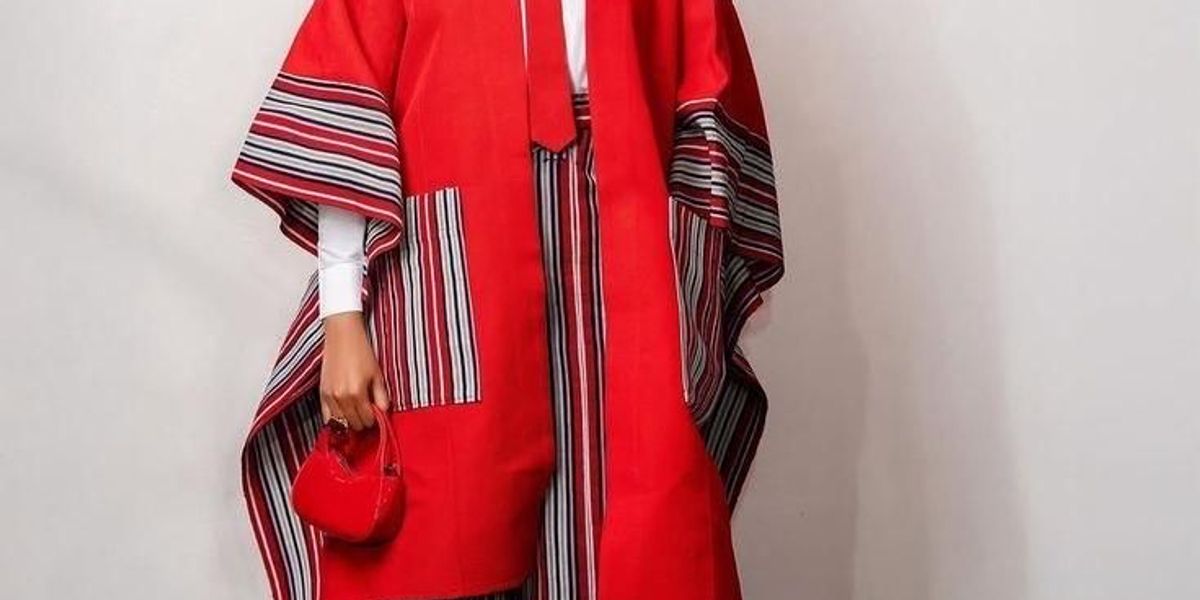
How Africa Can Infuse Its Identity Into Modern Day Fashion

Vera Ifechukwu
Click to view profile
African fashion is no longer hidden behind boutique doors or small community markets. It is walking global runways, appearing in glossy magazines, and shaping worldwide style. Yet, one issue remains: appropriation. African textiles, beadwork, and patterns are copied by global brands, often without credit or financial benefit to Africans.
This article explores how Africa can infuse its identity into modern day fashion, creating a movement where traditional meets modern fashion with pride. It highlights designers, textiles, and cultural updates that show the world Africa is not a trend, but a timeless influence. Showcase Africa continues to spotlight these movements, ensuring the narrative remains authentic and empowering.
Traditional Meets Modern Fashion: A Global Movement
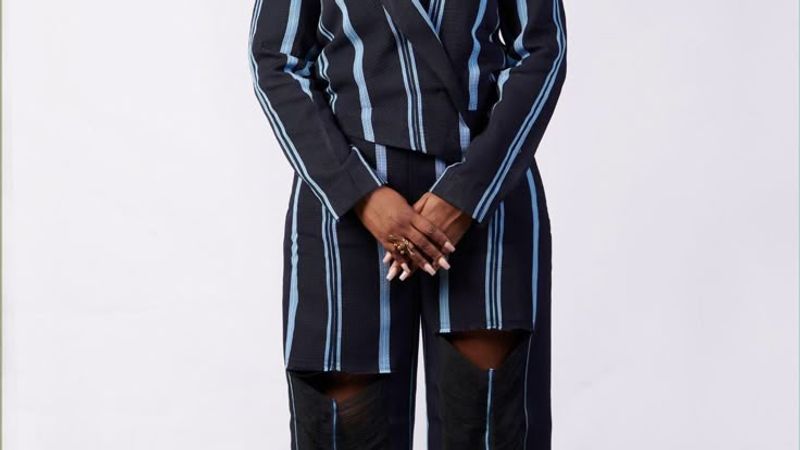
Photo Credit: Kathleen/Pinterest
When traditional meets modern fashion, the result is often striking. African prints are paired with minimalist cuts, or beadwork transforms a contemporary silhouette into cultural poetry. This balance respects heritage while engaging global audiences.
Designers like Rich Mnisi and Thebe Magugu prove that blending heritage with modernity does not dilute identity. Instead, it elevates it. Both have achieved international recognition while maintaining strong African narratives in their collections.
Rich Mnisi: Telling African Stories With Boldness
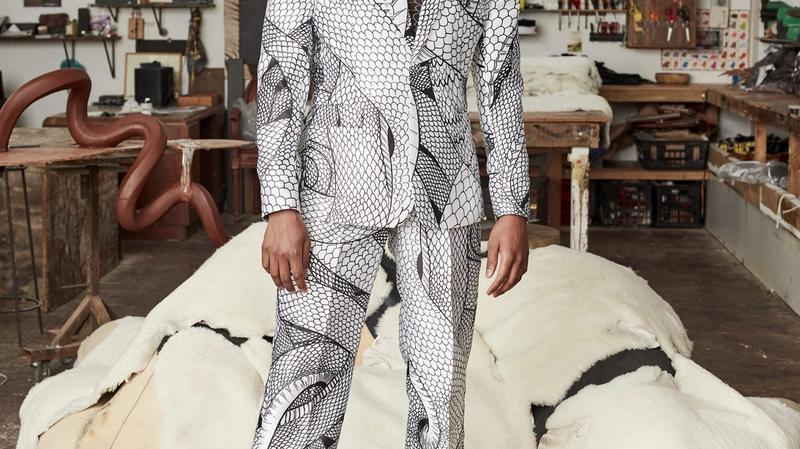
Photo Credit: Bubblegum Club
Rich Mnisi, a South African designer, is known for bold prints and storytelling. His collections often reference African mythology, family narratives, and cultural symbolism. In one collection, Mnisi reinterpreted traditional blankets into structured coats and modern dresses.
His designs show that African traditions are not relics of the past. They are inspirations for the future. His work challenges the global fashion industry to recognise Africa as a leader in design innovation, not just a source of inspiration.
Lisa Folawiyo: Handcrafted Luxury With Nigerian Roots
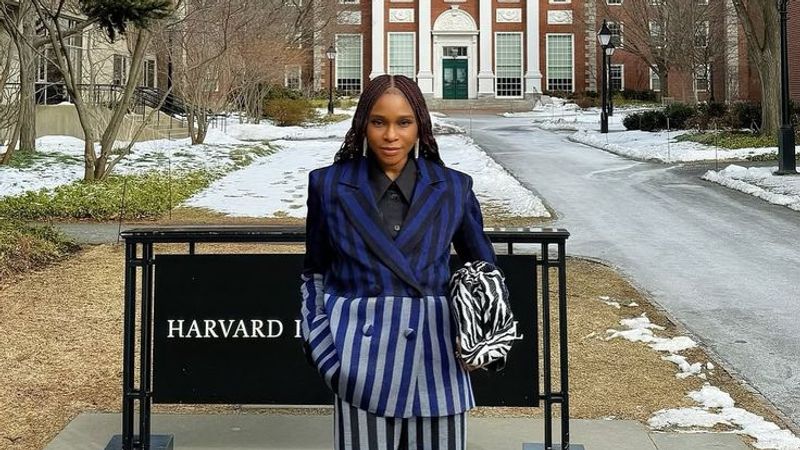
Photo Credit: Afrique Noire Magazine/Pinterest
Lisa Folawiyo is a Nigerian designer who revolutionised Ankara prints. She elevated the fabric by combining it with embellishments like sequins and beads. Her brand demonstrates how traditional fabrics can meet modern luxury. Each piece carries the spirit of Nigerian artistry, but the execution speaks the language of global couture.
Folawiyo’s designs remind the fashion world that innovation thrives when heritage is celebrated, not ignored.
Laduma Ngxokolo: Xhosa Patterns On The Global Stage
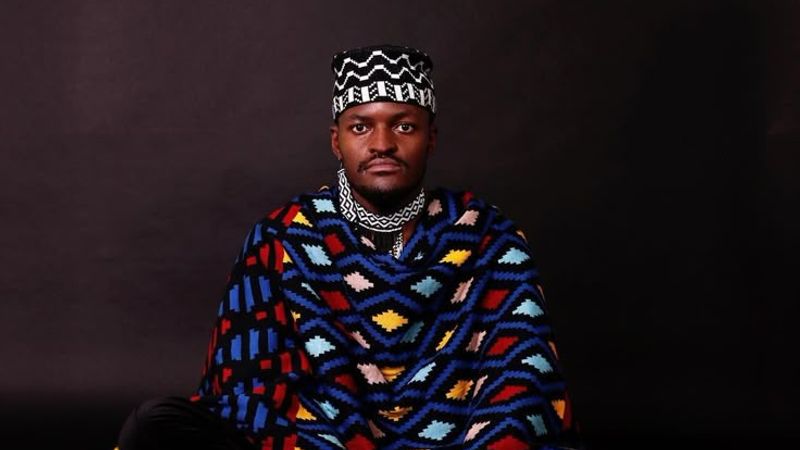
Photo Credit: tereza nabuco/Pinterest
South African designer Laduma Ngxokolo founded MaXhosa Africa to celebrate Xhosa beadwork and knitwear traditions. His pieces are vibrant, geometric, and deeply cultural. Ngxokolo transformed traditional Xhosa-inspired designs into luxury knitwear, worn proudly by international celebrities.
His work proves that fashion rooted in heritage can resonate globally while uplifting African identity. By keeping production in Africa, he also contributes to local economies, ensuring cultural influence benefits communities directly.
Thebe Magugu: Fashion As A Cultural Archive
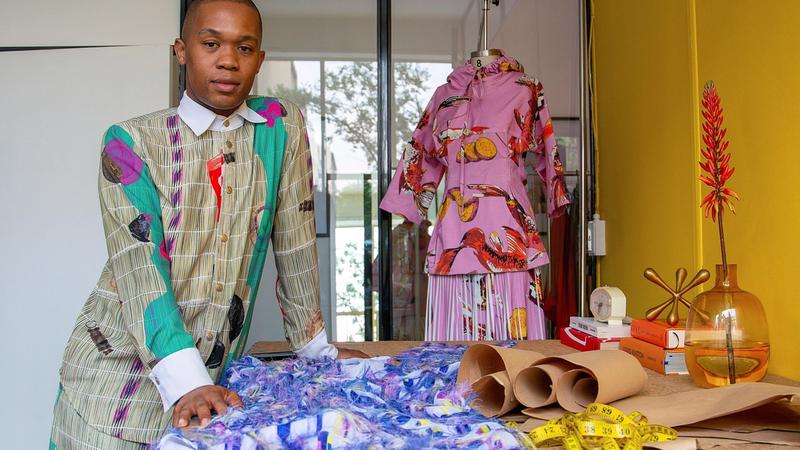
Photo Credit: Reuters
Thebe Magugu, the first African to win the LVMH Prize, views fashion as cultural documentation. His collections reference apartheid histories, gender issues, and South African politics.
Magugu’s use of African textiles and themes in sleek, contemporary designs reflects how traditional meets modern fashion without compromise. His brand is proof that African designers can lead global conversations through authentic storytelling.
Textiles As Cultural Memory
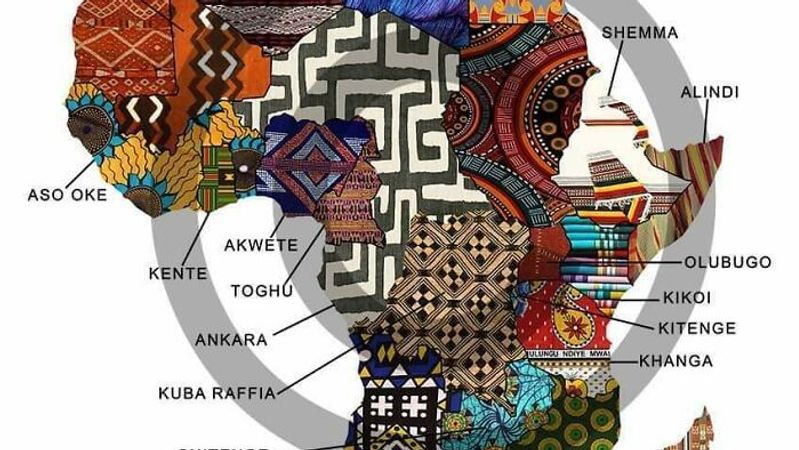
Photo Credit: Bored Panda/Pinterest
African textiles are living archives. They store history, encode identity, and teach lessons. Kente, bogolan (mud cloth), shweshwe, and barkcloth are not just fabrics. They are cultural texts.
Infusing these into modern designs ensures younger generations remain connected to their roots. It also reminds the world that Africa’s contribution to fashion is intellectual, not only aesthetic.
Battling Appropriation With Authentic Representation
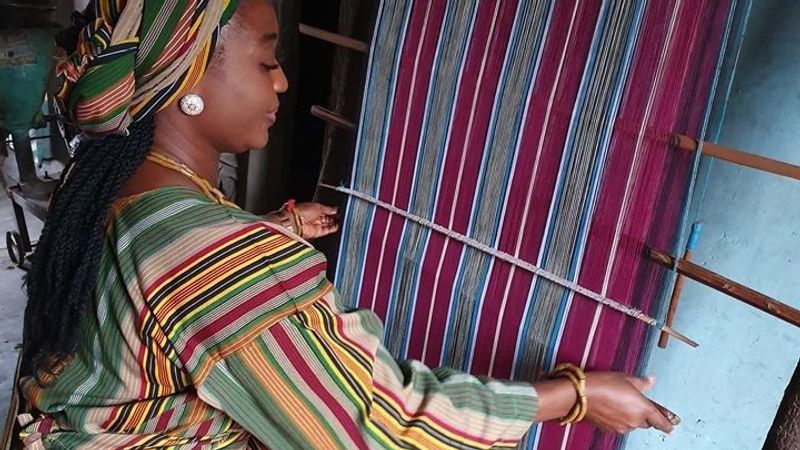
Photo Credit: Yoruba plug/Pinterest
Appropriation remains a pressing pain point. Global brands profit from African-inspired designs without recognising or compensating source communities. This creates cultural erasure.
The solution lies in visibility and ownership. Supporting African designers, documenting traditional techniques, and promoting cultural education all build safeguards. Showcase Africa continues to highlight these challenges, ensuring authenticity stays central.
The Rise Of Afro-Futurism In Fashion
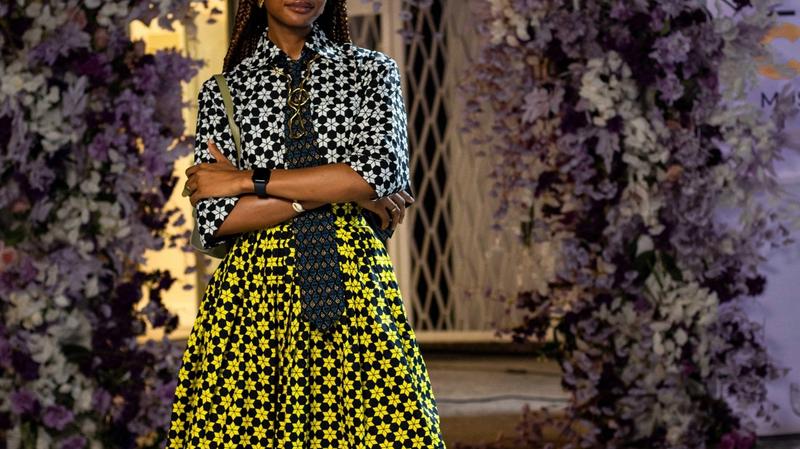
Photo Credit: THISDAY Style
Afro-futurism blends tradition with futuristic elements. It tells stories of African identity through imaginative, modern perspectives. In fashion, this appears as Maasai-inspired jewellery paired with metallic textiles or Ankara reimagined with tech fabrics. Afro-futurism shows that heritage is not static. It evolves, adapts, and thrives in global conversations. For young African designers, this creates space to innovate boldly.
How Social Media Amplifies African Voices
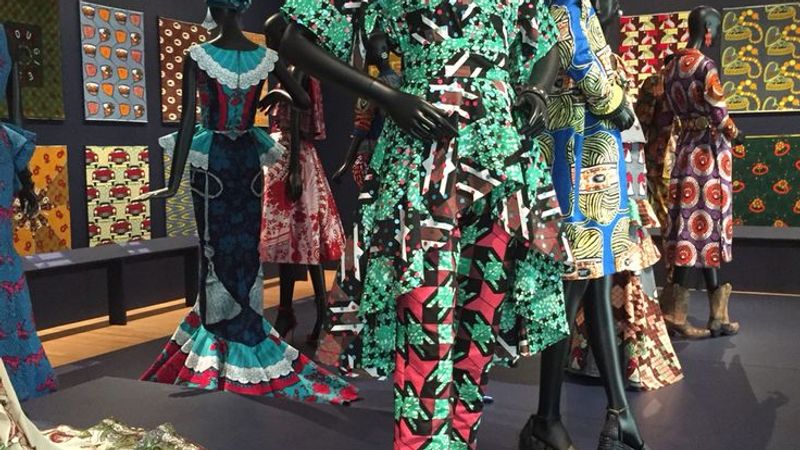
Photo Credit: Pinterest
Instagram, TikTok, and YouTube have democratised fashion. Young African creatives showcase their designs directly to global audiences. This visibility reduces reliance on Western gatekeepers. It empowers African designers to share their voices, secure partnerships, and build communities that respect tradition.
Fashion Weeks In Africa: Global Recognition
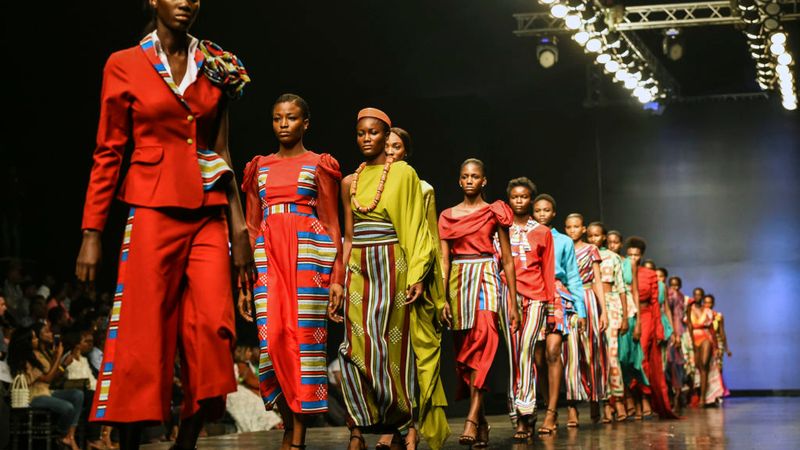
Photo Credit: BusinessDay/Pinterest
Events like Lagos Fashion Week, South African Fashion Week, and Dakar Fashion Week are crucial. They present Africa as a fashion hub. These platforms offer designers international visibility. They also allow African audiences to celebrate their heritage on runways rooted in their own soil.
The fusion of traditional and modern in African fashion is not just aesthetic. It is a statement of survival, creativity, and pride. It reminds the world that Africa is not a passive participant but an active contributor to global culture. Fashion becomes a tool for rewriting narratives and dismantling stereotypes.
Visit our website for more cultural updates and inspiring fashion features.