Hip-Hop in African Languages: When Rap Meets Indigenous Tongues

Titilayo Ifeoluwa
Click to view profile
When hip-hop landed in Africa during the 1980s, it arrived with Bronx swagger, English lyrics, and American beats. African artists, however, didn’t just copy the sound; they reimagined it. They infused rap with local rhythms, cultural stories, and indigenous languages, creating something distinctly their own. Today, African hip-hop thrives as one of the most linguistically inventive movements in global music, with artists rapping in Yoruba, Wolof, Zulu, Twi, and dozens of others.
The decision to rap in indigenous languages has grown into a powerful cultural statement. It pushes back against linguistic colonialism while anchoring the music in authenticity. For many artists, flowing in their mother tongue isn’t just about identity; it’s about transforming hip-hop into a celebration of heritage, proving that true innovation occurs when global genres intersect with local roots.
The Rise of Indigenous-Language Hip-Hop Across Africa
Photo Credit: Shanaya/ Pinterest
Hip-hop music reached Africa in the early 1980s, with Senegal becoming one of the first adopters in 1985. Rather than simply mimicking American rap, African artists immediately began experimenting with their own languages. Early Senegalese pioneers like M.C. Lida, M.C. Solaar, and Positive Black Soul mixed rap with Mbalax, a traditional West African pop music form, creating a distinctly Senegalese sound that resonated with local audiences while maintaining hip-hop's rebellious spirit.
Ghana's Twi Revolution: Sarkodie and Hiplife
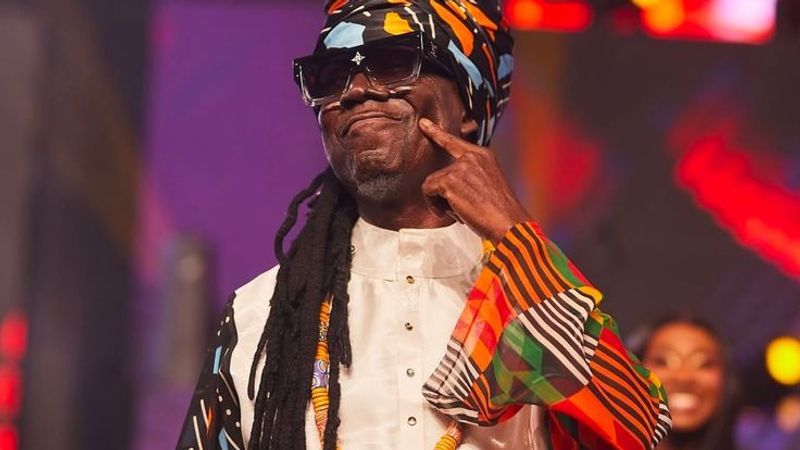
Photo Credit: The Ghana Insider/ Pinterest
No discussion of indigenous-language hip-hop is complete without addressing Ghana's hiplife movement, particularly the meteoric rise of Sarkodie. In 2007, Sarkodie faced a significant challenge: he wanted to be a great rapper, but his native tongue, Twi, was not widely understood, especially outside his hometown of Tema, Ghana. Rather than compromise by rapping exclusively in English, he committed to elevating Twi to international prominence. His gamble paid off spectacularly. Sarkodie is considered one of the major proponents of the Azonto genre and dance, and has been labeled a "multifaceted rapper" who frequently raps in Twi. His artistic philosophy centers on authenticity. As Sarkodie explained to Sirius XM, "As a poet, I wouldn't like to dilute my message," preferring to rap in Twi because "it sounds real".
Roots of Expression
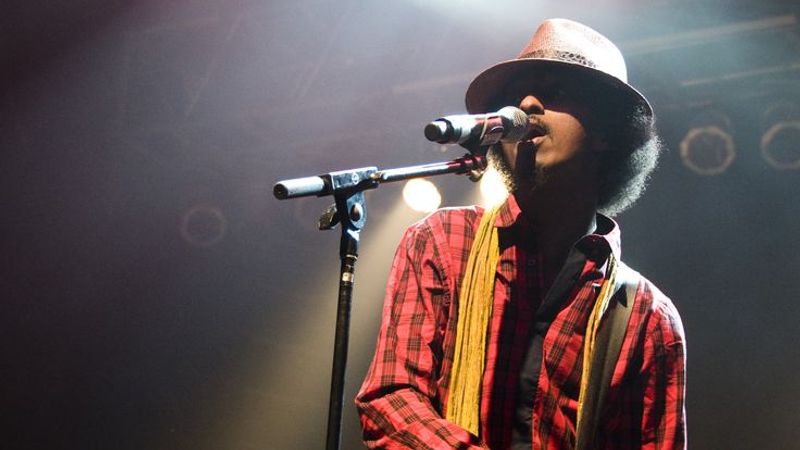
Photo Credit: Wikipedia Foundation/ Pinterest
African hip-hop’s roots stretch deep into the continent’s storytelling tradition. Before microphones and mixtapes, griots and drummers were the voices of rhythm and record-keeping. Today’s rappers carry that same spirit, translating social realities into rhymes. In countries like Nigeria, Ghana, and Senegal, hip-hop is both a rebellion and a revelation, serving as a voice for the streets and a tool for language revitalization.
The West African Soundscape
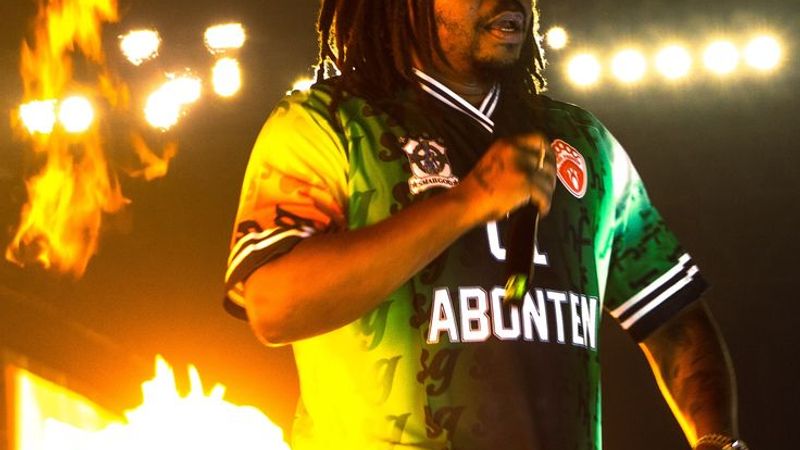
Photo Credit: Aspire shutter
In West Africa, rappers such as Olamide, Sarkodie, Falz, and Nasty C have transformed language into a cultural signature. They switch between Yoruba, Twi, and Pidgin effortlessly, giving listeners the freedom to feel, even if they don’t fully understand the words. Platforms like Spotify reveal how this local resonance translates into global streams. According to Spotify’s 2024 report, Gen Z listeners (ages 18–24) account for over 55% of all hip-hop streams in Nigeria, demonstrating how young Africans are driving the rise of authentic, language-driven rap.
Language as Power
Photo Credit: Renda/ Pinterest
By rapping in indigenous languages, artists are rewriting narratives around identity. It’s not just about flow, it’s about ownership. Using local tongues elevates cultural pride and keeps dying languages alive through modern media. As highlighted in “Vernacular Verses: Language, Identity and African Hip-Hop,” African rappers blend English, French, and native dialects to reflect the complex identity of African youth, fusing tradition with global rhythms.
Beyond Borders
Photo Credit: Pinterest
What makes this movement powerful is its ability to connect Africans across regions. Ghanaian Twi rappers can collaborate with Nigerian Yoruba MCs and Senegalese Wolof poets, proving that rhythm is a universal language, even when the words differ. Indigenous hip-hop is Africa’s lyrical passport, crossing borders without the need for translation.
Hip-hop in indigenous African languages represents more than a musical trend; it's a cultural movement that challenges linguistic hierarchies, preserves heritage, and reimagines what global music can sound like. From Sarkodie's Twi wordplay to Cassper Nyovest's motswako anthems, African artists have proven that authenticity doesn't require English translation. The message is clear: hip-hop speaks every language, and when it says in Twi, Setswana, Wolof, or Yoruba, it doesn't just preserve the past, it creates the future.
Visit Our Website to learn and explore more insights into African entertainment.