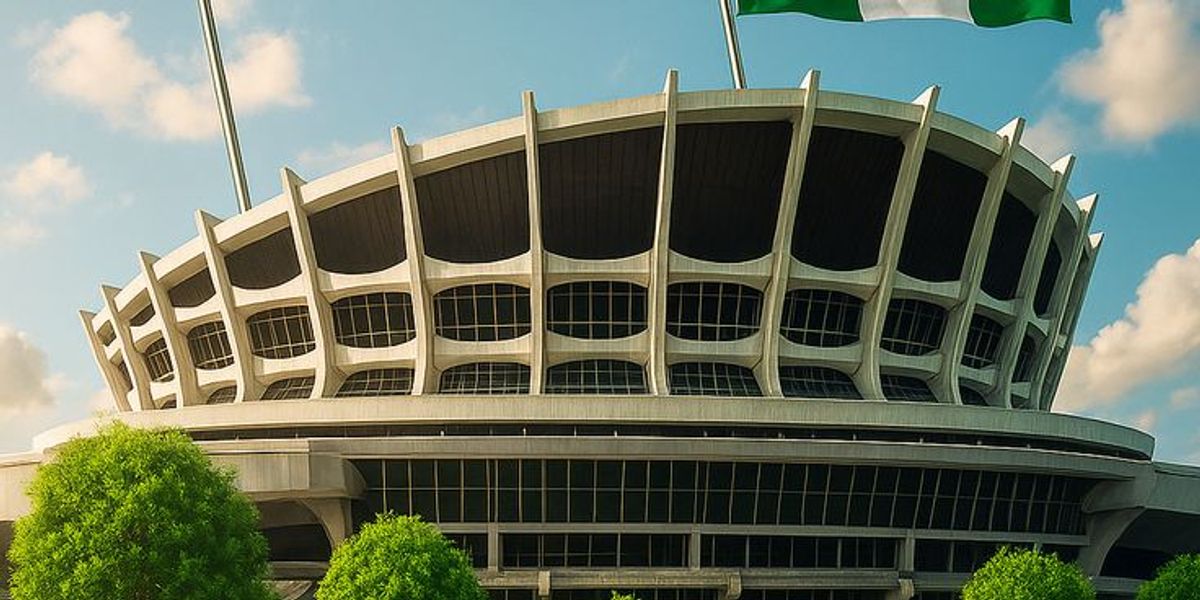
Heritage on Display: How Independence Day Showcases Nigeria’s Traditional Entertainment

Titilayo Ifeoluwa
Click to view profile
Every October 1st, Nigerians celebrate more than the moment the country gained freedom from colonial rule in 1960. Independence Day has become a stage where culture, tradition, and national pride are put on display, reminding citizens that the strength of Nigeria lies not only in its political story but also in its cultural identity. It is a day where the nation’s unity is celebrated through entertainment, art, and history brought to life.
This cultural showcase reflects Nigeria’s identity as a nation of many voices and traditions. With over 250 ethnic groups and more than 500 languages spoken across the country. Independence Day becomes a stage where this diversity is celebrated, uniting people under a shared national story.
Dancing Through History: The Role of Traditional Performances
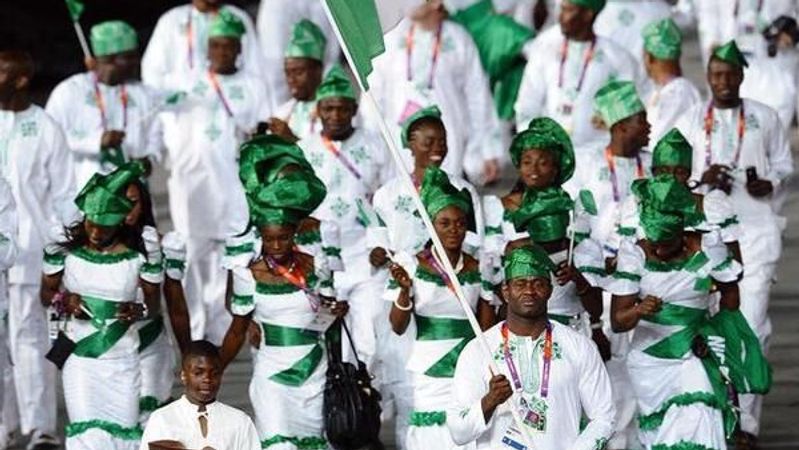
Photo Credit: Pinterest
From the Bata dance of the Yoruba to the energetic Atilogwu of the Igbo and the Swange of the Tiv, traditional dances dominate Independence Day celebrations. Cultural troupes take to stages across the country, retelling stories of heritage through movements passed down for generations. These performances are more than entertainment; they symbolize resilience and identity. Each dance, with its unique rhythm and costume, reminds Nigerians that despite ethnic differences, cultural art forms are shared treasures.
The Masquerades Take the Stage
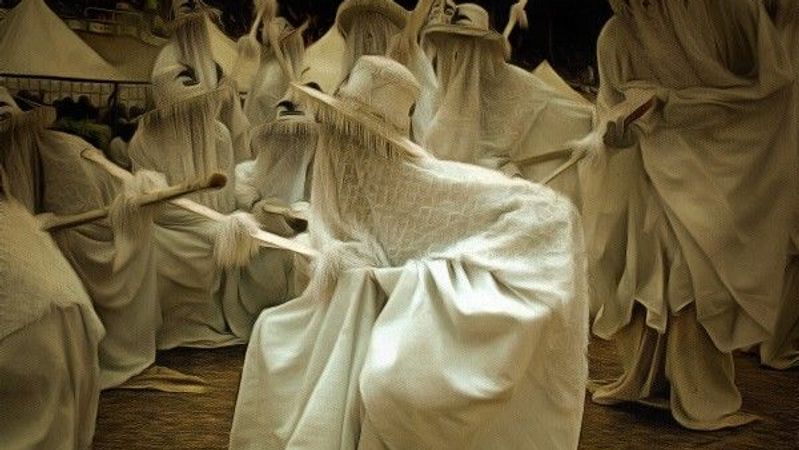
Photo Credit: Pinterest
Masquerades, or “spirits in costume,” play an important role in Nigerian heritage. On Independence Day, Egungun masquerades in Yoruba land, Mmanwu masquerades in Igboland, and other ancestral figures appear in parades and festivals. They are not just performers but carriers of history, spirituality, and moral lessons. By entertaining crowds, these masquerades also remind Nigerians of the values and wisdom embedded in their traditions. Their presence during Independence celebrations bridges ancestral pasts with the present nation.
Drums of Freedom: Music as a National Voice
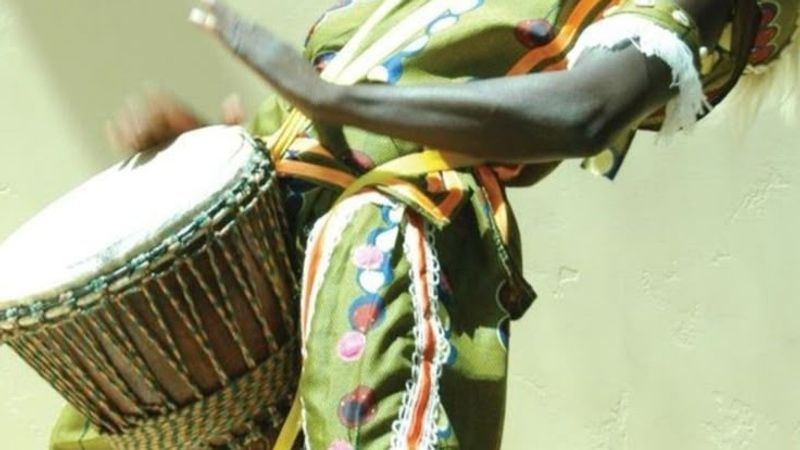
Photo Credit: Jennifer/ Pinterest
No Nigerian Independence Day celebration is complete without the beat of drums. Talking drums, gangan, dundun, and flutes set the rhythm of the festivities, while trumpets and gongs echo across streets. In many cultures, drums were historically used to pass messages during wars and ceremonies. Today, their sounds during October 1st performances symbolize freedom, unity, and pride. UNESCO has recognized Yoruba talking drums as an intangible cultural heritage, proving their global significance as both historical tools and entertainment.
Cultural Festivals as National Unity
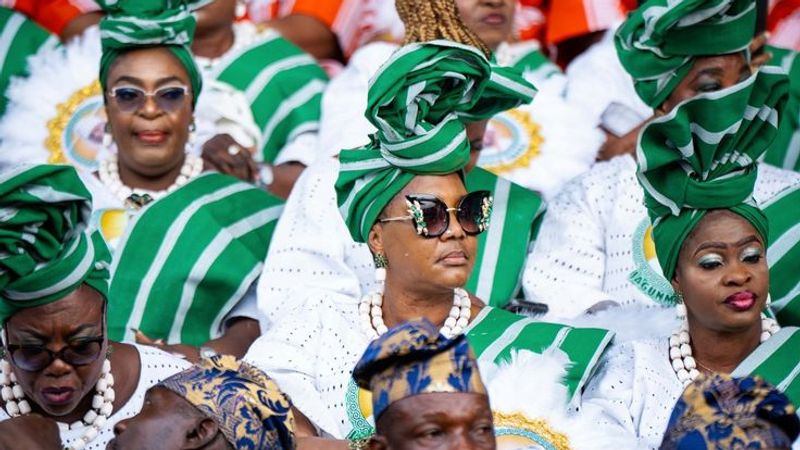
Photo Credit: Play house media/ Pinterest
Beyond the parades and displays, Independence Day also highlights Nigeria’s thriving festival culture. Events like the National Festival of Arts & Culture (NAFEST), organized by the National Council for Arts & Culture, bring together performers from across the states to celebrate the country’s heritage and foster . These festivals are more than entertainment; they are tools for national integration, reminding Nigerians that their strength lies in diversity.
A Pan-African Comparison
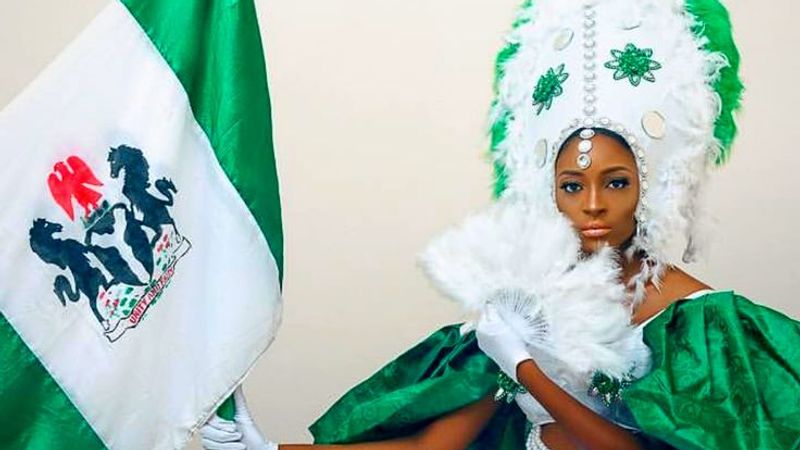
Photo Credit: Pinterest
While Nigeria’s Independence Day celebrations spotlight traditional dances, masquerades, and music, other African nations also use culture to mark their freedom milestones. In Ghana, the Kwame Nkrumah Memorial Park often hosts parades infused with drumming and storytelling, reflecting the country’s Ashanti and Ga traditions. Kenya, on the other hand, highlights military parades but still incorporates Maasai dances and cultural exhibitions. Compared to these nations, Nigeria’s Independence Day stands out for its sheer diversity, as performances from over 250 ethnic groups are often represented. This Pan-African lens shows that across the continent, entertainment rooted in tradition remains the heartbeat of freedom celebrations.
Fashion as National Identity
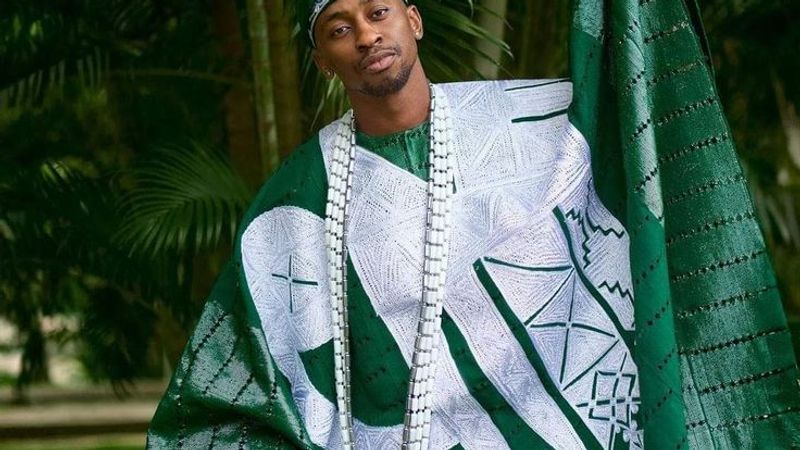
Photo Credit: Pinterest
Green and white dominate Nigeria’s Independence Day fashion. Beyond the colors of the flag, cultural outfits take center stage. From agbada and buba in the southwest to isiagu in the southeast and babariga in the north, Nigerians showcase their diversity through fashion. Headwraps, gele, and beads add elegance to the celebrations, making fashion an entertaining yet powerful display of cultural pride. These outfits reflect not just personal style but the collective identity of a people celebrating freedom.
The Economic Value of Culture
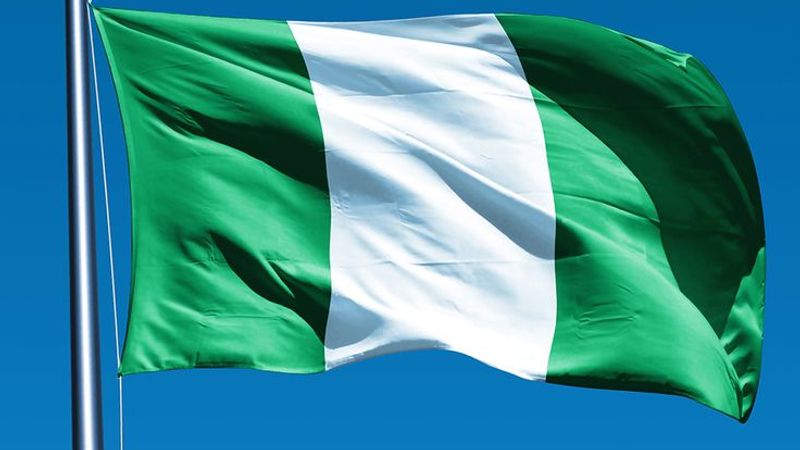
Photo Credit: Pinterest
While the artistic side of Independence Day is often emphasized, its economic potential cannot be overlooked. According to recent reports, the culture and tourism sector contributed almost 4% to Nigeria’s GDP in 2024. Festivals, performances, and cultural showcases attract both local and international audiences, transforming traditional entertainment into a catalyst for economic growth and global recognition.
Nigeria’s Independence Day is more than just a political anniversary. It is a cultural festival that brings heritage into the spotlight. Through traditional dances, masquerades, music, and fashion, Nigerians are reminded of the richness of their roots and the unity that comes from their diversity. Independence Day entertainment is not just a show; it is a cultural statement, celebrating the resilience of a people and the timeless beauty of their traditions.
Visit Our Website to learn and explore more insights into African entertainment.