Heritage Horizons: Exploring Kenya’s Cultural Treasures

Vera Ifechukwu
Click to view profile
The Call of History: A Journey Through Time
Stepping onto Kenya's soil is like hearing a whisper from the past, a feeling you get when you stand where ancient civilizations once thrived. Kenya is a living museum, and this guide is for the curious traveler seeking more than just a holiday. We'll help you uncover its most cherished heritage sites, offering practical tips and a clear path to connect with the past.
Many travelers have found it difficult to find reliable information on Kenya's cultural treasures, as most guides focus solely on safaris. We understand this struggle, and this article is your solution. Our mission at Showcase Africa is to share the true essence of Africa, a story of tradition, resilience, and beauty.
Top Heritage Sites in Kenya You Must Visit
Unearthing Coastal Wonders: Lamu Old Town

Photo Credit: TravelScape/ Freepik
Stepping onto Kenya's coast, you'll find Lamu Old Town, a UNESCO World Heritage site that whispers tales of old. As the oldest and best-preserved Swahili settlement in East Africa, Lamu feels like a journey back in time. There are no cars here, only donkeys navigating the narrow, winding streets. These lanes are lined with coral-stone houses, each with a magnificently carved door that tells a unique family story. This blend of Swahili, Arabic, Persian, and Indian architectural styles is a beautiful testament to the town's history as a major trade center.
Quick Facts about Lamu:
* A UNESCO World Heritage site since 2001.
* One of the few remaining living Swahili towns.
* The annual Lamu Cultural Festival is held in November.
* Transport is by foot or by donkey.
Fortified History: The Story of Fort Jesus
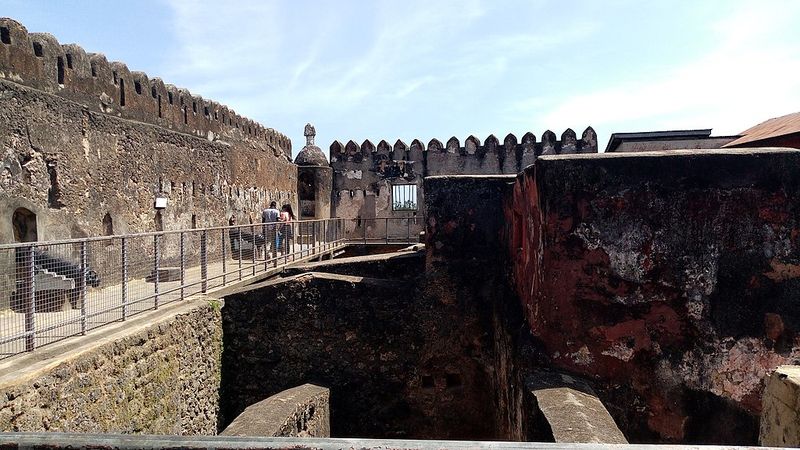
Photo Credit: Kensta87/Wikimedia Commons
Heading to Mombasa, our next stop is the mighty Fort Jesus, another iconic UNESCO site. Built by the Portuguese from 1593 to 1596, this fortress was a strategic stronghold designed to protect Mombasa's port and the valuable Indian Ocean trade route. Its impressive military architecture, crafted by Giovanni Battista Cairati, is said to be shaped like a man.
Fort Jesus has a dramatic history, having been captured and recaptured nine times between 1631 and 1875 by the Portuguese and Omani Arabs. As you walk through the grounds, you can see the layers of this tumultuous past, from the Portuguese bastions to the Omani battlements. The Omani House, built right over a Portuguese barracks, stands as a powerful symbol of this shift in power. The fort's museum further brings this story of colonial rivalry to life. A visit here is a journey through a fascinating and turbulent history that you can almost feel in the air
Key Features of Fort Jesus:
* UNESCO World Heritage site since 2011.
* Designed by Italian architect Giovanni Battista Cairati.
* A symbol of military architecture of the 16th century.
* Overlooks the Old Town of Mombasa.
The Sacred Forests: Mijikenda Kaya Forests
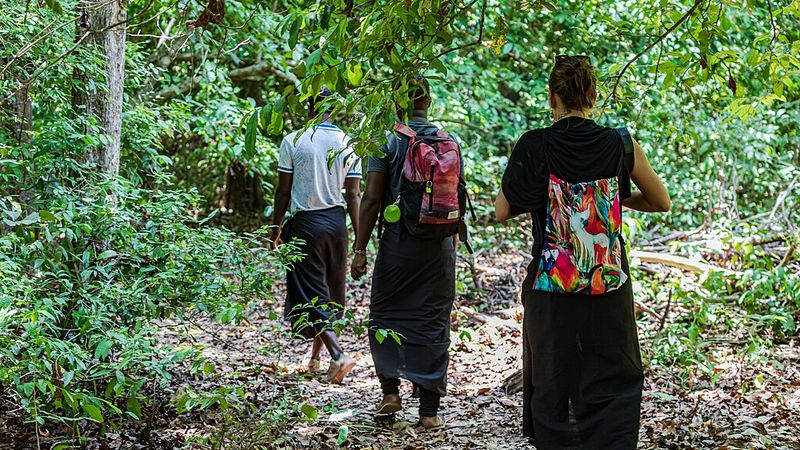
Photo Credit: Ninara/Wikimedia Commons
Heading inland, you'll discover a different kind of heritage at the Mijikenda Kaya Forests. These are not just forests, but a series of eleven sacred sites along the coast, a UNESCO World Heritage site. "Kaya" means "home" or "village," and these fortified forests were where the Mijikenda people settled from the 16th century to escape conflict.
More than just a refuge, these forests are the sacred burial grounds of the Mijikenda, protected by local traditions and elders. They are a living link to the ancestral past and hold immense spiritual significance. To visit, you must be accompanied by a guide who can explain the deep cultural meaning of the sites. The forests are also vital for biodiversity, showcasing a beautiful example of how indigenous cultures can protect their environment. Showcase Africa is committed to responsible tourism that honors and respects these sacred places.
Insights into Mijikenda Kaya Forests:
* A UNESCO World Heritage site since 2008.
* Comprises eleven separate forest locations.
* Maintained and protected by the Mijikenda community.
* A testament to cultural and natural preservation.
Ancient Mysteries: Thimlich Ohinga
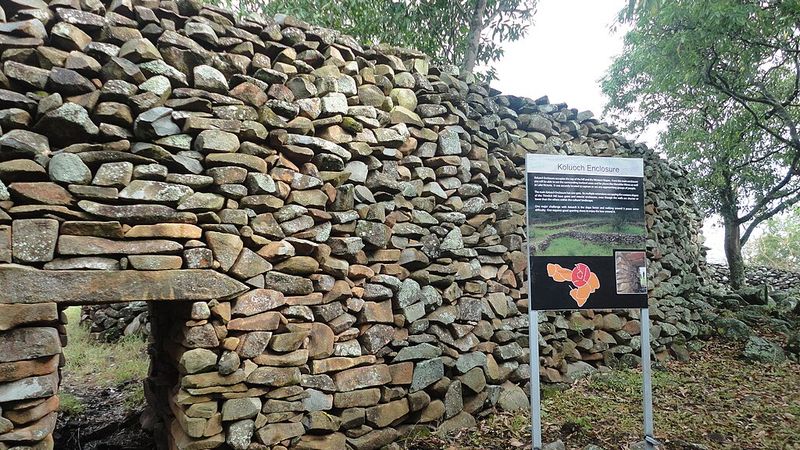
Photo Credit: Wycondi/Wikimedia Commons
Traveling west, our journey leads us to the heart of the Nyanza region and to Thimlich Ohinga, a remarkable UNESCO World Heritage site. This massive dry-stone-walled enclosure, whose name means "frightening dense forest," dates back to the 16th century CE. The walls, built without mortar and reaching up to four meters high, are a stunning example of early engineering and stonework.
Historians believe Thimlich Ohinga was used as a defensive fortification to protect communities and livestock from external threats. The complex is a fascinating look into the societal structure of the time, with different sections for residential areas and livestock pens. This site is a powerful testament to human resilience and ingenuity, and its ongoing archaeological discoveries continue to provide new insights into our shared history. It's a must-see destination that highlights the incredible diversity of Kenya's heritage.
Thimlich Ohinga Highlights:
A UNESCO World Heritage site since 2018.
A complex of dry-stone enclosures.
Dates back to the 16th century CE.
Showcases sophisticated ancient engineering.
The Gede Ruins: A Swahili Mystery
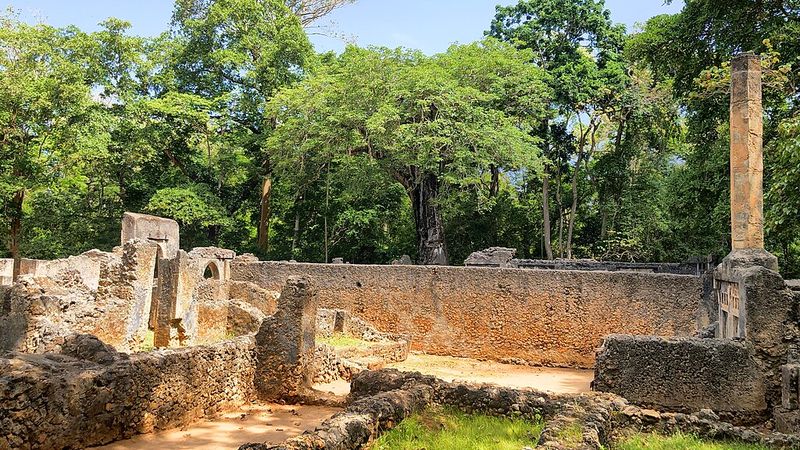
Photo Credit: LutzBruno/Wikimedia Commons
Next, explore the profound mystery of the Gede Ruins near Malindi. Once a thriving Swahili town that flourished between the 13th and 17th centuries, it was a major hub for the Indian Ocean trade. Archaeologists have found imported goods like Ming porcelain from China and glass beads from Venice, proving its vibrant international connections. However, in the 17th century, the town was mysteriously abandoned, and no one knows exactly why.
Walking through the ruins is like stepping into a maze of history. You can explore the remains of mosques, a grand palace, and coral-stone houses, all shrouded in a thick forest that adds to the site's magical atmosphere. Gede is a powerful testament to Swahili culture and a haunting reminder of a bygone era. To truly understand its captivating stories, we recommend exploring with one of Showcase Africa's local guides.
Gede Ruins in Focus:
* A major Swahili trading town.
* Flourished from the 13th to 17th centuries.
* Abandoned mysteriously in the 17th century.
* Features include a grand palace and mosques.
Siyu Fort: A Symbol of Swahili Resistance
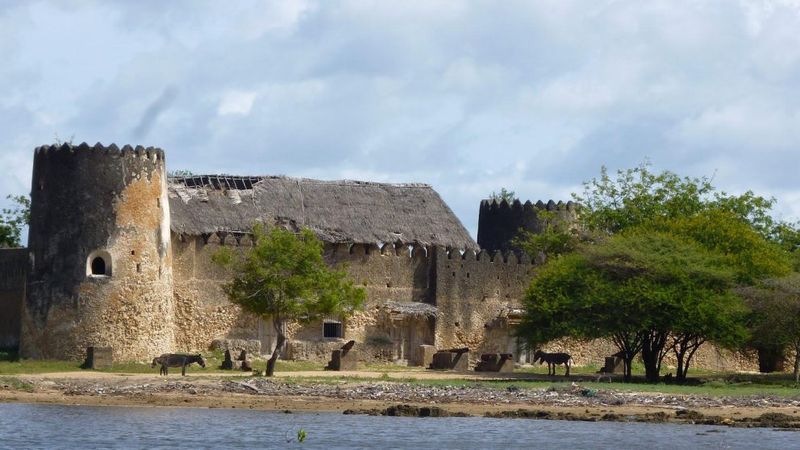
Photo Credit: National Museum of Kenya
While most coastal forts were built by foreign powers, Siyu Fort stands as a unique testament to local defiance. Constructed in the mid-19th century by the local Swahili people of Siyu under the leadership of Bwana Mataka, its purpose was to resist the encroaching Omani Arab rule and protect their independence.
Located on Pate Island, this striking coral stone fort is a powerful symbol of self-determination. Though not as well-known as Fort Jesus, its story of resilience, ancient cannons, and historical significance make it one of Kenya's most important heritage sites.
Siyu Fort's Significance:
* Built by local Swahili people in the 19th century.
* A symbol of resistance against the Omani Arabs.
* Located on the historic Pate Island.
* A testament to Swahili ingenuity and resilience.
Olorgesailie Prehistoric Site: The Cradle of Man
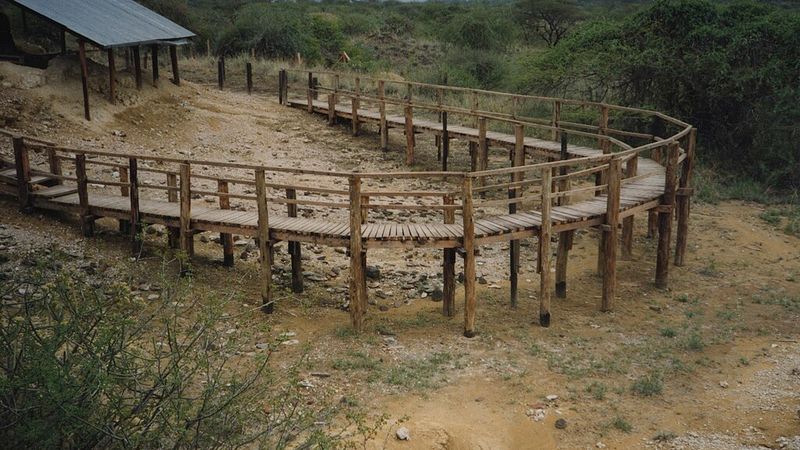
Photo Credit: Rossignol Benoît/Wikimedia Commons
For a journey to the very beginning of human history, visit Olorgesailie. Located in the Great Rift Valley, this prehistoric site is a global treasure with an immense collection of stone tools. These tools are over a million years old and were left by our early human ancestors, Homo erectus. Often called a "factory of stone tools," the sheer number of Acheulean hand-axes found here is staggering.
The site provides a powerful glimpse into a distant past. You can see the tools exactly as our ancestors left them, alongside evidence of hunting and butchery in what was once a lake basin. Olorgesailie offers a profound connection to our ancient roots and a unique insight into human evolution.
Olorgesailie's Ancient Past:
* A major prehistoric Acheulean site.
* Holds tools over one million years old.
* Gives insight into the lives of Homo erectus.
* Considered a "factory of stone tools."
Vasco da Gama Pillar: A Marker of Exploration
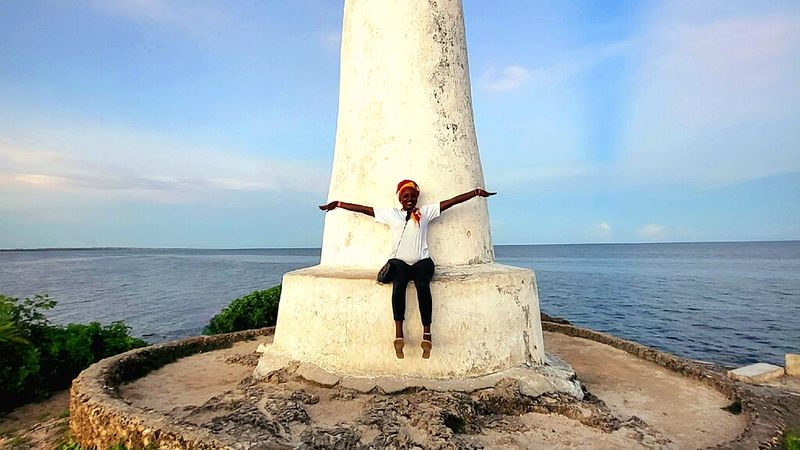
Photo Credit: Ichumar/Wikimedia Commons
The Vasco da Gama Pillar stands majestically in Malindi. It overlooks the Indian Ocean. This ancient monument was erected in 1498. The Portuguese explorer Vasco da Gama put it up. This was during his famous voyage to India. The pillar and its cross were symbols. They marked the route for future Portuguese sailors. The pillar is one of the oldest European monuments in Africa. It is a powerful symbol of the Age of Discovery.
The pillar commemorates a time of change. It marks the beginning of European trade in the region. The Sultan of Malindi had welcomed da Gama. He provided a pilot for the journey to India. This act of hospitality was crucial. It shaped the future of East Africa. The pillar is a simple structure. But it holds immense historical weight. It represents the intersection of different worlds. Showcase Africa recognizes its importance. We see it as a key landmark in global history.
The Vasco da Gama Pillar:
* Erected in 1498 by Vasco da Gama.
* Marks the Age of Discovery in East Africa.
* Symbolizes the start of European trade.
* A very old European monument in the region.
Takwa ruins: abandoned on Manda Island
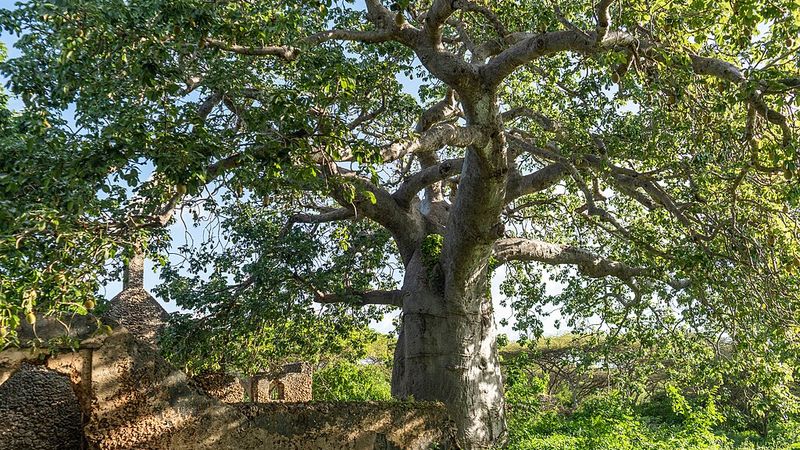
Photo Credit: Nina R/Wikimedia Commons
The Takwa Ruins are found on Manda Island. They are a short boat ride from Lamu. These ruins are the remains of a 15th-century Swahili town. Takwa was a prosperous trading port. But it too was abandoned. Its decline was caused by two main factors. The first was the salination of fresh water. The second was an ongoing conflict with the people of nearby Pate. The town was finally abandoned in the 17th century.
Today, the ruins are a serene place. They are surrounded by mangroves and baobab trees. The remains of a magnificent mosque are still visible. It features a unique pillar. It is believed to mark a holy burial site. Takwa is a place for quiet reflection. It shows how even thriving communities can disappear. It is a testament to the fragile nature of history. A visit here feels like a true adventure.
Takwa Ruins Facts:
* A 15th-century Swahili trading town.
* Abandoned due to water salination and conflict.
* Located on Manda Island.
* A site for quiet reflection and a historical mystery.
Planning Your Cultural Expedition

Photo Credit: Prostock-studio/Freepik
Planning a cultural trip needs careful thought. You need to consider logistics. When visiting cultural sites, a few things are key. Respect is the most important. Always ask for permission before taking photos. Dress modestly, especially in religious areas. Follow the guidance of local guides. This helps preserve these special places. It also ensures you have a meaningful experience. Learn a few Swahili phrases. "Jambo" (hello) and "Asante" (thank you) go a long way. This shows your appreciation.
Ready to plan your unforgettable cultural journey? For more in-depth guides, expert tips, and travel inspiration, visit our website.