Heartbeat of the Continent: Africa’s Living Traditions, Music, and Art

Peace Eghe
Click to view profile
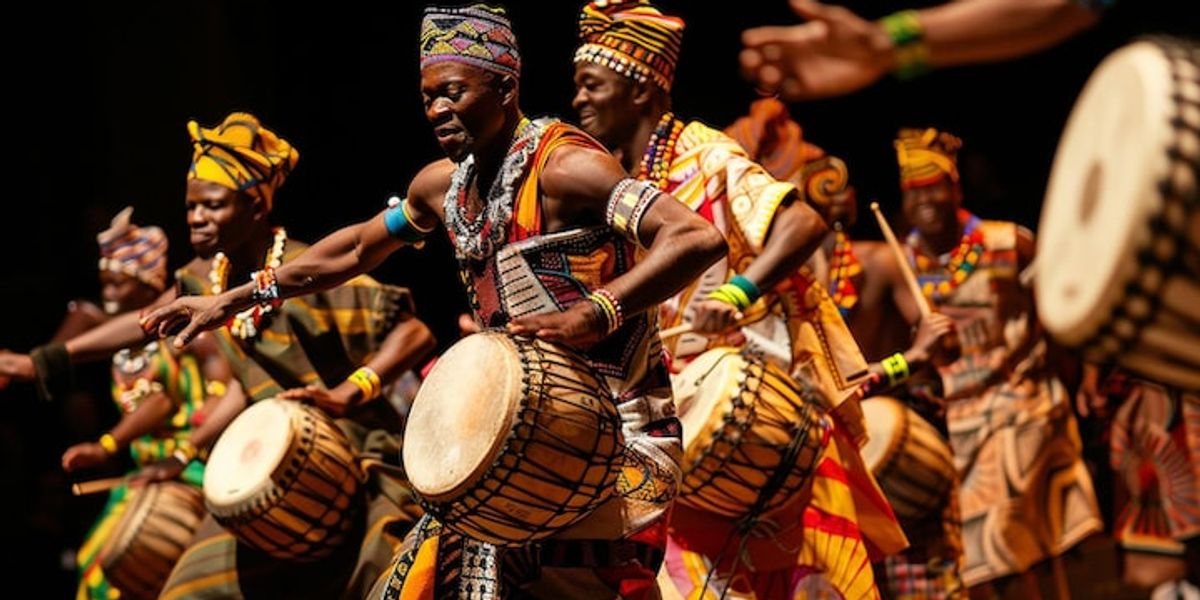
In the rhythmic heart of Africa lies a tapestry of living traditions, music, and art that pulses with life, memory, and identity. From the sun-drenched savannahs of the Sahel to the lush forests of Central Africa, and the spice-scented coasts of the Indian Ocean, Heartbeat of the Continent: Africa’s Living Traditions, Music, and Art captures how African Culture thrives through Traditional Music, African Art, and vibrant Cultural Heritage.
These traditions are not relics of the past but dynamic, evolving expressions that bind generations, communities, and lands. Each beat, color, carving, and dance move tells a story of birth, struggle, joy, and belonging. Traditional African instruments reflect the rich heritage, spirituality, and communal values of their ancestors. Meanwhile, African Art Forms, whether through masks, textiles, or murals, are visual languages that convey mythologies, morals, and memories.
Traditional African Music
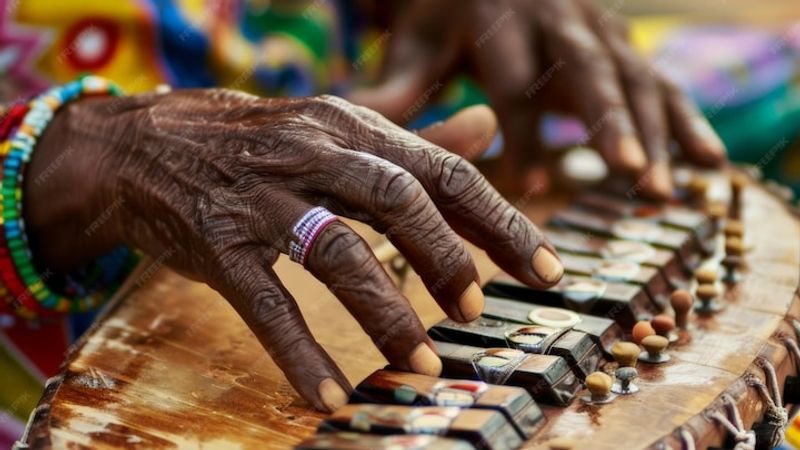
Photo Credit: Freepik
Traditional African music is a cornerstone of Africa’s cultural heritage and identity. Across Sub-Saharan African Culture, musical genres such as Juju in Nigeria, Mbalax in Senegal, Chimurenga in Zimbabwe, and Taarab along the East African coast show how African Music Genres blend rhythm, storytelling, and ritual. Instruments such as the talking drum, balafon, kora, ngoni, udu drum, and Agidigbo carry deep cultural significance. These musical styles accompany dance, ceremony, and everyday life, creating what many describe as the Rhythms of Africa.
African Art and Craftsmanship
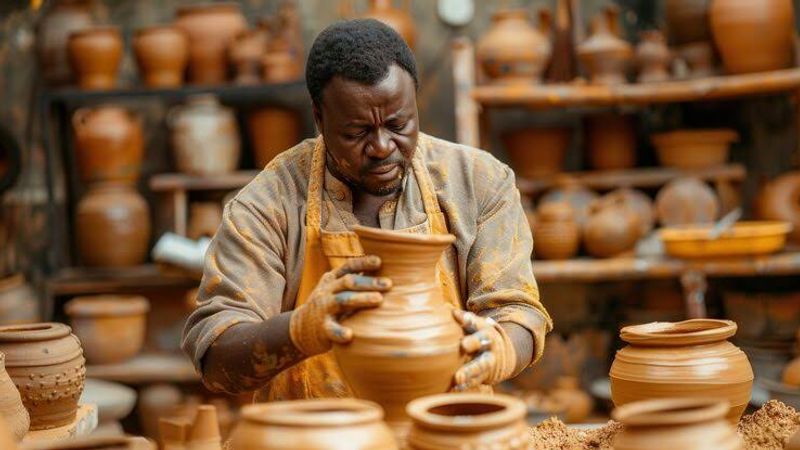
Photo Credit: Freepik
African art is alive in its craftsmanship, symbolism, and diverse forms. From masks used in sacred masquerades to textiles adorned with geometric patterns, chevrons, spirals, or stripes, every shape carries meaning. Wood carving, metalwork, beadwork, and pottery - especially when used for ritual, life-cycle events, or status indicators - show how African Art Forms are not merely decorative but deeply woven into society’s belief systems. Artisans use natural pigments, often sourced locally, to shape aesthetic traditions that differ by region yet share an emotional depth that speaks to the soulful essence of African Art.
Cultural Festivals and Celebrations
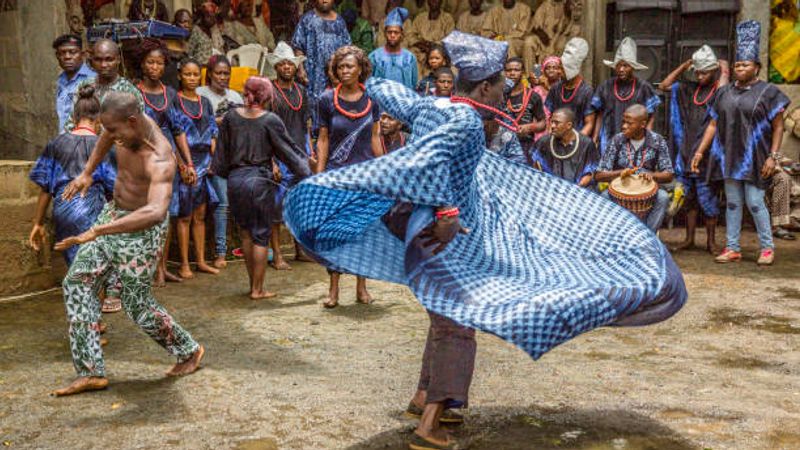
Photo Credit: Getty Image
Cultural festivals in Africa serve as vibrant stages for music, dance, art, and tradition to converge. Examples include FESTIMA in Burkina Faso, a mask and arts festival that celebrates multiple ethnic groups and their traditions. In Nigeria, festivals such as Osun-Osogbo, Gèlèdé, Ikeji, and Odun-Osu unite communities to honor river goddesses, ancestors, harvests, or historical legacies. These celebrations reinforce Cultural Heritage and African Traditions, although modern influences sometimes shape how they are performed or attended.
African Dance Styles

Photo Credit: Freepik
Dance in Africa is more than movement; it is identity made visible. Styles such as Adumu, performed by the Maasai people in East Africa, showcase jumping, stamina, and ritual passage. In West Africa, dances like Etighi and Shoki in Nigeria pair music with expressive hip and leg movements, often performed in social gatherings or festivals. From Gumboot in Southern Africa to the fluid steps of South Africa’s Amapiano dance style, African Dance Styles reflect societal values, resistance, joy, and community. These dance styles transcend borders, being shared through migration, media, and youth culture.
Traditional African Instruments

Photo Credit: Freepik
The physical tools that shape Soulful African Music are as varied as Africa’s landscapes. The udu drum from Nigeria, a clay vessel that produces deep, resonant tones, connects percussion to spirituality. The Agidigbo, also known as the large thumb piano, is used by the Yoruba in Nigeria to create melodic rhythms with plucked metal tongues. Meanwhile, wind instruments like the atenteben flute from Ghana move between the sacred and the contemporary. String instruments like the kora or the ngoni carry oral history.
Geographic Music Variations: North, East, West, Southern Africa
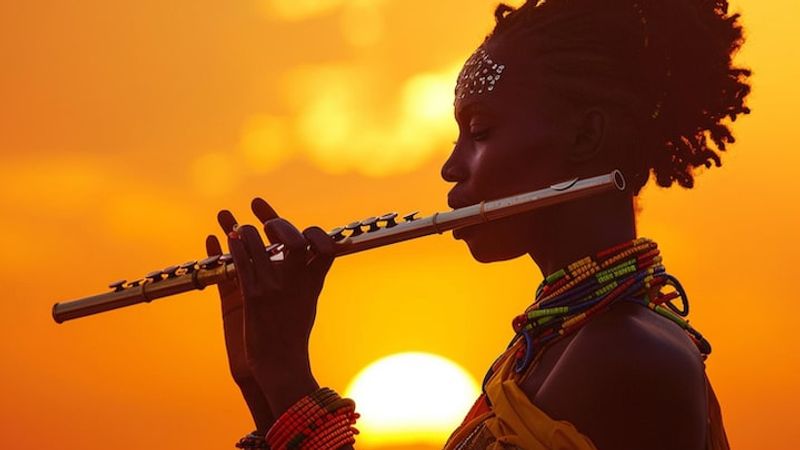
Photo Credit: Freepik
Africa’s diversity in culture, music, and art is strongly expressed in its regional differences. In North African Traditions, musical scales, calligraphy, mosaics, and the use of Arab, Berber, and Moorish motifs define art and music in countries such as Morocco and Egypt. In East African Art, dance, woodcarving, and textile arts often fuse African, Arab, and Indian influences, especially on the Swahili coast. In West African Music, rhythmic complexity, polyrhythms, the talking drum, and praise-song traditions are prominent. Southern African Heritage showcases the fusion of indigenous dance, percussion instruments, and contemporary genres like Amapiano or Gumboot, which have evolved in response to urban life and youth culture.
Threats and Preservation of Heritage
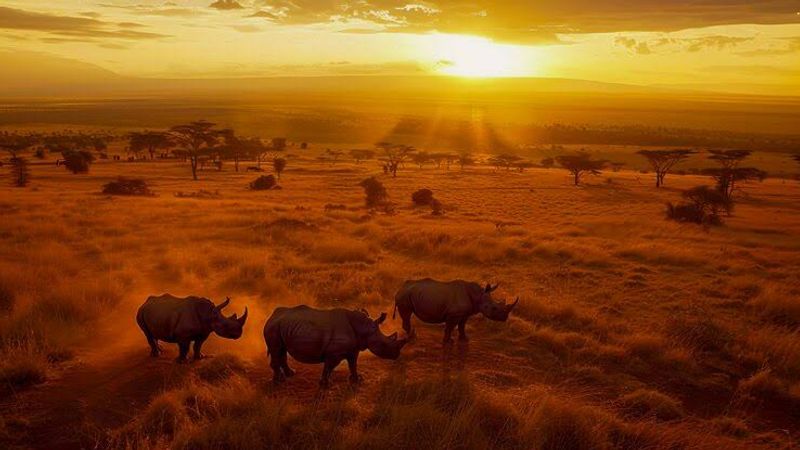
Photo Credit: Freepik
Despite the vibrancy of African Culture, many traditions face threats from urbanization, globalization, climate change, and the loss of native languages. Young people may sometimes prioritize imported popular culture over ancestral rhythms or art forms. Physical art forms may deteriorate due to a lack of material knowledge or environmental damage. However, numerous communities, NGOs, governments, and institutions are working to preserve Cultural Heritage through festivals, arts education, documentation, and digital archiving.
Visit Our Website to learn and explore more insights into African entertainment.