Hair as Heritage: Braids, Dreads, and the Politics of African Beauty

Titilayo Ifeoluwa
Click to view profile
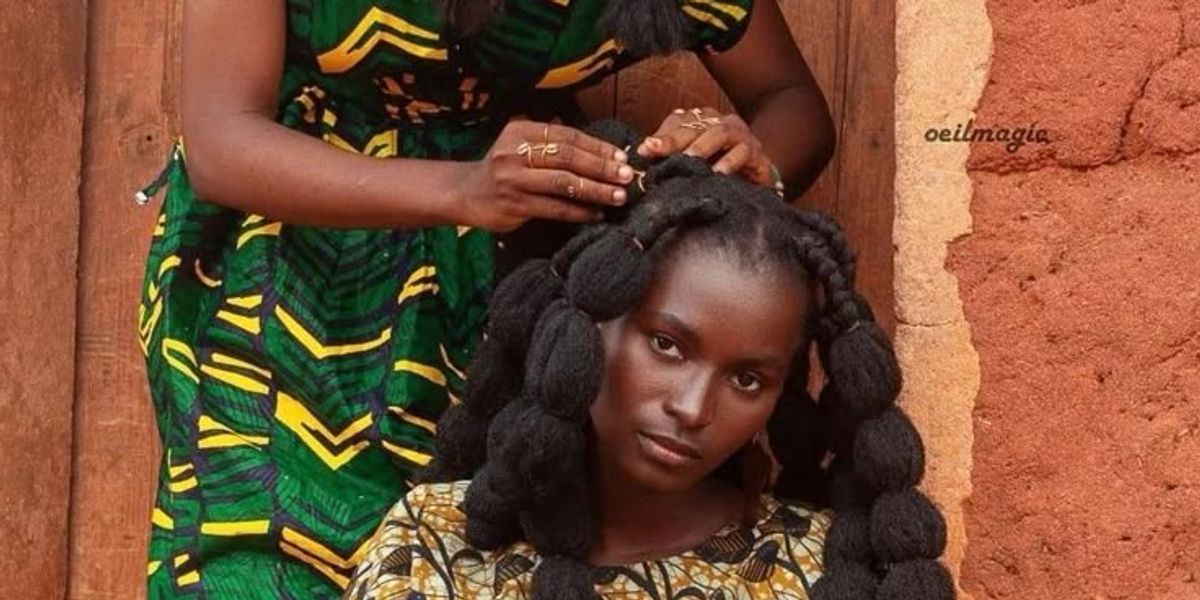
Hair in African culture has never been just about looks it is a language, a crown, and a powerful symbol of identity. Across the continent, hairstyles tell stories of belonging, spirituality, and resistance, passed down through centuries of creativity and cultural pride. Whether braided into intricate patterns or worn in free-flowing locks, African hair has always carried meaning far beyond fashion.
Today, these traditions meet modern struggles and global attention. African hair, once stigmatized under colonial and Western beauty standards, now stands at the center of conversations about heritage, politics, and self-expression. From village braiding sessions to international fashion runways, the story of African hair continues to evolve, blending history with the fight for recognition and respect.
Braids: A Map of Identity
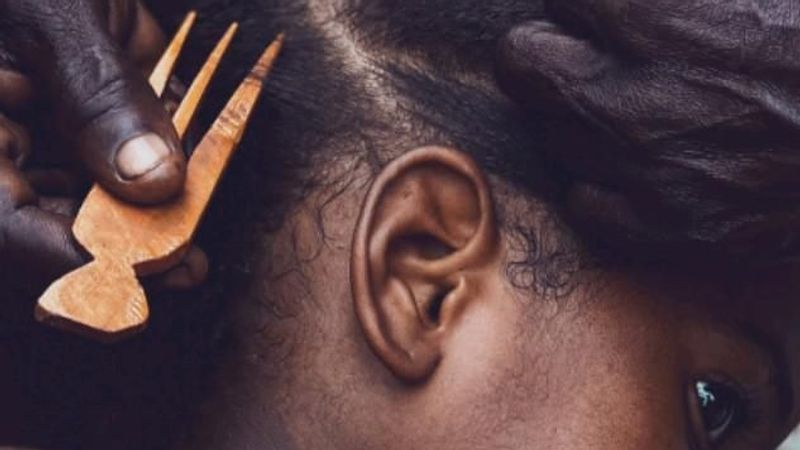
Photo Credit: Rilwan popoola / Pinterest
Braiding has been practiced in Africa for thousands of years. Archaeological findings in the Sahara show evidence of braided styles as early as 3500 BCE. Braids were often used to signify tribe, age, social status, or marital standing. For example, Fulani braids, with their signature central parting and beads, trace cultural lineage back to the Fulani people of West Africa. Today, braids are not only protective styles but also global fashion statements, keeping Africa’s heritage alive in every weave and knot.
Dreadlocks: Spirituality and Resistance
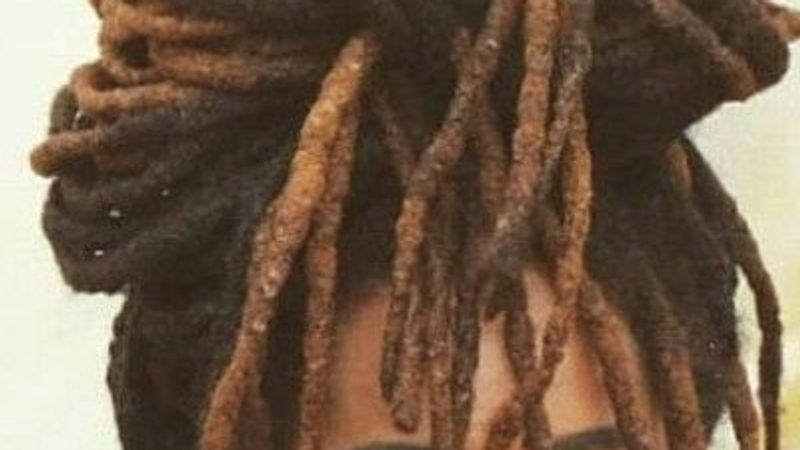
Photo Credit: Pinterest
For the Maasai warriors in Kenya, dreadlocks symbolize strength, courage, and a sense of community. In Rastafarian culture, dreadlocks are rooted in biblical symbolism and resistance to Eurocentric beauty ideals. Despite this cultural significance, discrimination against locs remains widespread. A 2019 study in the U.S. by Dove found that Black women were 1.5 times more likely to be sent home from work because of their hair compared to others. This shows how a hairstyle deeply tied to heritage can still be politicized in modern society. Today, dreadlocks continue to challenge mainstream standards of beauty, reclaiming space for African identity.
Hair Politics: Discrimination and Resistance
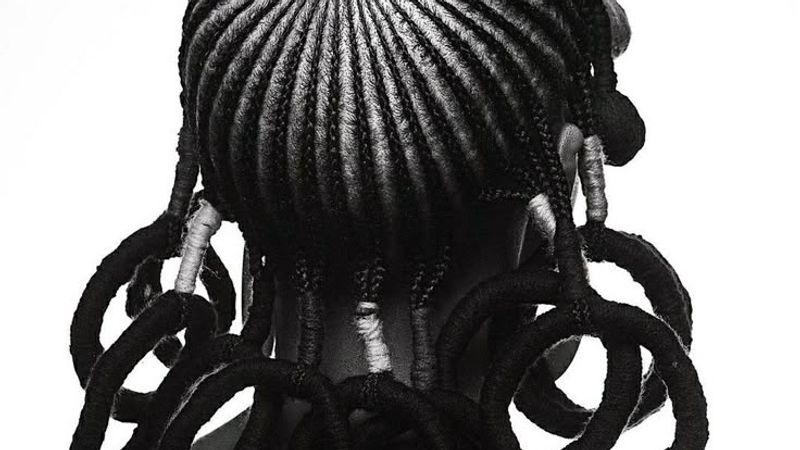
Photo Credit: Topojijo/ Pinterest
African hair has long been subject to political battles. During colonial times, natural hair was stigmatized, with straightened hair promoted as the “civilized” look. That stigma persists in schools and workplaces today. According to a 2023 report by the World Economic Forum, nearly 25% of Black women in the U.S. feel pressured to change their natural hair for job interviews. This struggle has inspired movements such as the #NaturalHairMovement, which reclaims African beauty standards and challenges systemic bias.
Rituals and Ceremonies: Hair as a Sacred Act
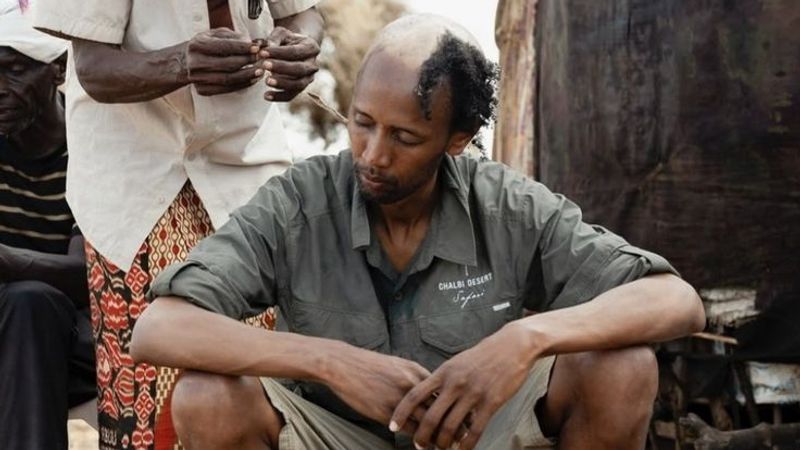
Photo Credit: CON STA/Pinterest
In many African communities, hair is part of ritual life. Among the Yoruba, brides-to-be traditionally have their hair braided into elaborate styles before marriage, symbolizing beauty and readiness. In Ghana, newborns often have their hair shaved during naming ceremonies, signifying purity and a new beginning. These traditions highlight how hair connects life’s milestones to culture and spirituality.
Community and Bonding: The Braiding Circle
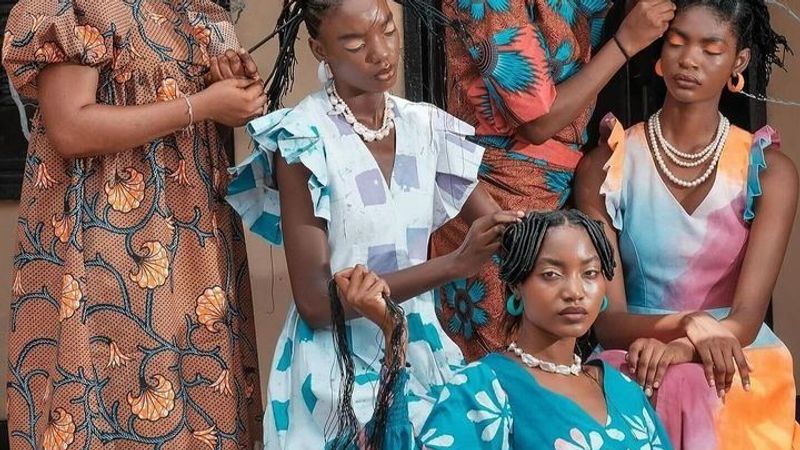
Photo Credit: Pinterest
Beyond aesthetics, braiding is an act of togetherness. Mothers, sisters, and friends often gather in circles to braid one another’s hair, sharing stories and wisdom in the process. This practice, common in villages across West Africa, turns hairstyling into a living classroom where culture and identity are passed down through generations.
Proverbs and Wisdom About Hair
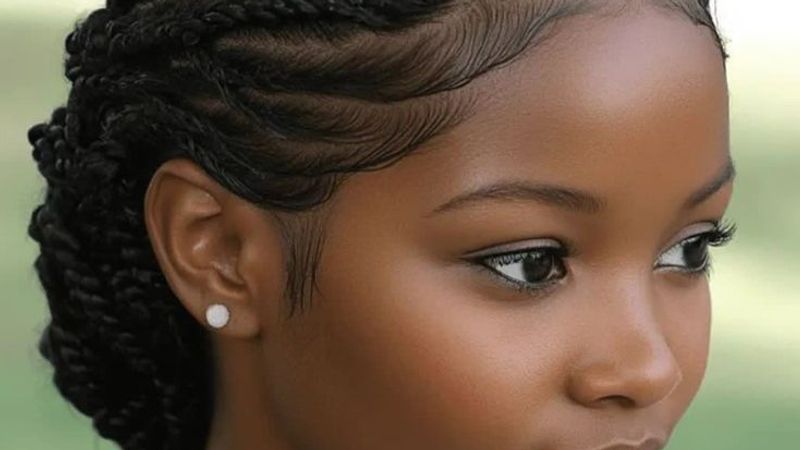
Photo Credit: Elda M Joaquim/ Pinterest
African oral traditions are rich with sayings about hair. An Akan proverb from Ghana says, “The beauty of a woman lies in her hair.” Among the Yoruba, hair is seen as a crown, a divine symbol of dignity. These proverbs reflect the deep respect attached to hair and the understanding that it embodies more than just physical beauty; it holds cultural and spiritual essence.
Hair as Heritage and History
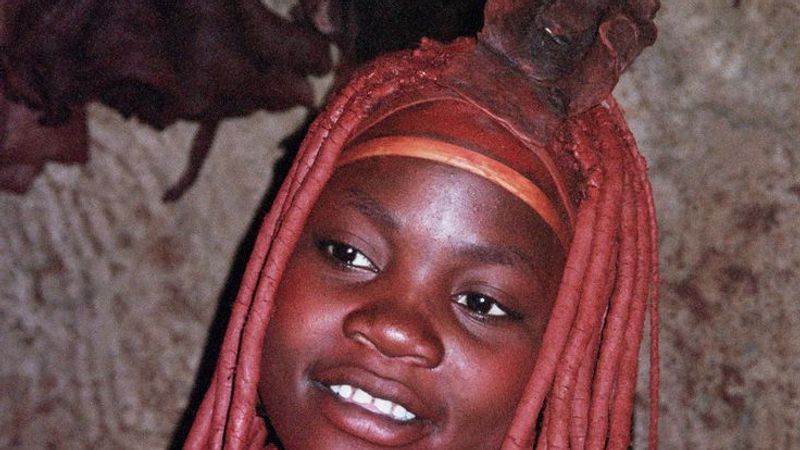
Photo Credit: Pinterest
In the pre-colonial era, hair served as a diary of African life. The Himba people of Namibia, for instance, coat their hair with red ochre and butterfat to symbolize fertility and womanhood. In Senegal, Fulani braids adorned with beads and cowries became part of their cultural identity. During slavery in the Americas, enslaved Africans braided maps and escape routes into their hair, turning hairstyles into tools of survival and resistance.
Types of African Hairstyles
African hair culture is vast, with each style carrying its own meaning and purpose. Some of the most common include:
Cornrows
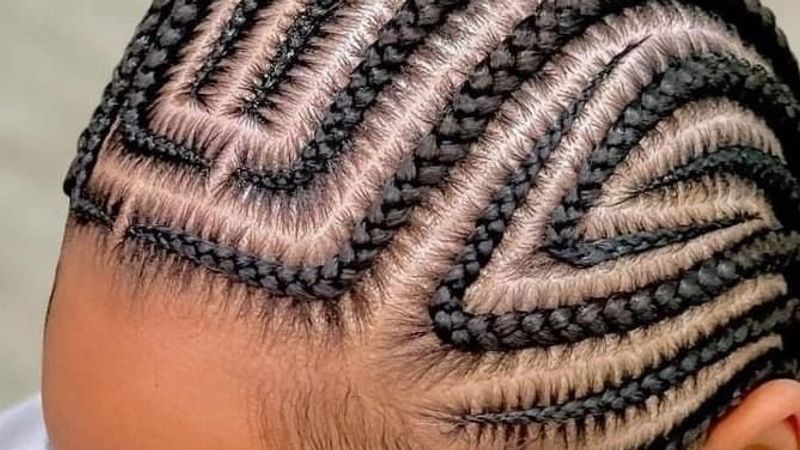
Photo Credit: Pinterest
Tightly braided close to the scalp, often in straight or geometric patterns, symbolizing order and creativity.
Bantu Knots
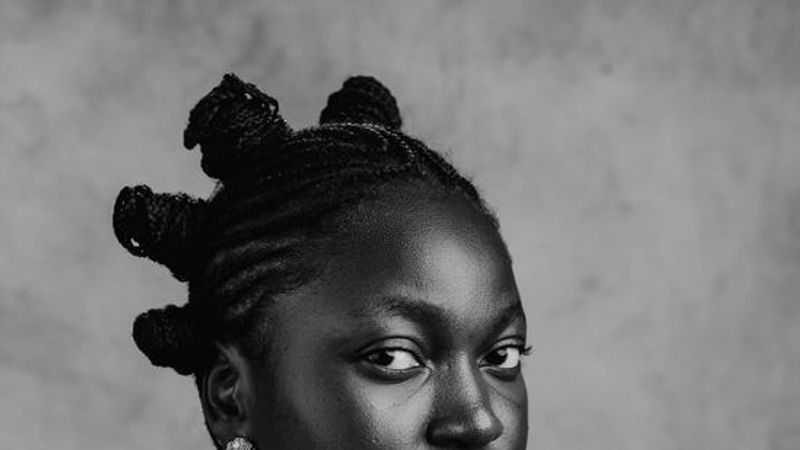
Photo Credit: ANJOLAE AROLAKE/ Pinterest
Coiled sections of hair twisted into knots, rooted in Southern Africa, represent heritage and serve as a symbol of protection.
Twists
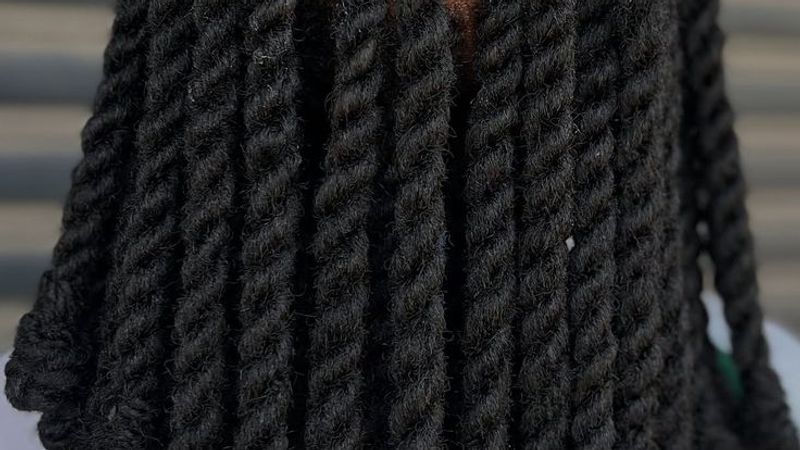
Photo Credit: Olutciemeraude/ Pinterest
Two strands of hair wrapped around each other are a popular choice for both men and women, offering a protective yet stylish option.
Fulani Braids
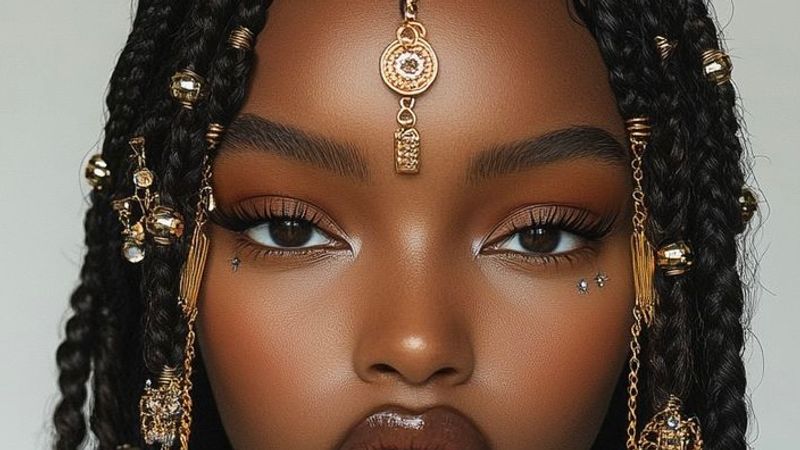
Photo Credit: Art Azat/Pinterest
Braids decorated with beads, shells, or jewelry, tracing their origins to the Fulani people of West Africa.
Afro
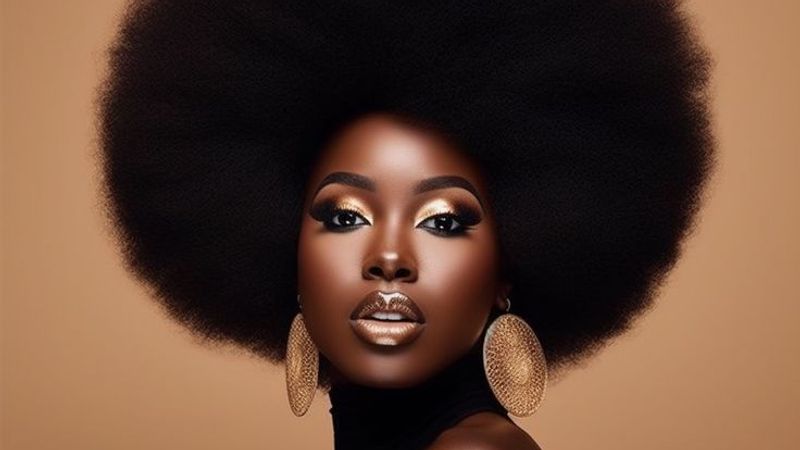
Photo Credit: Unusual Designs/ Pinterest
Natural hair grown out in its whole, rounded shape, celebrated in the 1960s and 70s as a political statement of Black pride.
This variety shows how African hair is not just one style but a cultural canvas, where every braid, knot, and coil tells a story of history, beauty, and resilience.
Hair as Spiritual Power
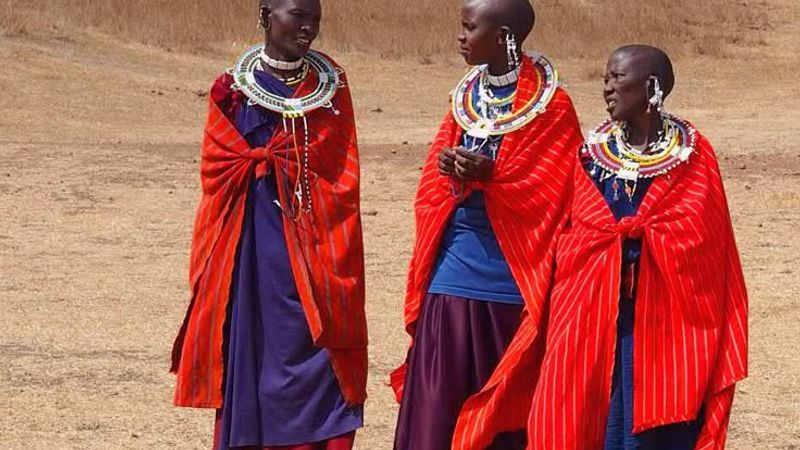
Photo Credit: Iconjane/ Pinterest
African hair also holds spiritual significance. In many traditions, hair is seen as a medium between the human and spiritual worlds. The Yoruba believe that the head (Ori) is the seat of destiny and divine connection, making hair sacred. Similarly, the Maasai shaved their hair during rites of passage, marking transitions from childhood to warriorhood.
Spiritual Meanings of African Hairstyles
- Protection: Certain braids and coverings shielded wearers from evil spirits.
- Fertility & Womanhood: Intricate plaits marked a girl’s readiness for marriage.
- Warriorhood & Strength: Locs or shaved designs symbolized bravery in battle.
- Resistance & Freedom: Dreadlocks represented defiance during anti-colonial struggles.
- Divine Connection: Ritual hairstyles connected individuals to gods, ancestors, or guides
Diaspora Influence: From Africa to the World
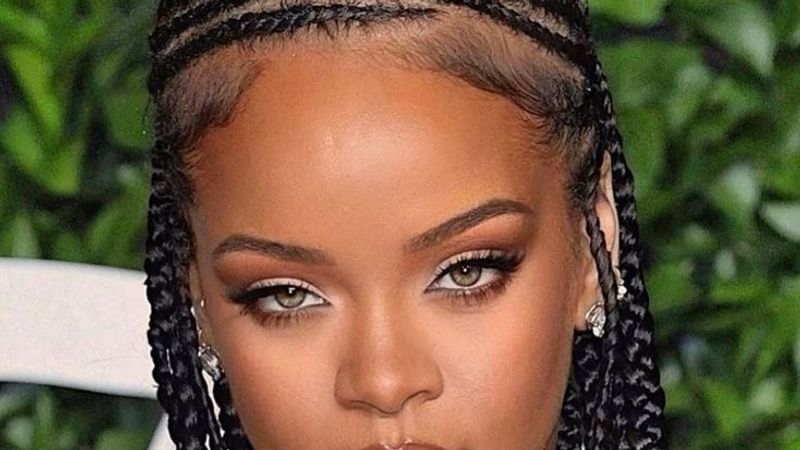
Photo Credit: Pinterest
African hair culture has gone global. Styles like box braids, twists, and cornrows are now seen on international runways and red carpets. Celebrities such as Beyoncé and Lupita Nyong’o have proudly showcased African-inspired hairstyles, amplifying their cultural significance. However, this global embrace also sparks debate about cultural appropriation when non-Black people wear these styles without acknowledging their African roots. At the same time, Black people continue to face discrimination for the same looks.
Modern Renaissance of Natural Hair
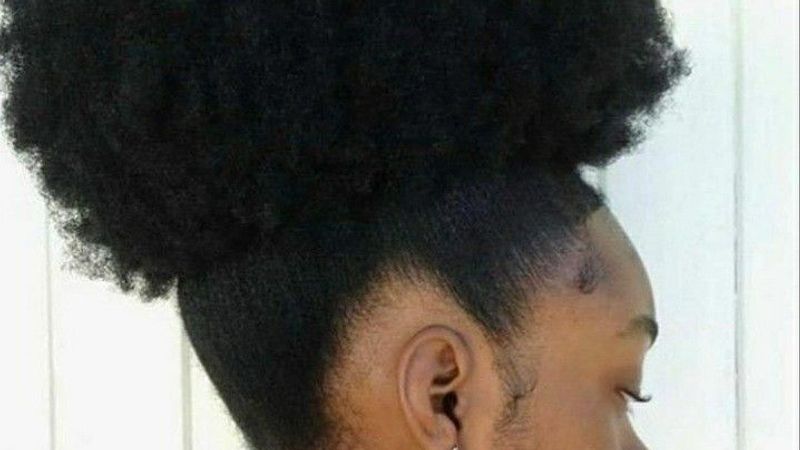
Photo Credit: Dorlannie/ Pinterest
The 21st century has seen a powerful return to natural hair. Across Africa and the diaspora, young people are embracing afros, twists, and locs as statements of pride. The global natural hair care market was valued at about US$10.17 billion in 2024 and is projected to reach nearly US$17 billion by 2030, as more consumers demand products that respect and nourish natural texture. In the Middle East & Africa region alone, natural hair care generated nearly US$980 million in 2024, proving the growing influence of African beauty standards worldwide. Social media has amplified these voices, making natural hair a trend that is here to stay.
The Future of African Hair Culture
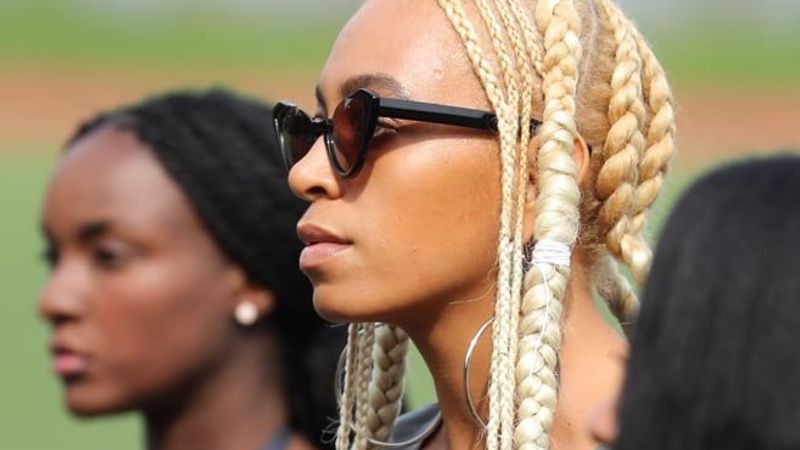
Photo Credit: Pinterest
The African beauty and personal care market is projected to grow significantly in the coming years, with a CAGR of approximately 8.51%, expanding by over $8 billion between 2024 and 2028. This growth is fueled by Africa’s young and growing population, which is becoming more urbanized and more connected. Social media has further fueled this growth, with natural hair influencers and Afrocentric brands reshaping beauty narratives. Younger generations are mixing tradition with creativity, experimenting with colorful braids, innovative loc styles, and protective hairstyles that celebrate identity while embracing modern trends.
African hair is more than fashion; it is history, spirituality, resistance, and pride. From the braids that carried escape routes to the locs that symbolized freedom, hair has always been central to African identity. In celebrating it, Africans are not just embracing style but honoring ancestors and carrying traditions into the future.
Visit Our Website to learn more and explore Africa.